

Apple Expands Wallet Keys, Moves iPhone Duo Dates


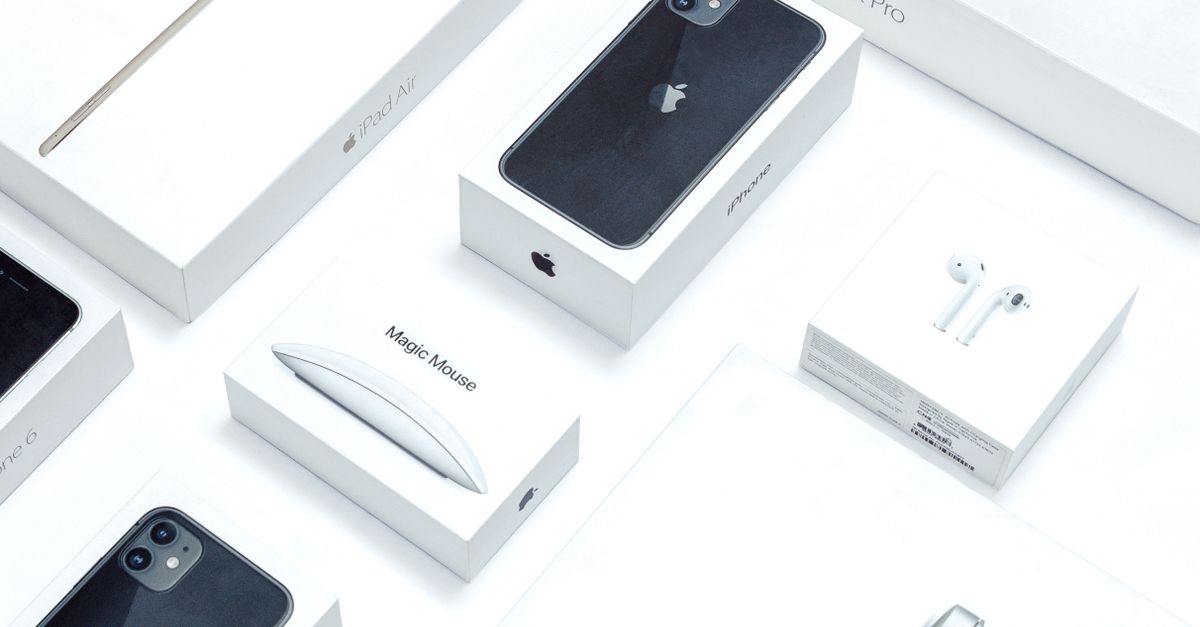
Photo by Federico Orlandi on Pexels
Apple just widened its Wallet CarKey support to three GM brands, nudged iPhone Duo deliveries forward, and dropped a hint about a touchscreen MacBook. The moves tighten Apple’s grip on daily tech interactions and set up fresh friction points.
GM announced that Cadillac, Chevrolet, and GMC models will soon accept Apple Wallet car keys. The rollout follows Apple’s earlier pilot with a handful of luxury makes. By embedding digital keys in iOS, Apple sidesteps traditional key fobs and forces automakers to expose their APIs. The three brands cover a large swath of the U.S. market, from compact crossovers to full‑size trucks. For developers, the change means a new set of entitlement requests and testing on multiple vehicle platforms. For drivers, the promise is a single tap to unlock and start, no matter the make.
The CarKey expansion feels like a natural next step after Apple’s earlier integration with BMW and Hyundai. Those early adopters proved the concept could survive real‑world use, but adoption remained niche. GM’s involvement pushes the feature into mainstream lanes. Cadillac’s premium positioning gives the tech a high‑visibility launch, while Chevrolet’s volume sales test scalability. GMC’s trucks add a rugged use case that Apple hasn’t explored much. If the rollout stalls, it will expose Apple’s reliance on automakers’ willingness to share low‑level vehicle controls.
The timing aligns with a surge in iPhone Duo pre‑orders. The phone opened for pre‑order last Friday and instantly hit a back‑order queue that stretches into late January 2027. Within days, a subset of customers reported that their order status shifted to an earlier delivery window. The shift suggests Apple is pulling inventory forward to meet demand spikes. It also hints at a supply‑chain adjustment that could affect other upcoming devices.
iPhone Duo’s back‑order length is unusual for a flagship launch. Apple typically balances supply to avoid long waits, especially for a device that shares a chassis with the iPhone 18 Pro. The iPhone 18 Pro hit stores about a month ago and has been selling at a steady pace. Duo’s demand may be driven by its dual‑camera system and a price point that undercuts the Pro. The early‑date adjustments could be a tactical move to keep the Duo’s momentum alive while the Pro continues to dominate the high‑end segment.
The delivery shuffle also raises questions about Apple’s inventory forecasting. If the company can accelerate shipments for some buyers, it may have excess units in reserve. That surplus could be redirected to markets where the Duo is still scarce, or it could be used to test new carrier bundles. Conversely, the move could strain logistics if the earlier dates crowd shipping capacity, potentially delaying other products.
Apple Watch Series 12 landed with a noticeable performance bump and a refined display. The upgrade feels like a solid iteration for power users who rely on the watch for health metrics and quick interactions. However, the new watch drops a feature that many third‑party fitness apps, including WHOOP, have come to expect: the ability to stream raw heart‑rate data in real time.
The missing WHOOP stream feels like a regression for users who built their daily routines around granular data. WHOOP’s integration allowed athletes to capture continuous metrics without pulling out a phone. Without that pipeline, users must rely on the watch’s native metrics, which are less detailed. The omission may be a deliberate move to push developers toward Apple’s own health ecosystem, but it also risks alienating a niche of power users.
For most owners, the Series 12 still feels like a worthwhile upgrade. The faster processor trims lag in watchOS, and the always‑on display stays bright in direct sunlight. The new health sensors improve blood‑oxygen tracking, and the battery life holds steady despite the added screen brightness. Still, the loss of WHOOP support is a tangible downside that will shape purchasing decisions for fitness‑focused consumers.
Apple’s first touchscreen MacBook is set to appear as early as November 6, following an October 27 announcement. After more than a decade of resisting touch displays on its laptop line, the company finally embraces the form factor that competitors have long offered. The device will likely ship with a revised chassis to accommodate the panel, and early leaks suggest a modest increase in thickness.
The touchscreen MacBook could redefine how developers approach macOS apps. Touch input would open the door to hybrid UI designs that blend desktop precision with tablet fluidity. Apple may also bundle iPadOS‑style gestures into macOS, blurring the line between the two platforms. For power users, the change could mean rethinking workflow shortcuts that rely on keyboard‑only navigation.
Critics worry that the addition of a touch layer will compromise the MacBook’s hallmark thinness and battery life. Apple’s previous attempts at integrating touch—most notably the Touch Bar—received mixed reviews, with many developers calling it a gimmick. If the new screen adds noticeable weight, it could deter the very professionals who prize the MacBook’s portability.
The upcoming release also raises questions about pricing strategy. Apple has not disclosed a cost, but the inclusion of a high‑resolution touch panel suggests a premium tier. Early adopters will likely pay a significant premium, and the market response will inform whether Apple expands touch to other Mac lines.
What to watch next: Apple will roll out CarKey support to GM models through a software update later this quarter. Keep an eye on the rollout timeline and any reported glitches in key synchronization. The iPhone Duo delivery dates will continue to shift; track Apple’s supply‑chain statements for signs of broader inventory moves. Finally, the touchscreen MacBook’s official specs and pricing will emerge at the November 6 launch event. Those details will reveal whether Apple is betting on a new form factor to revive MacBook sales or simply adding a niche option for developers.
Related Articles

Apple's Fall Rollout Redefines Phones, Macs, and Photos
iOS 27 revamps Shared Albums, Samsung supplies iPhone Duo’s foldable screen, and Apple lines up a touchscreen MacBook Pro and OLED iPad mini for October.
Apple juggles lawsuits, new chips
Apple faces an Epic Games lawsuit claim, rolls out an M6 MacBook Pro, expands iCloud+, debuts a Vision Pro horror film, and opens iPhone Duo pre‑orders.
Apple accelerates entry‑level MacBook Pro redesign and retires
Apple pushes a new M7 MacBook Pro to entry level, phases out the original Watch Edition, and tightens App Store policies for iOS 7 and pricing.