

Smartphone and Car Tech Tweaks Reveal Gaps in Integration

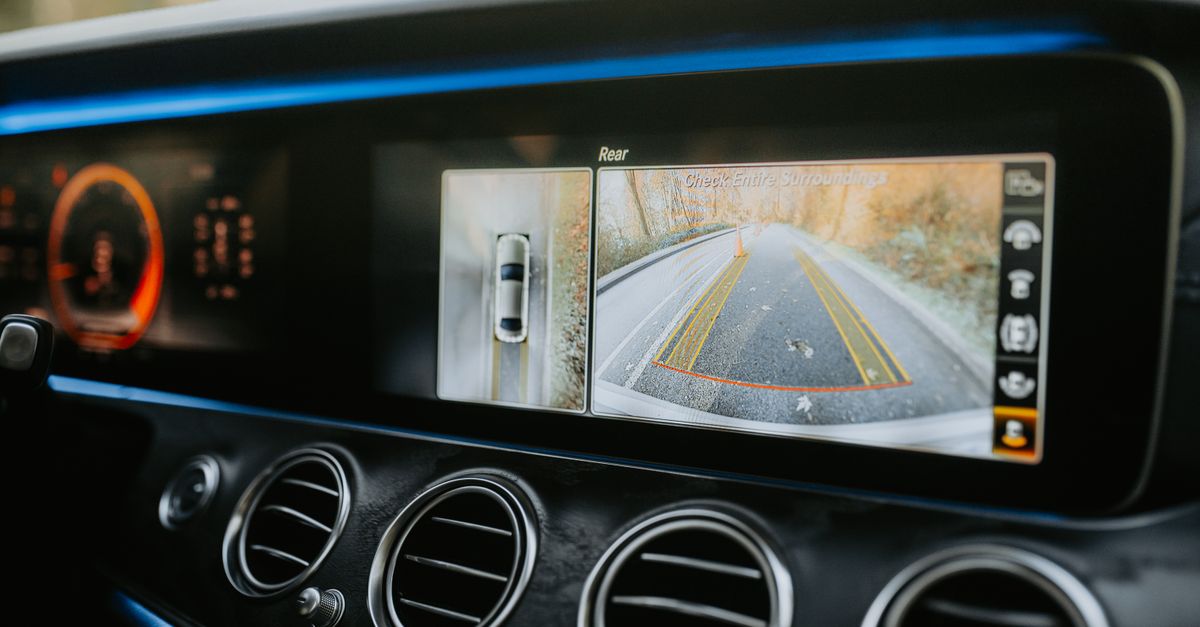
Photo by Luke Miller on Pexels
Aftermarket backup cameras: utility versus integration
A bolt‑on backup camera can turn a blind‑spot into a clear view, but it rarely matches a factory‑installed unit. Engadget notes that aftermarket cameras might not work as well as integrated ones, yet they remain a useful upgrade for older cars. The typical kit includes a small lens, a wiring harness, and a display that plugs into the existing infotainment screen.
Installation demands routing power from the reverse‑light circuit and feeding video to the head unit. The video signal is analog, so latency can creep in, especially on cheap models. Users report washed‑out images in low light, a problem factory lenses avoid with built‑in infrared LEDs. The trade‑off is cost: a bolt‑on kit costs a fraction of a dealer‑installed retrofit, and the DIY route avoids dealer labor.
iPhone data‑saving tweaks: stretching limited plans
When a cellular plan caps gigabytes, every megabyte counts. Engadget lists easy tweaks that shave off data without sacrificing core functionality. Turning off background app refresh stops apps from pulling updates when the screen is off. Disabling high‑resolution video streaming on Safari forces a lower bitrate, which can halve data usage for long videos.
Another lever is Wi‑Fi Assist, which automatically switches to cellular when Wi‑Fi performance dips. Turning it off keeps the phone on Wi‑Fi until the user explicitly authorizes a cellular hop. The Settings app also lets users see per‑app consumption, making it possible to quarantine data‑hungry services. Together, these steps can extend a limited plan by 20‑30 percent, according to Engadget’s calculations.
Samsung’s dual app‑locking features: granular privacy
Samsung phones ship with two distinct mechanisms for protecting sensitive apps. The first lets users lock chosen apps behind a PIN, pattern, or biometric. Once enabled, the selected apps disappear from the recent‑apps list and require authentication before opening.
The second feature, called Secure Folder, isolates a single app or a collection of apps from the rest of the system. When active, only the designated app remains accessible; all other apps are hidden. This mode is useful for users who need a one‑app workspace, such as a banking app, without exposing contacts, messages, or photos.
Both tools sit under the Settings → Biometrics and security menu. Engadget points out that the lock‑selected‑apps option is lightweight, while Secure Folder creates a sandboxed environment that encrypts data at rest. The dual approach lets users choose the privacy level that matches their threat model.
Android Auto on foldable phones: the Gemini glitch
Foldable smartphones promise a larger screen without sacrificing pocketability, but the form factor introduces software quirks. Engadget reports that the Gemini component may be causing Android Auto to drop calls on foldable devices.
Gemini, a background service that manages display scaling, appears to interfere with the Bluetooth stack when the phone transitions between folded and unfolded states. Users experience call audio loss while Android Auto remains connected to the car’s head unit. The issue is isolated to foldable models that run the latest Android version, suggesting a regression rather than a hardware flaw.
Google has not issued an official fix, but community forums recommend disabling Gemini or reverting to a stable Android build. The workaround restores call stability but may sacrifice the seamless screen‑size transition that foldables advertise. The episode underscores how tightly coupled mobile OS components are with automotive infotainment.
Industry context: convergence creates friction points
The four guides Engadget published illustrate a broader trend: vehicle systems and smartphones are converging faster than the software that glues them together. Aftermarket cameras extend legacy vehicle optics, while smartphones become the de‑facto infotainment hub for many drivers. This convergence raises expectations for seamless data flow, privacy controls, and call reliability.
Historically, car manufacturers bundled proprietary head units that communicated with a narrow set of phones. Android Auto and Apple CarPlay broke that monopoly by offering a standard interface, but they also inherited the complexity of the mobile OS stack. When a new OS component like Gemini misbehaves, the ripple reaches the car’s Bluetooth and voice‑call subsystems.
At the same time, smartphone manufacturers are adding granular privacy tools—Samsung’s app locks, Apple’s Screen Time limits—to address user demand for data minimization. Those tools, however, sit in a different part of the OS than the automotive integration layer, meaning a change in one area can unintentionally affect the other. The result is a patchwork of workarounds: bolt‑on cameras for older cars, manual data‑saving settings on iPhones, selective app locking on Samsung devices, and community‑sourced fixes for Android Auto bugs.
What to watch: upcoming standards and patches
The next Android Auto update is slated to address the Gemini‑related call drop, according to early developer notes. If Google isolates the scaling service from the Bluetooth stack, foldable users should see call stability restored without sacrificing the larger display. Samsung is expected to roll out a refined Secure Folder version that integrates with Android’s new privacy dashboard, potentially simplifying the dual‑lock workflow. On the automotive side, aftermarket camera manufacturers are filing for FCC approval of higher‑resolution sensors, a move that could narrow the performance gap with factory units. Finally, iOS is rumored to add a system‑wide data‑budget alert that warns users before they exceed a set threshold. Tracking these releases will show whether the industry can stitch together the disparate pieces into a coherent user experience.
Related Articles

Smartphone 2027: Privacy, Design, and Geopolitics Collide
New releases from Motorola, Apple, Xiaomi, Unplugged and even North Korea reshape privacy, hardware, and market dynamics for the next wave of phones.

Privacy, Data, and Tech Fatigue in 2026
Tech innovations and privacy concerns collide as users retreat from digital ecosystems.

Law Enforcement’s Quiet Data Leaks Reveal Growing Surveillance
From a fired Savannah officer’s ICE access to murky surveillance at Standing Rock and campus safety apps, unchecked data sharing fuels privacy risk.