

OnePlus 16’s 9,000 mAh Battery, Microsoft Dual‑Screen SDK

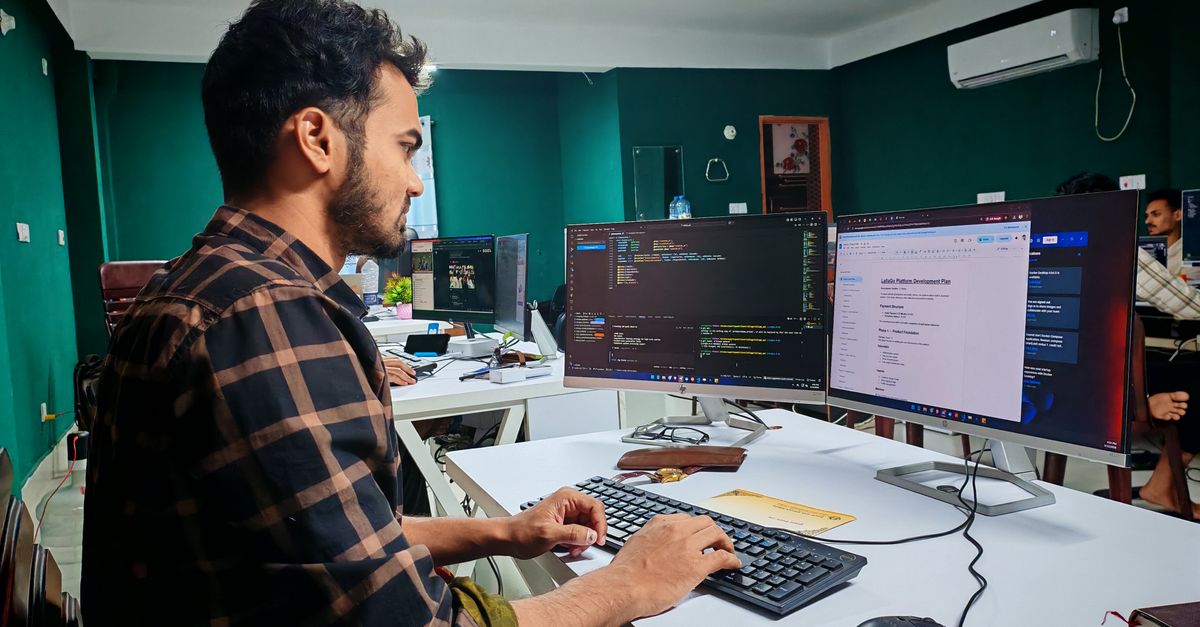
Photo by Zayed Hossain on Pexels
OnePlus 16 arrives with a 9,000 mAh battery
OnePlus confirmed the 16 series this week, attaching a 9,000 mAh cell to a chassis that looks “beastly” by the company’s own standards. The battery size dwarfs typical flagship phones, which usually sit between 4,500 mAh and 5,500 mAh. The announcement notes that most markets will not see the device, implying a limited rollout that sidesteps the usual global launch.
The battery alone raises practical questions. A 9,000 mAh pack can sustain a 6‑inch OLED display at 120 Hz for well over a day under moderate use, but thermal management and charging speed remain unaddressed. The lack of pricing or carrier details means early adopters will have to wait for a full spec sheet before assessing whether the extra capacity justifies the likely premium.
Microsoft opens dual‑screen development with new SDK
At Microsoft 365 Developer Day, the company unveiled a preview SDK for dual‑screen devices, targeting Windows, Android, and Web platforms. The toolkit includes an emulator that mimics the posture changes of devices like Surface Duo and the upcoming Windows 10X form factor. Developers can now test apps in three patterns Microsoft calls “expansive workspaces,” “focused screens,” and “connected apps.”
The announcement bundles a refreshed WinUI 3.0 Alpha that ships with a Chromium‑based Edge WebView2. A new TwoPaneView control automatically reflows content when an app is spanned or rotated. Edge DevTools will soon expose a dual‑screen simulation mode, letting engineers debug layout issues without physical hardware. Microsoft also back‑ported its Java native samples for Surface Duo to Kotlin and added cross‑platform support for macOS, Linux, and Windows IDEs.
UCLA engineers harvest electricity from falling snow
A team led by Richard Kaner at UCLA reported a snow‑based triboelectric nanogenerator (snow TENG) in Nano Energy. The thin, flexible sheet consists of a silicone layer that is negatively charged opposite the naturally positive snowflakes. When snow contacts the silicone, electrons transfer, generating a measurable voltage captured by an electrode printed onto the substrate.
Kaner describes the device as a “weather station” that can report snowfall depth, wind direction, and speed without batteries. Co‑author Maher El‑Kady notes that silicone outperformed aluminum foil and Teflon in charge extraction tests. Because about 30 % of the planet’s surface is snow‑covered each winter, the researchers suggest integrating the TENG with solar arrays to maintain power output when snow blocks sunlight.
What the trio means for power‑constrained devices
The three announcements converge on a single theme: extracting more utility from limited energy budgets. OnePlus pushes battery capacity to the extreme, betting that users will tolerate a bulkier phone for longer runtimes. Microsoft’s SDK aims to keep dual‑screen apps responsive without draining batteries, leveraging containerized updates and efficient resource allocation in Windows 10X. UCLA’s snow TENG offers a battery‑free power source for niche environments, potentially extending the operational window of remote sensors.
If OnePlus ships the 16 with fast‑charging support, the market will see whether a 9 Ah cell can be recharged quickly enough to stay competitive. Developers will watch the dual‑screen SDK’s evolution; the next Insider build could add native support for the TwoPaneView control in production releases. Finally, the snow TENG will need field trials to prove durability under real snowfall, but its low‑cost silicone construction suggests a path to commercial prototypes.
What to watch – Track the OnePlus 16’s official spec sheet and pricing when it appears in regional markets. Monitor the Windows 10X Insider channel for the first stable release of the dual‑screen SDK and Edge DevTools support. Keep an eye on follow‑up papers from Kaner’s group for performance metrics of the snow TENG under varied snowfall rates.
Updates
- 2026-10-15 — E Ink upgraded the screen found in most color e-readers (source)
Related Articles
Microsoft urges AI ‘emergency brake’ amid Apple, Ukraine moves
Microsoft's CEO calls for an AI safety stop button while Apple taps a podcast startup, Ukraine hits a Russian AI data hub, and a study flags bottlenecks in coding assistants.
Microsoft, Lyft, Samsung and Honor Shift Audience and Device Play
Microsoft pushes fan-community features, Lyft trains drivers to service Waymo fleets, Samsung advises Apple on foldables, and Honor’s robot phone sparks niche demand.
Microsoft's Project Zenith Requires 64 GB RAM
Microsoft unveiled Project Zenith, a stripped-down Windows build aimed at developers, but it only runs on PCs with 64 GB of RAM.