

Apple HomeView adds iPhone widget support while EU launch stalls

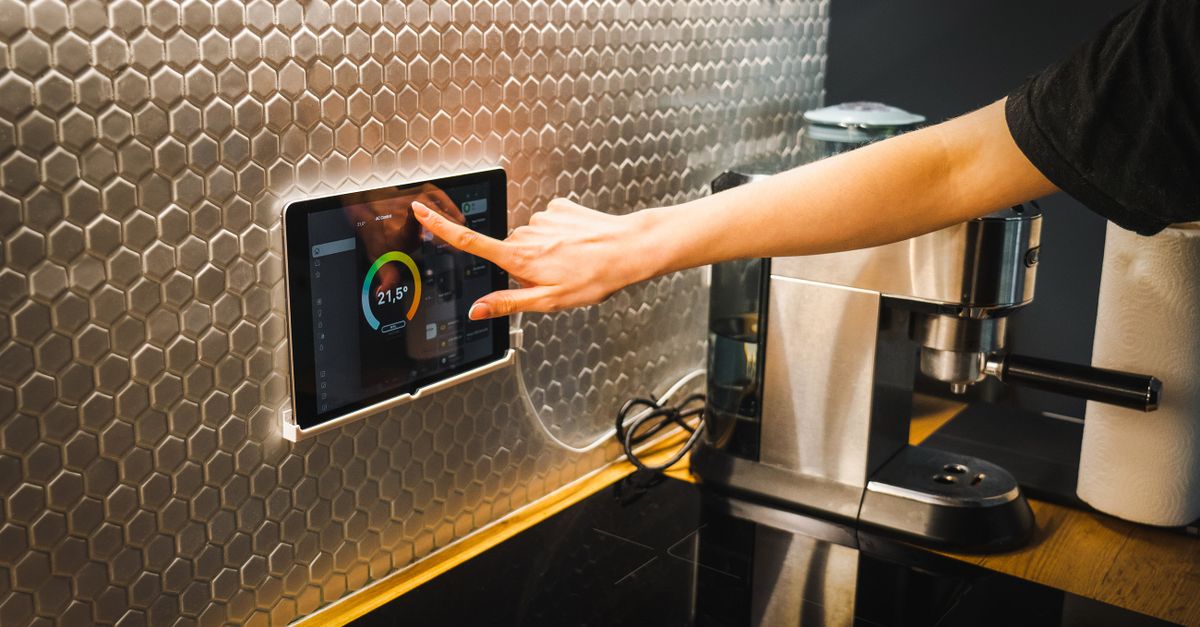
Photo by Jakub Zerdzicki on Pexels
HomeView opens to third‑party widgets
Apple announced that HomeView will display widgets drawn from a paired iPhone. The feature arrives without an App Store on the device. Users can pull a Weather, Calendar or third‑party widget from their phone and watch it update on the 7‑inch screen. The Apple document released after the launch says the widget bridge works for any iOS app that exposes a widget. Apple did not list specific partners, but the mechanism mirrors the way iPhone widgets already sync to the lock screen. No new hardware is required; the existing HomeView unit handles the data over the local network. The move signals a shift from a closed‑loop hub to a more open smart‑home display. Earlier rumors suggested HomeView would be an Apple‑only sandbox. By letting iPhone widgets appear, Apple reduces the need for developers to build a native HomeView app.
Video apps get conditional access
Apple’s internal guidelines now mention third‑party video services. YouTube and Netflix can appear on HomeView if the providers opt‑in. The document does not guarantee inclusion; each service must sign a licensing agreement. If a video app signs, HomeView will stream the service at the device’s native resolution. The screen can reach 500 nits in bright rooms and dim to 0.3 nits for bedside viewing. Audio will play through the base’s Spatial Audio speakers. The conditional model mirrors Apple’s approach on Apple TV, where content partners negotiate separate terms. For now, the only confirmed video partners are those that have publicly agreed. Users should not expect the apps to appear automatically.
Hardware specs and privacy focus
HomeView ships with a 7‑inch Liquid Retina display, True Tone, and an adaptive brightness range from 500 nits down to 0.3 nits. A 12‑megapixel Center Stage camera tracks faces for FaceTime calls. Four beam‑forming microphones capture voice from across the room. Audio comes from a domed aluminum base and the display itself. The speakers support Spatial Audio, delivering room‑filling sound. The device recognizes up to six faces and swaps the interface to each user’s personal content. Apple priced HomeView at $299 in the United States. Pre‑orders began on the day of the announcement and shipments start on November 13 in eight countries. The product is offered in silver, starlight, rose pink and space gray, with a stainless‑steel hinge that lets users tilt the screen. Greg Joswiak, Apple’s senior vice president of Worldwide Marketing, said the hub is “designed to be shared by everyone in the home yet feel completely personal to each user.” The quote appears in Apple’s press release and underscores the face‑recognition claim.
EU market blockage and regulatory friction
Apple told reporters the HomeView launch will skip the European Union. Siri AI, a core component of the device, is not available on iOS in the region. Without Siri AI, Apple cannot meet its privacy and functionality promises for HomeView. The company said it is “working constructively with the EU in an attempt to find a path forward.” No timeline was given for a European release. The statement came from Apple’s official comment on the EU limitation. The EU ban highlights a broader regulatory tension. Apple’s on‑device intelligence relies on data processing that EU regulators currently deem non‑compliant. Until Apple resolves the Siri AI restriction, HomeView remains unavailable to European consumers.
What to watch
Track Apple’s negotiations with the European Commission for a Siri AI exemption. A resolution could unlock HomeView sales in the EU as early as the next quarter. Also monitor which video services sign the conditional agreement. A Netflix or YouTube launch would expand HomeView’s entertainment value and could influence other smart‑display makers. Finally, watch for any developer updates on widget support. If third‑party apps begin shipping HomeView‑specific extensions, the device could evolve beyond a simple iPhone companion into a standalone smart‑home hub.
Related Articles

Apple HomePad arrives Oct 13; Onvis adds Matter plug
Apple will unveil its HomePad on Oct 13, while Onvis rolls out a Matter‑over‑Thread outdoor plug that works straight with Apple Home.
Google, Apple Tweak Interfaces Amid Upcoming Rebrands
Google and Apple roll out subtle updates across apps and hardware, signaling shifts ahead of major events and rebrands.

Apple Expands Wallet Keys, Moves iPhone Duo Dates
Apple widens CarKey support to GM brands, advances iPhone Duo deliveries, and teases a touchscreen MacBook, reshaping its ecosystem.