

Apple’s $2,000 iPhone Duo sells out before 2027

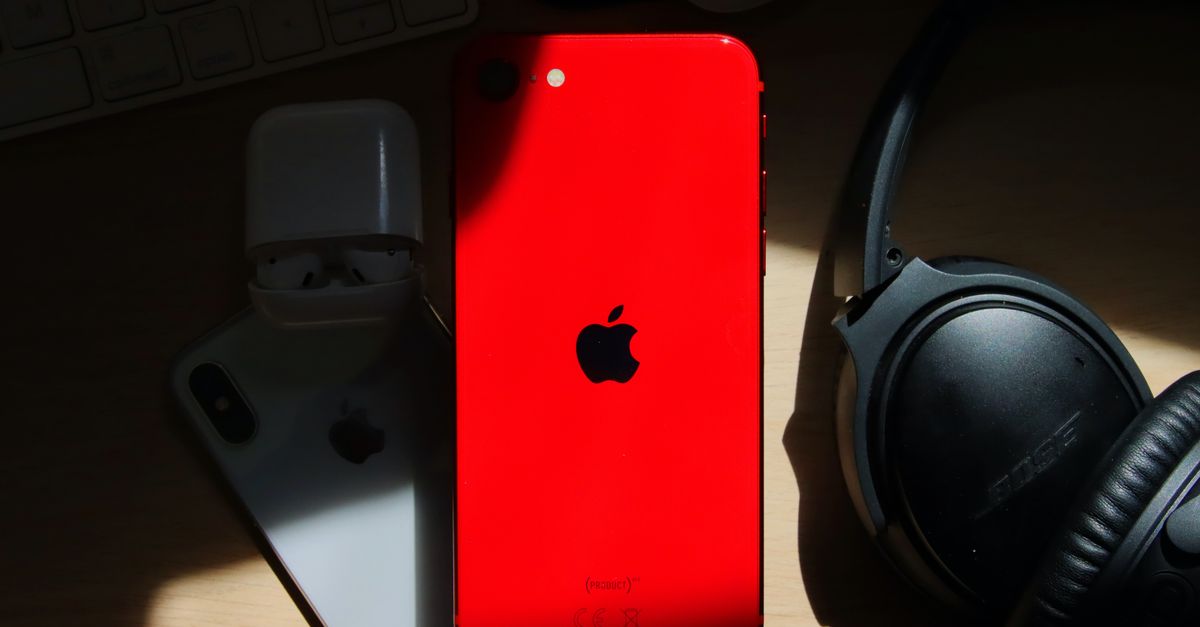
Photo by Filipe Alves on Pexels
Apple opened pre‑orders for its $2,000 iPhone Duo at 8 a.m. ET, and the Apple Store went dark seconds before the launch. The frenzy proved that Apple can still turn a premium form factor into a headline‑grabbing event.
Engadget reported that the Apple Store was down ahead of the pre‑order window, a move Apple has used before to funnel traffic into a single moment. The iPhone Duo is the company’s first folding handset, priced at $2,000, and available for pre‑order only at the opening bell. No other Apple device in recent history has commanded a six‑figure price tag on launch, and the folding design marks a clear departure from the flat‑screen roadmap that defined the iPhone for a decade.
iPhone Duo launch
The initial wave of orders filled up within minutes, according to 9to5Mac. The outlet noted that anyone who missed the first seconds of the opening window now faces a wait until at least 2027. That timeline turns a typical product cycle on its head – Apple usually ships new iPhones within weeks of launch. The Duo’s supply bottleneck suggests either a deliberate scarcity play or a production shortfall that Apple has not publicly addressed.
From a user perspective, the Duo feels like a novelty that promises a larger canvas without sacrificing pocketability. Early hands‑on reports describe a hinge that feels solid, a display that folds with a faint audible click, and a camera module that shifts to accommodate the new form factor. The experience is not a wholesale redesign of iOS; the OS runs as usual, but the hardware demands a new ergonomics mindset.
Pricing pressure and market reaction
At $2,000, the Duo sits above the premium tier of most flagship Android foldables, which typically launch in the $1,500‑$1,800 range. The price point sparked debate on social media, with many users calling it “exorbitant” and “out of reach for most power users.” The high cost also raised questions about Apple’s margin expectations. Historically, Apple has justified premium pricing with ecosystem lock‑in and brand cachet; the Duo adds a mechanical novelty to that equation.
Analysts observed that the pre‑order sell‑out could be a double‑edged sword. On one hand, a sold‑out launch fuels hype and reinforces Apple’s reputation for creating must‑have devices. On the other hand, a forced wait until 2027 risks alienating customers who expect rapid iteration. The gap may push early adopters toward competing foldables that ship sooner, even if those devices lack Apple’s software polish.
Software side: iOS 27.2 and HomePod updates
While hardware stole the headlines, Apple also pushed three new changes to iOS 27.2 this week, as reported by 9to5Mac. The brief did not enumerate the changes, but the timing suggests Apple wants to smooth the transition to a folding display. Incremental tweaks to multitasking, gesture handling, or screen scaling would be logical moves to make the Duo feel native.
In the same batch of announcements, Apple unveiled three new Home products – HomeView, HomePod mini 2, and a new Apple TV 4K – and promised three free software features for the existing HomePod 2. The specifics of those features were not disclosed, but the free upgrade signals that Apple is still investing in its smart‑speaker ecosystem despite the hardware focus on the Duo.
The simultaneous rollout of iOS refinements and HomePod enhancements paints a picture of a company that refuses to let a single product dominate the narrative. By bundling modest software upgrades with a headline‑making hardware launch, Apple keeps its broader platform moving forward.
Strategic implications
The Duo’s launch forces a reassessment of Apple’s product cadence. Folding phones have been a niche segment dominated by Android OEMs; Apple’s entry could legitimize the form factor for enterprise users who value Apple’s security and integration. However, the steep price and limited availability may confine the Duo to a prestige segment rather than a mass‑adoption device.
Supply constraints also expose a potential weakness in Apple’s manufacturing pipeline. The company’s reliance on a single supplier for hinge mechanisms could become a choke point, especially if demand spikes again. Competitors with more diversified supply chains might capitalize on the gap by delivering foldables at lower price points and with more reliable stock.
From a brand perspective, the Duo reinforces Apple’s willingness to gamble on form factor innovation. The company has historically avoided radical hardware changes that could fragment its user base. By committing to a folding design, Apple signals confidence that its software can adapt without breaking the seamless experience users expect.
What to watch
The next major indicator will be Apple’s production schedule for the Duo. If Apple announces a 2025 batch that expands availability, the scarcity narrative will shift to a controlled rollout. Conversely, if the 2027 horizon holds, the Duo may become a collector’s item rather than a mainstream device.
Watch for iOS 27.3, which is likely to include more folding‑specific optimizations, and for any public statements from Apple’s supply‑chain partners about hinge component capacity. Those signals will reveal whether the Duo is a one‑off experiment or the start of a new product line that could reshape the high‑end smartphone market.
Related Articles

Apple's Fall Rollout Redefines Phones, Macs, and Photos
iOS 27 revamps Shared Albums, Samsung supplies iPhone Duo’s foldable screen, and Apple lines up a touchscreen MacBook Pro and OLED iPad mini for October.
Apple unveils iPhone 18 Pro, Duo foldable, and price hike
Apple's September event introduced the iPhone 18 Pro at $1199, the first foldable iPhone Duo, and hinted at a new camera feature, while the Apple Store went offline.
Apple fixes iPhone alarm, tweaks CarPlay, previews iPhone 18
Apple’s iOS update forces alarms to ring at full volume, offers CarPlay disconnect tricks, and previews the iPhone 18 Pro line, while budget accessories ease CarPlay adoption.