

Tesla’s Roadster revamp aims to fund Model 3 woes

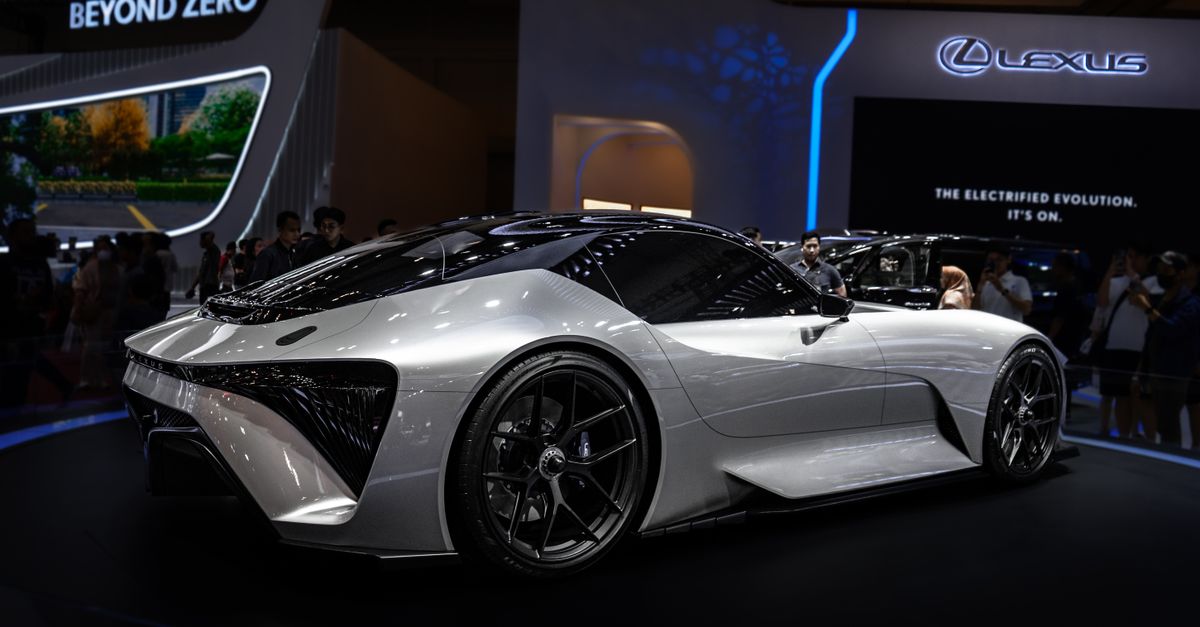
Tesla unveils next‑gen Roadster and cold‑gas thruster
The company rolled out a redesigned Roadster and offered a cold‑gas thruster as an optional add‑on. The base model carries a $200,000 price tag, and a $50,000 deposit secures a reservation. A limited Founder Series of 1,000 units sells for $250,000 each, effectively a $250,000 reservation.
The event was described as “pretty exciting” by coverage that highlighted the spectacle. The cold‑gas thruster, while not detailed in price, promises a brief burst of maneuverability for the already lightweight chassis.
Performance and feel: what the test drive revealed
A hands‑on run confirmed the Roadster hits 0‑60 mph in 3.9 seconds, edging out the Ferrari F430 and Lamborghini Gallardo on paper. The electric drivetrain delivers that sprint without oil consumption, a point the driver emphasized.
The 2009‑era body still feels like a stripped‑down racer. The chassis weighs just 180 lb, and the car sits low enough that the driver could tap an elbow to the asphalt. The exhaust‑free roar resembles a fighter jet, and the acceleration feels like a drag bike on steroids. For anyone with cash, the experience reads as a pure, visceral thrill.
The Roadster as a cash‑raising stunt amid Model 3 production woes
Tesla’s high‑profile Roadster reveal came on the heels of a shaky Model 3 rollout. The company promised 20,000 Model 3s per month by December, yet the last quarter produced only 260 units—about three cars a day, far below the one‑car‑per‑minute cadence that defines a healthy line.
Cash flow adds urgency. Tesla spent $1.1 billion on its auto business in the most recent quarter and expects $1 billion in expenses for the current one. Cash on hand stood at $3.5 billion at the end of September, but the burn rate predicts a dip to roughly $1 billion by the end of Q1 2018. Analysts called the cash drain “alarming” and warned that another share sale or junk‑bond issuance would be problematic.
In that context, the Roadster reservation model looks like a Kickstarter for a struggling automaker. Jessica Caldwell of Edmunds noted the need for “a little bit of excitement,” while Sam Abuelsamid called the move “cynical” given Tesla’s production challenges. If all 1,000 Founder Series buyers pay up, Tesla would inject $250 million into its balance sheet—a short‑term lifeline that does little to solve the underlying manufacturing bottlenecks.
Space‑bound Roadster still circling the solar system
Beyond the showroom floor, the Roadster continues its interplanetary drift. SpaceX’s Falcon Heavy lofted the car into space two years and eight months ago, and the vehicle recently made its first close approach to Mars, passing within 0.05 AU—under five million miles—of the Red Planet.
The car still coasts at roughly 4,641 mph (7,469 kph) after that launch. If the battery remains functional, the onboard speakers have looped David Bowie’s “Space Oddity” 265,533 times and the band The Strokes’ “Is There Life On Mars?” 357,794 times. A data storage module carries Isaac Asimov’s Foundation novels for any hypothetical alien listeners.
Starman, the mannequin dressed in a prototype SpaceX suit, remains the public face of that orbit. The Roadster’s trajectory is essentially a long‑term experiment: it will wander until it collides with something, perhaps delivering a final, literal crash landing.
What to watch next for Tesla’s high‑performance line
The next milestone is the start of production for the new Roadster. Delivery timelines point to 2019, but any delay will tighten the cash‑flow squeeze already evident in the Model 3 line. Investors should track the quarterly Model 3 output numbers, the cash‑balance trend, and whether the Founder Series reservations materialize. A successful Roadster rollout could buy Tesla breathing room; a stumble would amplify the pressure on the Model 3 ramp and force another round of financing.
If the Roadster’s cold‑gas thruster proves functional in real‑world driving, it may become a differentiator that justifies the $250,000 price. Until then, the car remains a high‑priced halo product that masks deeper operational challenges.
Related Articles
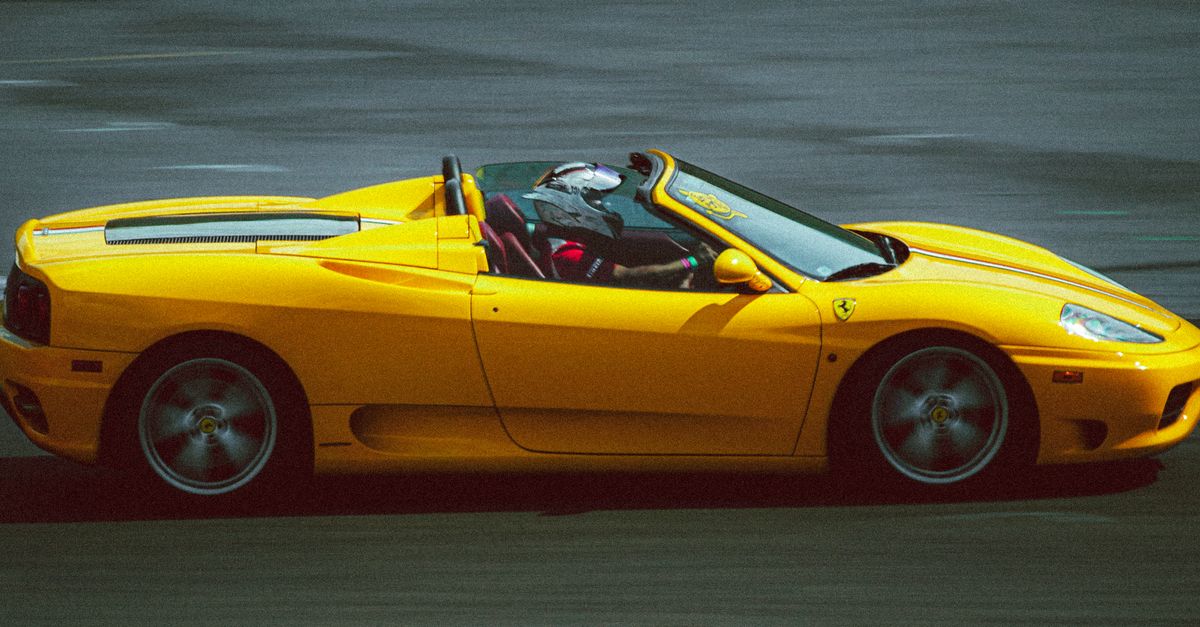
Tesla Roadster 2 flips with old Lockheed thrusters
Tesla’s new Roadster 2 uses decades‑old Lockheed Martin compressed‑gas thrusters to spin the 230‑mph car in the air, sparking debate over its practicality.
Florida redirects EV funds to air‑taxi pads as GM and Tesla push
Florida repurposes $200M EV‑charger money for air‑taxi pads while Tesla hits 10 million EVs and GM rolls out a new Ultium platform, reshaping the electric‑mobility landscape.
Space Timelines Slip While Code Complexity Grows
NASA’s Artemis III rehearsal, Rocket Lab’s Neutron delay, and the tangled async/await landscape reveal how progress in space and software is often slower than hype.