

Legacy games thrive as consoles get a second life

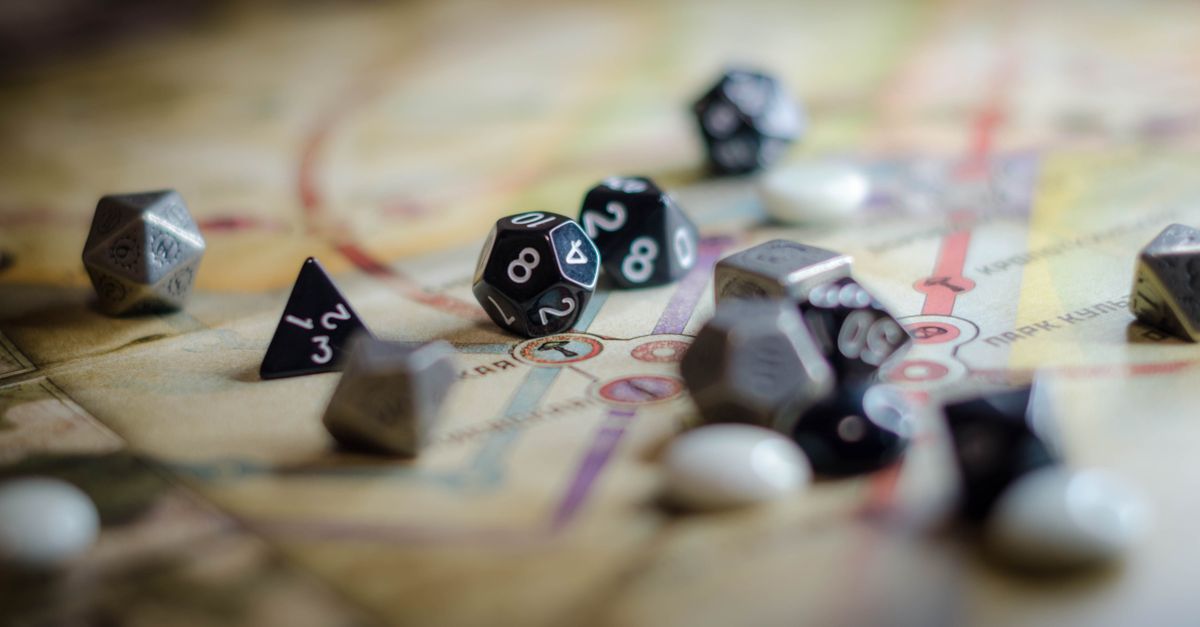
Photo by Nika Benedictova on Pexels
Neverwinter Nights still pulls thousands of players, while a canceled Assassin’s Creed project resurfaces and old PlayStations get repurposed. The three stories show how community passion and clever reuse keep legacy tech relevant.
BioWare’s 2002 RPG Neverwinter Nights (NWN) continues to host a vibrant multiplayer scene, according to Ars Technica. The single‑player campaign is described as “just OK,” but players say that doesn’t matter because the mod‑driven multiplayer hub still sees “thousands of active players.” Ubisoft’s upcoming Assassin’s Creed Jade remains on the calendar, yet Engadget uncovered leaked gameplay that purportedly belongs to a scrapped AC title set in ancient China. The same outlet also reminded readers that older PlayStation consoles, while past their prime, can still be put to work in several creative ways.
A community that refuses to quit
NWN’s longevity hinges on its mod ecosystem. BioWare released the Aurora toolset with the game, and modders have turned it into a sandbox for custom adventures, arena battles, and even tabletop‑style campaigns. Those tools still compile on modern Windows, meaning new players can drop into a server without wrestling with obsolete patches.
The active player count stays in the low‑thousands, a figure that would be negligible for a mainstream MMO but impressive for a two‑decade‑old title. Players cite the freedom to script their own rules as the primary draw, not the dated graphics or voice acting. In forums, the sentiment is clear: the community values agency over polish.
The ghost of an ancient China adventure
Engadget reported that leaked footage shows a cancelled Assassin’s Creed installment set in ancient China. The video, though grainy, displays a lush landscape, period‑accurate armor, and parkour mechanics that mirror the franchise’s core loop. Ubisoft has not confirmed the project, but the leak confirms that the studio was exploring an Asian setting long before the announced Jade title.
The existence of the leak creates a tension between fan expectations and Ubisoft’s current roadmap. On one hand, the footage fuels speculation that the studio has the technical chops to render historically complex environments. On the other, the cancellation hints at resource constraints or strategic pivots that left a potentially strong IP on the cutting room floor. The contrast between a shelved China adventure and the confirmed Jade launch underscores how quickly development priorities can shift.
Old PlayStations, new tricks
Engadget’s “Don’t throw away your old PlayStation” piece argues that discarded consoles are far from useless. While the article stops short of a step‑by‑step guide, it points out that the hardware can serve as a retro gaming hub, a media streaming box, or even a low‑cost Linux server for hobbyists. The PlayStation’s built‑in DVD drive and HDMI output make it a convenient plug‑and‑play device for living‑room setups.
Practically, owners can install custom firmware to run emulators for classic titles, or flash the system with a lightweight OS to stream Plex libraries. Because the consoles are already network‑enabled, they can act as a bridge between old‑school controllers and modern TVs. The key takeaway is that the cost of repurposing is minimal compared to buying a new streaming device, and the nostalgic value adds a cultural cachet that newer hardware lacks.
Why legacy matters in a fast‑moving market
The three stories converge on a single insight: legacy platforms survive when communities inject value. NWN’s mod tools, the leaked AC footage, and the PlayStation reuse guide all illustrate that developers and users can extend a product’s relevance beyond its commercial lifespan.
From a business perspective, the continued engagement offers a low‑cost revenue stream. Players often purchase DLC, cosmetic packs, or donate to mod creators, keeping the ecosystem financially viable. For hardware manufacturers, encouraging second‑life applications can reduce e‑waste and improve brand perception among environmentally conscious consumers.
Technically, the ability to run old software on modern operating systems demonstrates the importance of backward compatibility. Tools like Wine, Docker containers, and open‑source firmware bridge the gap between legacy code and current hardware, making it easier for communities to keep older titles alive.
What to watch
Watch Ubisoft’s next quarterly report for hints about how the ancient China footage influences future releases. Keep an eye on NWN server statistics posted on community hubs to gauge whether the player base is stable or trending upward. Finally, monitor forums like r/PlayStation and r/retrogaming for emerging DIY projects that push old consoles into new roles. Those data points will indicate whether legacy enthusiasm translates into lasting market impact.
Related Articles

New hardware quirks ring note‑taker AI feeder retro upgrades
A ring‑sized note taker, AI‑driven cat feeder, free retro‑handheld upgrades, E Ink tablets, and Android UI tweaks illustrate niche hardware shifts.
Samsung pushes Ultra hardware while hiding data bloatware
Samsung rolls out a smaller Ultra phone and a 1,100 Hz gaming monitor, even as privacy‑busting AppCloud bloatware haunts its mid‑range devices in the MENA region.
Devolver's Mascot Platformer Challenges GTA 6 Release Day
Devolver Digital drops a mascot platformer on GTA 6's launch day, while ASUS, Xbox and IKEA roll out new hardware and furniture for gamers.