

Wyze scale COROS smartwatch and AppaMed shift health tech

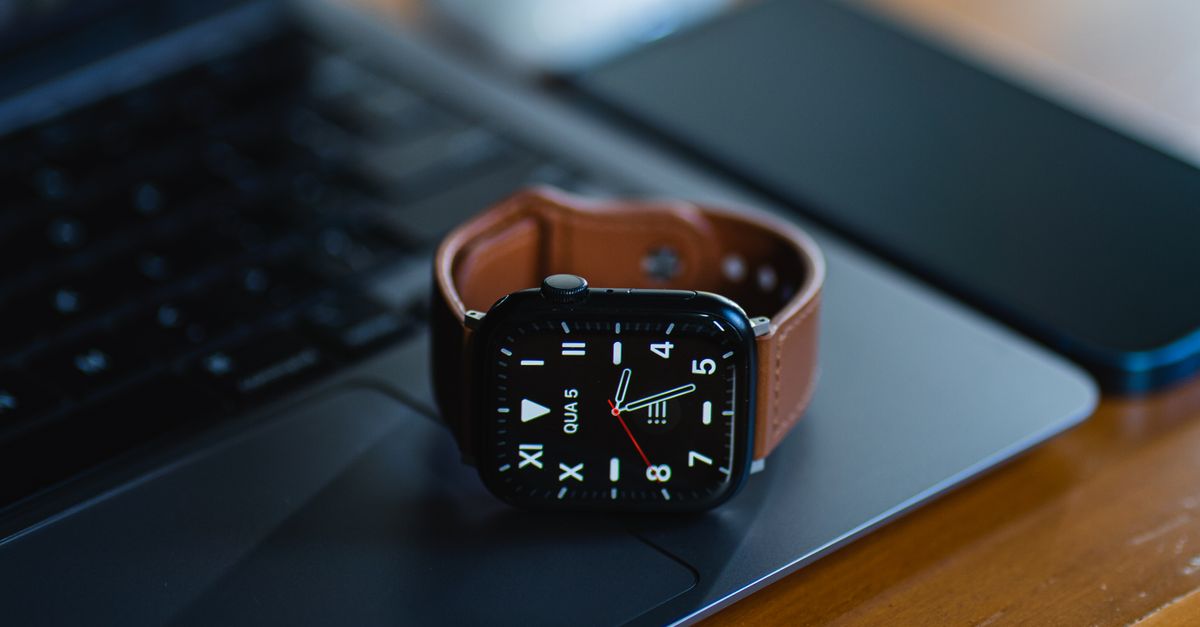
Photo by Douglas Mendes on Pexels
Wyze’s new BodyScan Plus scale finally displays weight readings while pushing data to Google Health.
The device syncs with both Google Health and Android Health Connect, and it corrects a long‑standing usability flaw by providing a readable LCD panel. 9to5Google noted the display is the first in Wyze’s lineup that users can actually see without a phone. The scale joins a crowded market of Wi‑Fi‑enabled bathroom devices, but its integration with Google’s health ecosystem gives it a clear data‑flow advantage.
The move matters because health data aggregation has stalled at the app layer for many consumers. By feeding weight metrics directly into Google Health, Wyze sidesteps the need for a proprietary companion app to act as a data hub. Users can now view trends alongside sleep, activity, and nutrition data already collected by Android devices. The hardware itself remains a modest 1‑kilogram platform, but the software bridge aligns it with broader digital health initiatives.
COROS Pace 4 pushes endurance for elite runners
COROS introduced the Pace 4 smartwatch in a special edition honoring Japanese marathon champion Suguru Osako, and the battery life claim is striking. The watch lasts 19 days on a single charge while supporting over 41 hours of continuous GPS tracking, according to 9to5Google. Those numbers dwarf typical smartwatch endurance, which often falls below a week under active use.
The extended battery is paired with a dedicated GPS chip that records real‑time location without sacrificing accuracy. For athletes who log long training runs or multi‑day ultramarathons, the ability to leave the watch on the wrist for nearly three weeks reduces the risk of missed data. The device also logs heart rate, altitude, and stride metrics, though the source does not detail those specs.
COROS positions the Pace 4 as a niche alternative to Wear OS devices, emphasizing raw performance over a broad app ecosystem. By trimming background services and focusing on sport‑specific sensors, the watch conserves power while delivering the data granularity serious runners demand. The Osako edition underscores the brand’s strategy of aligning hardware releases with high‑profile athletes to validate performance claims.
AppaMed brings medication tracking to the browser
A recent Show HN post unveiled AppaMed, a web‑based medication cabinet that lets users catalog prescriptions, set dosing schedules, and receive expiry alerts. The service runs entirely in the browser, requiring no dedicated hardware beyond a computer or mobile device. Sign‑up is free, and the platform promises to keep users from missing doses or taking expired pills.
AppaMed’s feature set includes a detailed medication list with dosage instructions, configurable reminders, and proactive expiry date monitoring. The interface lets users input each drug’s name, strength, and timing, then generates notifications that appear in the browser or via email. While the post does not disclose user numbers, it claims a growing community of “thousands” who rely on the tool for daily health management.
The solution fills a gap left by traditional pill dispensers, which often lack connectivity and granular tracking. By leveraging cloud storage, AppaMed can sync across devices, ensuring that a reminder set on a laptop will still fire on a phone. The approach also sidesteps regulatory hurdles that hardware medical devices face, because the service is classified as a health‑management app rather than a diagnostic tool.
Converging data streams reshape personal health management
The three announcements illustrate a broader trend: consumer health devices are moving from isolated gadgets to interoperable data sources. Wyze’s scale, COROS’s smartwatch, and AppaMed’s web app each prioritize seamless synchronization with larger platforms, whether that’s Google Health, a proprietary cloud, or a browser‑based service.
Data interoperability reduces friction for users who already juggle multiple health apps. When a scale writes weight to Google Health, the metric can be correlated with activity data from a Wear OS watch or sleep data from a smart mattress without manual entry. Similarly, a runner’s GPS logs from the Pace 4 can be exported to training analysis tools that already ingest data from other fitness ecosystems. AppaMed adds a medication dimension to this web of information, allowing potential integration with pharmacy APIs or electronic health records in the future.
Regulatory scrutiny is likely to increase as more devices feed personal health data into centralized services. Agencies such as the FDA have issued guidance on software as a medical device, and the line between wellness tracking and clinical monitoring continues to blur. Companies that embed robust privacy controls and transparent data handling will find it easier to navigate compliance while offering richer user experiences.
What to watch
Wyze’s next firmware update will reveal whether the Google Health sync can accommodate third‑party analytics tools, a feature that could set a new standard for smart scales. COROS plans to release firmware that may unlock additional sensor data from the Pace 4, and any partnership with training platforms will be a signal of deeper ecosystem integration. AppaMed’s roadmap mentions potential API access for pharmacy services; tracking the launch of such an API will indicate how quickly web‑based medication managers can move toward clinical relevance. Together, these developments will show how tightly personal health data can be woven into everyday digital workflows.
Related Articles
Apple Watch Series 4 Turns Wrist Into FDA‑Cleared ECG Device
Apple’s Series 4 adds a 30‑second ECG test and AFib alerts, marking a shift from fitness tracker to medical‑grade wearable.

Pixel Watch 5 pushes health tracking but drops key features
Google's Pixel Watch 5 adds AI‑driven health tools and faster performance, yet omits several expected features at launch.

Apple Expands Wallet Keys, Moves iPhone Duo Dates
Apple widens CarKey support to GM brands, advances iPhone Duo deliveries, and teases a touchscreen MacBook, reshaping its ecosystem.