

Apple’s First Foldable Phone Lands Strong but Software Trails

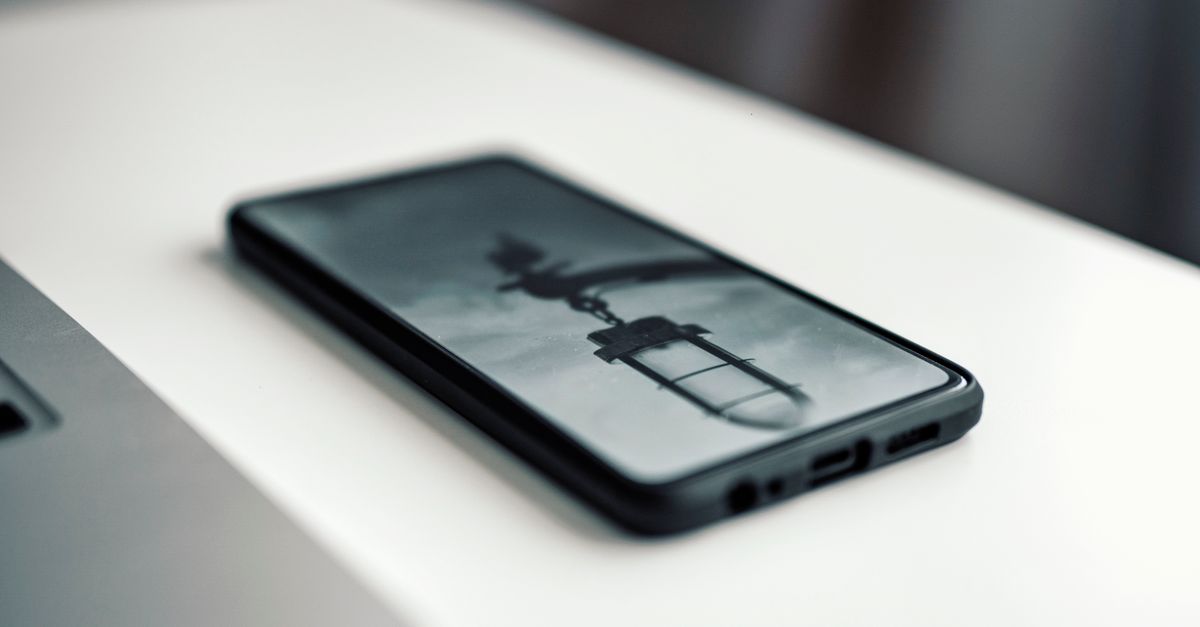
Photo by Gantas Vaičiulėnas on Pexels
Apple finally shipped a foldable phone that feels solid enough to use daily. The iPhone Duo arrives as Apple’s first attempt at a folding device, and reviewers immediately note its build quality.
The review from WIRED calls the Duo “astonishingly good” for a first‑generation foldable. The hardware folds cleanly, the hinge feels durable, and the screen displays without noticeable creasing. iOS, however, still runs a single‑app UI, and third‑party developers have not yet optimized for the new form factor. The gap between hardware and software will shape the device’s early adoption.
iOS and Apps Play Catch‑Up
Apple’s software ecosystem moves slower than its hardware releases. The iPhone Duo runs the same iOS version that powers the iPhone 15 series, meaning multitasking on two screens is limited. Developers must rewrite UI layouts to support the larger inner display, a task that will take months for most apps.
Early reports show that popular productivity tools still render as if on a single screen. Users who expected a seamless dual‑screen experience find themselves switching between apps manually. The lack of native split‑screen support feels like a regression compared to Android foldables that already offer it.
Competing Hardware Launches This Quarter
Sony’s PlayStation Pulse headset entered pre‑order on October 29, with a launch slated for November 19 at $100. The headset targets gamers who want a wireless audio solution for the PlayStation 5 and PC. Its price undercuts many premium VR headsets, positioning it as a mainstream accessory.
At the same time, Meta‑compatible VR fitness app Supernatural relaunched on Meta headsets in early access. Subscriptions cost $20 per month or $200 per year, offering guided workouts in immersive environments. The move signals a push to monetize VR beyond games, aiming at health‑conscious users.
Oppo’s Find X10 Pro Max hands‑on reveals a triple‑camera setup with three 200‑megapixel sensors. The device adds no radical software tricks, but the sensor count pushes the envelope for mobile photography. Reviewers note that Oppo is trying to fill a gap left by OnePlus, playing it safe while still delivering impressive raw resolution.
Google expanded CarPlay functionality by adding a Gemini icon that launches an AI chat while using Maps. Tapping the icon opens a conversational window that can answer queries, suggest routes, and pull up local information without leaving the navigation screen. The feature shows how AI assistants are threading into existing automotive ecosystems.
Why the Foldable Matters Now
Apple’s entry changes the economics of foldable phones. Until now, Samsung and Huawei dominated a market that demanded premium prices and niche appeal. A well‑executed Apple foldable could force competitors to lower prices or accelerate software integration.
The Duo’s strong hinge and reliable screen address the two biggest hardware complaints about earlier models. If Apple can leverage its supply chain to keep costs manageable, the device could reach a broader audience than previous foldables. However, without a robust app experience, the hardware advantage may feel hollow to power users.
Developers are already filing tickets with Apple to request dual‑screen APIs. The company’s track record of rolling out developer tools within a year suggests a possible iOS update in 2025 that better supports folding displays. Until then, early adopters will have to tolerate a clunky software layer.
What to Watch
The next iOS beta that includes official foldable support will be the litmus test for the iPhone Duo’s long‑term viability. Keep an eye on Apple’s WWDC announcements for any mention of dual‑screen APIs. Sony’s Pulse headset launch will reveal whether the market embraces lower‑cost audio accessories for consoles. Finally, subscription uptake for Supernatural’s VR workouts will indicate if fitness can sustain a premium VR ecosystem. Together, these signals will shape how quickly the industry moves beyond hardware novelty toward integrated experiences.
Related Articles
Apple’s pre‑order hack, hardware tweaks
Apple rolls out a Get Ready tool, unveils HomePod mini 2, battles a $5.7 B verdict and sees China shipments shift – here’s what it means.
Apple’s Fall Blitz Mixes New Gear, TV Marathons
Apple drops a four‑week TV premiere marathon, launches Watch Ultra 4, Series 12 and AirPods 5, and faces app and listening concerns with the upcoming iPhone Duo.
Apple’s latest hardware moves expose divergent strategies
Apple unveiled new MacBook Neo sales data, upcoming iPhone 18 Pro displays, iPhone Ultra features, Vision Pro surgery use, and watchOS 27 changes, highlighting shifting priorities.