

Claude Duet debuts as AI sidekick while Microsoft slams

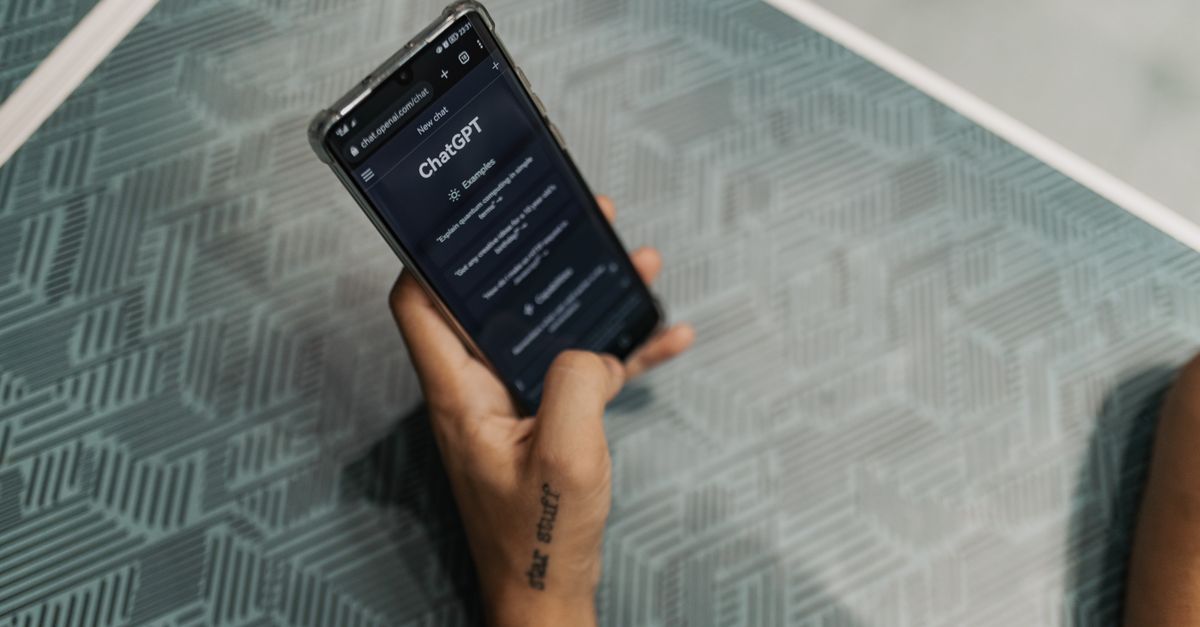
Photo by Matheus Bertelli on Pexels
Claude Duet rolls out as a proactive AI assistant
Claude Duet shows up as a proactive AI assistant that nudges you before you even notice a task. Anthropic opened a research preview today and limited it to Pro and Max subscribers in the United States. The app lands on iOS, Android, and the claude.ai web portal, and it inherits the same usage caps as the rest of Claude.
The preview runs on Claude Opus 5.5, a model Anthropic says is “resourceful and able to decide what needs you, what can wait, and when to check with you first.” Each morning the agent pushes a short brief of the most important items across your linked apps. Throughout the day it monitors those apps and only pings you when something truly needs attention. Users can hand it anything from scheduling a meeting to building a multi‑tool dashboard, drafting a sales forecast, or even prototyping a web app. Anthropic’s internal team is already using Duet on walks, in bedtime hand‑offs, and to schedule user interviews, showing that the workflow is more than a gimmick.
How Duet’s safety layers differ from earlier agents
The biggest selling point Anthropic highlights is Duet’s judgment around sensitive data. A new dedicated classifier and safety‑system prompt scan every outbound message. The system rejects requests that would expose the strictest tier of information—credit‑card numbers, government IDs—while allowing health or personal‑finance details only after explicit user instruction.
Anthropic stresses that the safety stack builds on years of work protecting agents that read email and send messages on behalf of users. The company promises to release more technical details in the coming days, but the headline is clear: an AI that can act for you must be locked down against accidental leaks. That focus on privacy is a direct response to the broader industry criticism that agents often become data‑exfiltration risks when left unchecked.
Enterprise AI cost crunch: Microsoft pulls Claude Code
Microsoft has abruptly ended its internal Claude Code pilot, pulling the tool from thousands of developers and non‑technical staff. The pilot launched in December 2025 and gave employees unrestricted access to the AI‑powered coding assistant. Within months, the program ran into the harsh reality of token‑based billing.
Anthropic’s own pricing shift to per‑token fees mirrors a wider industry trend. Tropic data shows U.S. AI software prices have risen between 20 % and 37 % recently. Uber’s CTO warned that the company burned through its entire 2026 AI budget in just four months. When a cloud‑giant like Microsoft decides that a third‑party coding assistant is too expensive to license at scale, the signal is unmistakable: unlimited AI access is no longer sustainable for large enterprises.
What the clash means for AI tooling business models
The two announcements illustrate a bifurcation in the market. On the consumer side, Anthropic pushes Duet as a value‑added feature for existing Pro and Max plans, betting that professionals will pay for a trusted, safety‑first sidekick. On the enterprise side, vendors that wrapped OpenAI or Anthropic models behind flat‑rate subscriptions now face a reckoning. If they keep flat fees, heavy users will drain their margins; if they pass usage costs directly to customers, adoption will slow.
The shift forces a rethink of product strategy. Companies may need to tier usage more aggressively, offer on‑premise deployments, or double down on privacy guarantees to justify higher token rates. Microsoft’s own GitHub platform recently abandoned flat‑rate plans for usage‑based billing, reinforcing the idea that the experimental phase of AI adoption is over and the optimization phase has begun.
What to watch
Watch Anthropic’s next pricing announcement for Claude Duet and any changes to the token model. Track whether Microsoft reinstates a scaled‑down version of Claude Code or replaces it with an in‑house solution. Finally, monitor the broader SaaS market for signs that other AI‑powered tools—especially those that act on behalf of users—will adopt similar safety classifiers and usage‑based billing structures.
Related Articles
DeepSeek V4.1 Flash 1017 Cuts Cost While Doubling Token Window
DeepSeek releases V4.1 Flash 1017 with a 1M token window, lower pricing and faster outputs, reshaping AI coding assistants.
Anthropic warns small AI models could self-replicate via IoT
Anthropic flags tiny weight‑based AI models that could turn IoT devices into self‑replicating worms, as other firms wrestle with model misuse.
Apple pushes hardware, price and privacy in new releases
Apple's upcoming iPhone Duo demos, HomeView hub, iPad mini OLED and iOS 27 updates raise costs and practical concerns for users.