

Apple pushes hardware, price and privacy in new releases

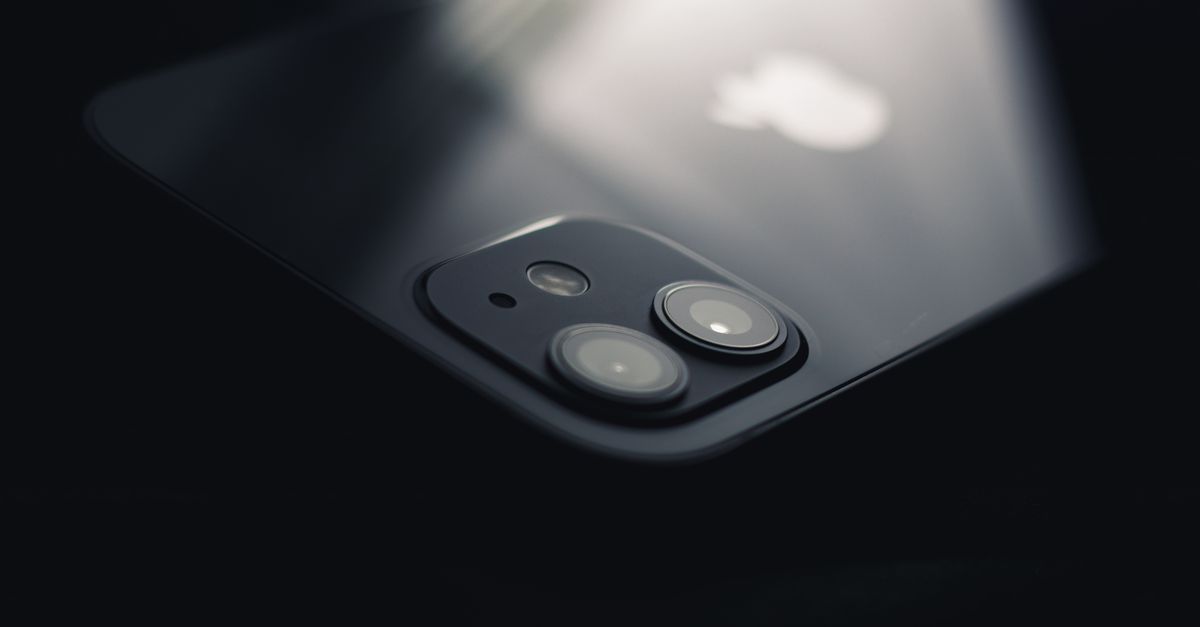
Photo by Calil Encarnación on Pexels
Apple’s spring rollout piles new hardware, software tweaks, and hidden costs onto a user base already juggling accessories and subscriptions.
Engadget reported that strong magnets can distort the iPhone’s rear‑facing camera, Bloomberg hinted that a smart‑home hub called HomeView will ship in November, and 9to5Mac noted that iOS 27 and macOS 27 Golden Gate added three iPhone Mirroring upgrades. The same outlet also said Apple plans retail demos for the foldable iPhone Duo and that the next iPad mini will likely cost $799, a jump from the current $599 baseline. Together these moves illustrate a pattern: Apple expands capability while nudging users toward higher‑priced hardware and services.
Magnetic accessories and camera performance
Engadget warned that magnets embedded in cases, mounts, or wallet‑style accessories can interfere with the iPhone’s rear‑facing camera sensor. The article notes that the magnetic field can shift the lens alignment enough to produce soft focus or ghosting, especially in low‑light conditions. The problem is not limited to third‑party add‑ons; even Apple’s own MagSafe ecosystem introduces a magnetic field close to the camera module.
The practical impact is immediate: users who rely on the iPhone for documentation, scanning, or video will notice degraded image quality when a magnet is present. Engineers can mitigate the issue by adding magnetic shielding or by redesigning the camera housing, but Apple has not announced any hardware change. For now, the advice is simple—remove magnetic accessories before shooting critical footage.
HomeView hub enters the smart‑home market
Engadget cited Bloomberg that Apple’s forthcoming smart‑home hub will be called HomeView and is slated to begin shipping in November. The device is expected to act as a local controller for HomeKit accessories, reducing reliance on cloud routing for routine commands. HomeView’s naming suggests a visual focus, possibly a display that surfaces camera feeds or sensor status at a glance.
If HomeView lives up to the HomeKit promise of on‑device processing, it could tighten Apple’s grip on the smart‑home ecosystem. Competitors such as Amazon and Google already offer hub‑centric experiences that blend voice control with local automation. HomeView’s November launch positions Apple to compete directly in the premium hub segment, where price points hover around $200‑$300. The lack of a disclosed price means analysts will watch the November rollout for clues about Apple’s pricing strategy in the connected‑home space.
AI‑driven camera summaries raise iCloud+ bills
Engadget also highlighted that Apple’s new AI summaries for security‑camera footage will push users onto more expensive iCloud+ tiers. The feature parses hours of video into concise event clips, a convenience that hinges on server‑side processing. For households with dozens of cameras, the extra compute translates into higher storage consumption and, consequently, higher monthly fees.
Apple has not published exact pricing tiers for the AI summary service, but the implication is clear: the convenience of automated highlights comes at a subscription premium. Existing iCloud+ plans already charge $0.99 per month for 50 GB, $2.99 for 200 GB, and $9.99 for 2 TB. Adding AI processing could push power users toward the 2 TB tier or even a bespoke enterprise offering. The move mirrors Apple’s broader trend of monetizing services that sit atop its hardware ecosystem.
Retail demo strategy for the upcoming iPhone Duo
9to5Mac reported that Bloomberg’s Mark Gurman learned Apple is planning “huge iPhone Duo demo experiences” at select retail stores ahead of the foldable’s launch, which is roughly two weeks away. The strategy appears designed to let customers handle the device’s unique hinge and dual‑screen form factor, a departure from Apple’s usual reliance on video teasers.
By staging in‑store demos, Apple hopes to mitigate consumer uncertainty about durability and usability—common concerns for foldables. The rollout also signals confidence in the Duo’s supply chain; Apple can afford to allocate retail floor space for a product that may still be limited in volume. Observers will watch whether the demo experience translates into strong pre‑order numbers or whether the novelty wears off once the device hits broader distribution.
iPad mini OLED pricing and the broader premium trend
Bloomberg, as referenced by 9to5Mac, said the next‑generation iPad mini will feature an OLED display and will be “considerably more expensive” than the current $599 entry model. The rumor places the starting price near $799, a $200 premium that aligns the mini with Apple’s higher‑end tablet tier.
The price jump reflects two market forces. First, OLED panels carry a higher bill‑of‑materials cost than the LCDs used in the current mini. Second, Apple appears to be positioning the mini as a niche productivity device rather than a budget tablet. This mirrors the pricing shift seen in the iPhone lineup, where base models have crept upward in recent years. The upcoming price point will test consumer willingness to pay for a smaller form factor with premium display technology.
What to watch
The next quarter will reveal whether Apple’s hardware upgrades and service extensions stick. Key data points include HomeView’s November retail price, iCloud+ subscription uptake after AI summaries launch, and pre‑order figures for the iPhone Duo following the retail demo push. The iPad mini’s final price and OLED performance benchmarks will also indicate how far Apple is willing to stretch premium pricing on its smaller devices. Tracking these metrics will show whether Apple’s strategy of coupling new capabilities with higher costs resonates with its core audience.
Related Articles
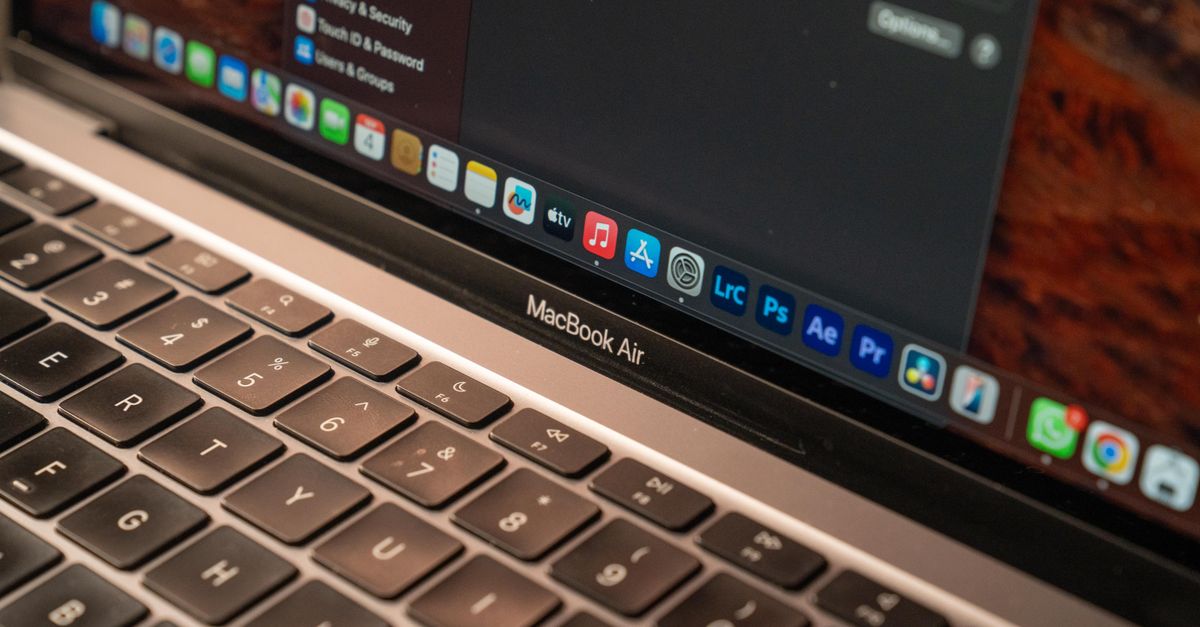
Apple tightens macOS privacy as AI agents push Full Disk Access
Apple updates macOS permissions to curb AI agents' Full Disk Access requests, while Siri gets a notable AI upgrade and HomeOS looms on the horizon.

Googlebook challenges Apple’s retail play as Mac Studio prices
Google’s $899 AI‑native laptop and Apple’s store‑first philosophy clash amid rising component costs and AI‑driven hardware bets.
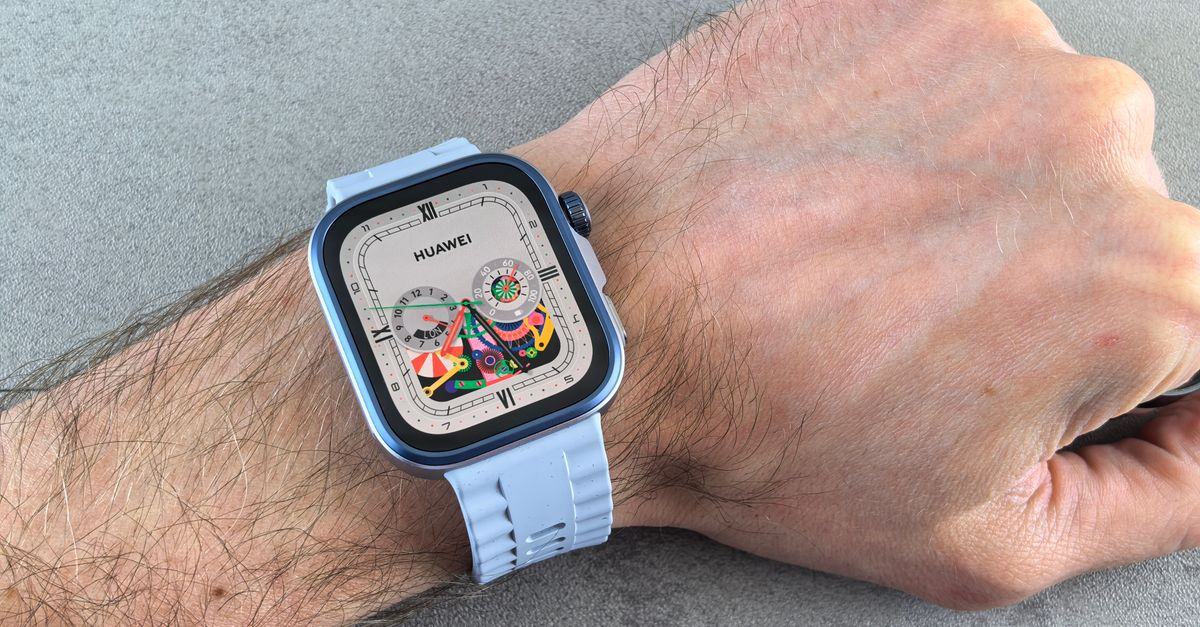
Apple’s Fall Blitz Mixes New Gear, TV Marathons
Apple drops a four‑week TV premiere marathon, launches Watch Ultra 4, Series 12 and AirPods 5, and faces app and listening concerns with the upcoming iPhone Duo.