

Quest breach, Intel robot waiver

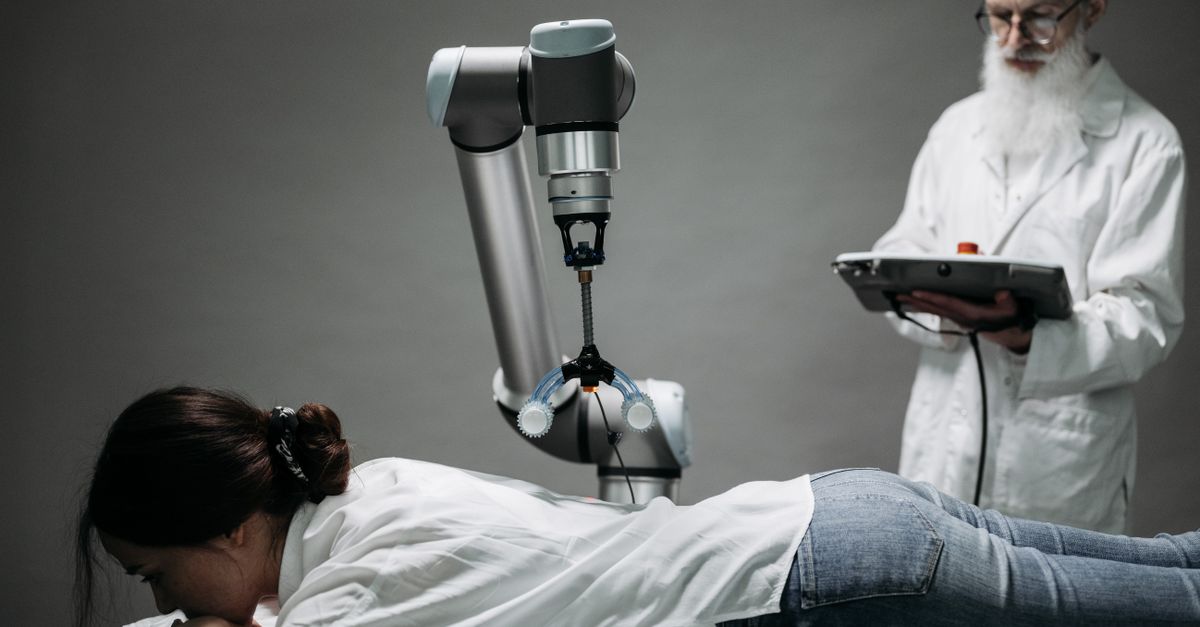
Photo by Pavel Danilyuk on Pexels
Quest Diagnostics breach exposes patient data
Quest Diagnostics confirmed that a breach exposed patients’ personal and health information. The breach adds another incident to a string of recent attacks on healthcare technology firms.
TechCrunch reported that the intrusion affected internal databases holding identifiers, medical histories, and billing records. Attackers leveraged a credential‑stuffing campaign to bypass multi‑factor checks and extract raw files. The company locked down the exposed endpoints and began notifying affected individuals, but the scale of the data exposure remains unclear.
Healthcare data carries a high resale value on underground markets, and the breach underscores the sector’s lag in zero‑trust adoption. Regulators have begun probing whether Quest met the Health Insurance Portability and Accountability Act (HIPAA) safeguards, and industry analysts warn that insurers may tighten reimbursements for firms with weak security postures.
Intel’s robot waiver sidesteps looming ban
Intel secured a waiver that allows it to continue using foreign‑made robotic vehicles on its U.S. fabs. The move averts an immediate supply shock that could have slowed chip output.
Ars Technica noted that the U.S. Commerce Department had floated a ban on imported automation equipment, citing national‑security concerns. Intel argued that its production lines depend on specialized robots sourced from Europe and Japan, and that a blanket restriction would force costly re‑tooling. The waiver explicitly permits the continued import of those units while the agency refines its policy.
The episode highlights a tension between security‑driven trade controls and the semiconductor industry’s need for cutting‑edge equipment. Without the waiver, Intel risked missing capacity targets that underpin the global chip shortage response, and the company signaled it would lobby for clearer guidance on permissible imports.
Switch 2 homebrew exploit cracks console security
A new “Userland” exploit unlocked homebrew access on Nintendo’s Switch 2 console. Hackers published a proof‑of‑concept that runs unsigned code without needing kernel privileges.
Ars Technica explained that the exploit stems from an integer overflow in the SmileBasic interpreter, a development environment bundled with the console. By feeding a crafted script, attackers trigger a memory‑corruption path that grants them execution rights in user space. The technique bypasses the console’s sandbox, allowing custom applications and potentially cheating tools to run.
Nintendo has a history of patching similar vulnerabilities, but the discovery forces the company to issue a firmware update that tightens interpreter bounds. The incident also revives the debate over whether console manufacturers should open their platforms to independent developers or maintain closed ecosystems for security.
A pattern of security trade‑offs across specialized hardware
The three incidents share a common thread: high‑value, specialized hardware environments often prioritize performance or supply chain continuity over rigorous security controls. Healthcare providers rush to digitize records, chip makers chase the latest automation to stay competitive, and console vendors push feature‑rich SDKs to attract developers.
In each case, the underlying software stack includes legacy components that were not designed with modern threat models. Quest’s legacy patient management system lacked robust credential hygiene, Intel’s fab robots run firmware that predates current supply‑chain risk assessments, and the Switch 2 interpreter inherits code from an older scripting language. When attackers find a single flaw—whether a misconfigured API, an unchecked overflow, or an outdated driver—they can pivot to large data troves or production bottlenecks.
Regulators are beginning to respond. The Department of Health and Human Services has issued advisory notices urging covered entities to adopt multi‑factor authentication, while the Committee on Foreign Investment in the United States (CFIUS) is reviewing the robotics ban to balance security with economic impact. Meanwhile, the Entertainment Software Rating Board (ESRB) is monitoring homebrew activity for potential violations of anti‑cheat policies. The convergence of policy pressure and technical debt suggests that firms will need to embed security earlier in product design rather than retrofitting patches after a breach.
What to watch next
Watch Quest Diagnostics’ response timeline and any enforcement action from HHS; a settlement or fine would signal how aggressively regulators will pursue healthcare breaches. Track the Commerce Department’s final rule on foreign robotics, as a stricter ban could force chipmakers to domesticate critical automation and reshape supply chains. Follow Nintendo’s firmware rollout schedule and community analysis of whether the patched interpreter truly closes the overflow vector.
These three fronts will test how quickly the industry can shift from reactive fixes to proactive security architectures. The next quarter should reveal whether policy adjustments and vendor patches can stem the tide of high‑impact exploits.
Related Articles

Passkey Flaw, Cloud Game Shutdown, Apple Fall Lineup Shift
A new Pass‑ta‑key attack exposes Windows passkey gaps, Cold Iron Studios ends a $60 cloud game without refunds, and Apple rolls out a fall thriller and new puzzlers.

TikTok doc, Netflix FIFA game, and Apple Wallet keys reshape tech
A documentary on TikTok's politicization, Netflix's FIFA Launch Edition, and Salto's Apple Wallet hotel keys illustrate shifting tech battles.

Gigascale’s $250M Climate Fund and Other Tech Shifts
Mike Schroepfer’s new climate fund, Revolut’s India rollout, ROG’s Xbox refresh, and security alerts reshape the tech landscape.