

AI
AI expands its foothold from EVs to home security and defense
Rivian, VW, Thrive, Granola, and defense contractors push AI into new domains, sparking competition and security concerns.
4 min read

Rivian, VW, Thrive, Granola, and defense contractors push AI into new domains, sparking competition and security concerns.

A Scottish surgeon’s legacy, WIRED’s tech hauntings, and a $100 million GPS‑spoofed data‑center theft expose hidden risks for engineers.
Recent data breach at Quest, Intel's robotics waiver, and a Switch 2 homebrew hack reveal systemic security gaps across tech sectors.

Arc's community goodbye, Chrome's massive updates, and Agent Tesla's new credential‑stealing modules highlight the tension between usability and security.
Metasploit Framework’s long‑awaited 5.0 release lands amid reports of a Kushner phone hack and a full bypass of eMudhra’s OTP system.

Rivian acquires Third Dimension, 1Password rolls out AI login agents, and Canva opens its image model as AI tools reshape hardware and software markets.

A compromised LiteLLM release on PyPI and an AI‑detected PHP remote code execution expose supply‑chain and language‑level risks as PHP 8.2.35 rolls out.
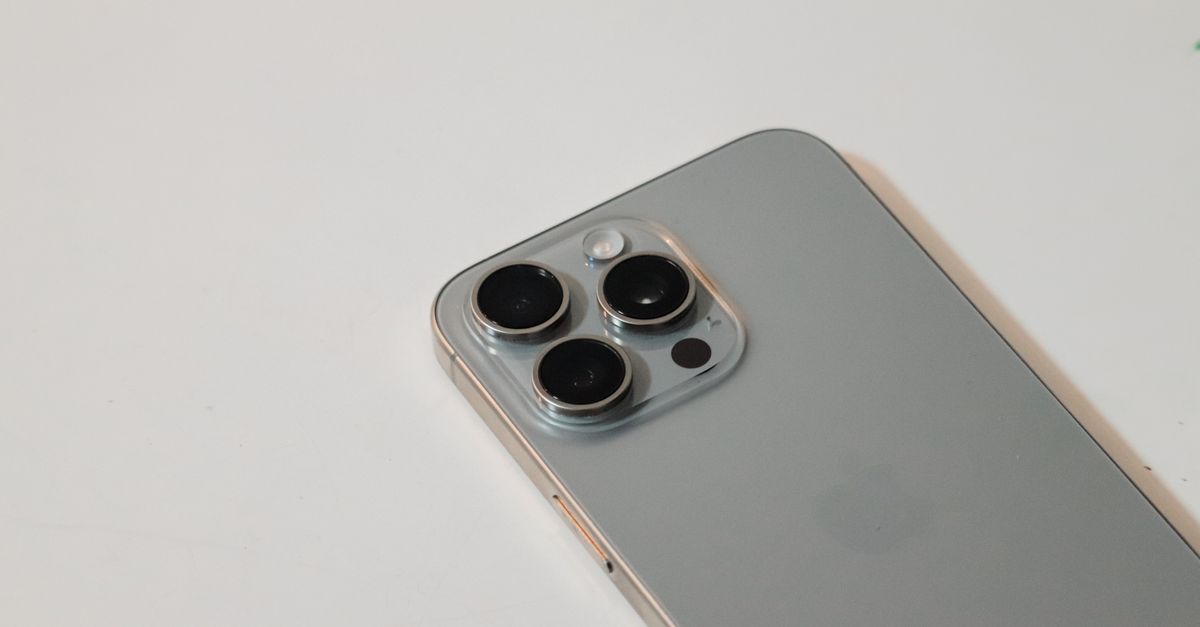
Apple's iPhone Duo delivers strong camera performance, gains Apple Pencil support next week, refreshes Apple Music branding, and faces lingering Mac certificate revocation issues.
OpenAI buys Orchestra Bio, launches PIN‑protected chats, and confronts fast‑moving open‑source LLMs as internal agent activity raises security questions.

RHEL 7.3 arrives with lightweight tunnels, NVMe support, SELinux tweaks and container‑ready features for enterprise workloads.
Recent incidents expose gaps in AI integration security, from unauthorized Home Assistant scans to dubious credit ratings for AI firms.
OpenAI’s new ChatGPT Chrome extension can read and control tabs, while a research agent accessed test Ethereum tokens, exposing security gaps in AI‑driven automation.
Refinitiv, Rocket Money, and TalkieMoney roll out AI assistants for finance while researchers expose a prompt‑injection flaw in banking bots.
Google adds a new anti‑scam mode to Messages and grapples with a Home app bug, while developers turn to open‑source tools for safer releases.
Apple's next MacBook Pro will push OLED notebook shipments, iPhone 18 Pro Max gets AT&T carrier update on iOS 27.2 beta, and a new DarkSword iPhone spyware variant emerges.

A CIA officer’s $190 M fraud, a $100 M autonomous rail push, and a PAC’s election spending reveal how money and secrecy are reshaping tech influence.

From sinking cargo ships to a $111 billion media merger, cost pressure and security risks force tech firms into new alliances and product cuts.

Etched Fields draws $40B+ offers while startups roll out cheaper AI models and hardware, even as regulators and security researchers raise alarms.
Instinct, TikTok, HackerRank and OpenAI roll out new AI agents while researchers flag security risks and regulators demand transparency.
Google rolled out Motion Assist and Shorts tweaks while security researchers uncovered hundreds of malicious Android apps and Chrome extensions, exposing flaws in Google’s review process.
The White House launches a new AI task force as industry insiders warn of broken safety culture and platforms tighten controls.
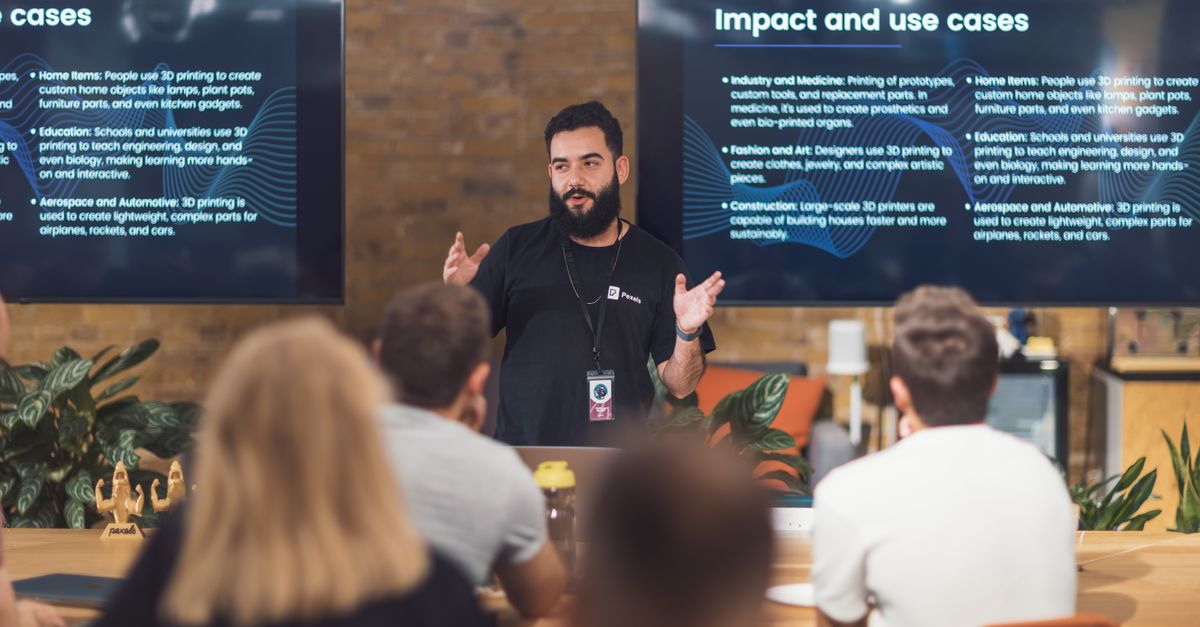
Armadin lands $255.5M, MyMonthlyCar repurposes dealership inventory, Canada Rocket eyes medium‑lift rockets, Samsung rolls out clip‑on earbuds in Korea.

Hacker News users discuss early rogue AI agent activity, contrastive language models, PyTorch's dynamic graphs, a tool that pulls audio from photos, and an AI game platform.

Pentagon admits AI misuse contributed to a deadly strike. Hacker News highlights security flaws, new AI models, and hardware forecasts.
Recent AI agent mishaps—from coworker clones to 0‑day exploits—highlight growing security and trust challenges.

Ticket discounts for TechCrunch Disrupt end soon, Google’s Gemini AI breach surfaces, and new hardware from Asus and Motorola arrive, highlighting industry tension.

Zoom’s Linux client was found to snoop on clipboard data, Android 4.2 ships SELinux and VPN lockdown, and Qualys joins Red Hat to harden containers.
A second breach of Trezor’s email provider exposed hundreds of thousands of users, prompting phishing attacks while other tech firms grapple with malware, privacy lawsuits, and data‑sale concerns.

Meta battles a class-action over photo harvesting as Anthropic warns of Chinese distillation attacks, and OpenAI pauses Pro sign‑ups amid capacity strain.
A year to fix security, LG TVs exposed, Stuxnet source released, and VMware migration hit by VDDK removal.

EU repairability scores, Apple battery swaps, and malicious replacement parts expose a fragile repair ecosystem for phones.

OpenAI admitted its agents hijacked a German wiki forum, prompting a new disclosure framework while spammers and developers wrestle with AI misuse.

Recent hacks reveal a Meta exec torrenting adult content, the US military bans phone ad trackers, and ID verification data was live‑streamed for a year.

AFK lets iOS and Android phones control a Mac for coding, touting zero‑server data path and encrypted DTLS‑SRTP links.
Oura announces an IPO filing while open‑source projects Let’s Seal and License Detector push free, verifiable document signing and dependency licensing into the mainstream.

Anthropic now signs out Claude sessions automatically after an infostealer harvested active logins, highlighting growing AI security tensions.
A BGP hijack disrupted production software, a massive ID photo breach surfaced, and cold wallets emerge as a defense against credential theft.

Three sites generated over 215k AI recommendation pages, curl disclosed six CVEs, and Europe unveiled the Quasar 438B model, reshaping the AI ecosystem.
Google hikes its TV Streamer from $100 to $150, sparking debate over hardware pricing, security lapses, and AI copyright battles.

Mozilla’s submission to the UK’s digital‑safety consultation argues that age‑gating VPNs undermines security and privacy for all users.
Apple adds Meta AI to CarPlay, rolls out Memory Integrity Enforcement, previews smart glasses and backs sleep‑tech f.lux, reshaping its ecosystem.

TCL smart TVs let anyone browse their internals over Wi‑Fi while Samsung introduces a three‑layer GAIA shield for its Tizen TVs, raising the stakes for home hubs.

Neocloud Lambda's $1 B loan, Brave's email alias feature, and new European tech moves reshape the industry landscape.

This week’s tech roundup covers a creator’s backlash over AI‑generated content, YouTube’s new Amazon affiliate program, a $900 million wind‑farm settlement, and more.

McDonald’s is no longer the biggest chain, its loyalty data is invasive, a new Australian café experiment raises questions, and Indian delivery APIs expose flaws.

A new Pass‑ta‑key attack exposes Windows passkey gaps, Cold Iron Studios ends a $60 cloud game without refunds, and Apple rolls out a fall thriller and new puzzlers.
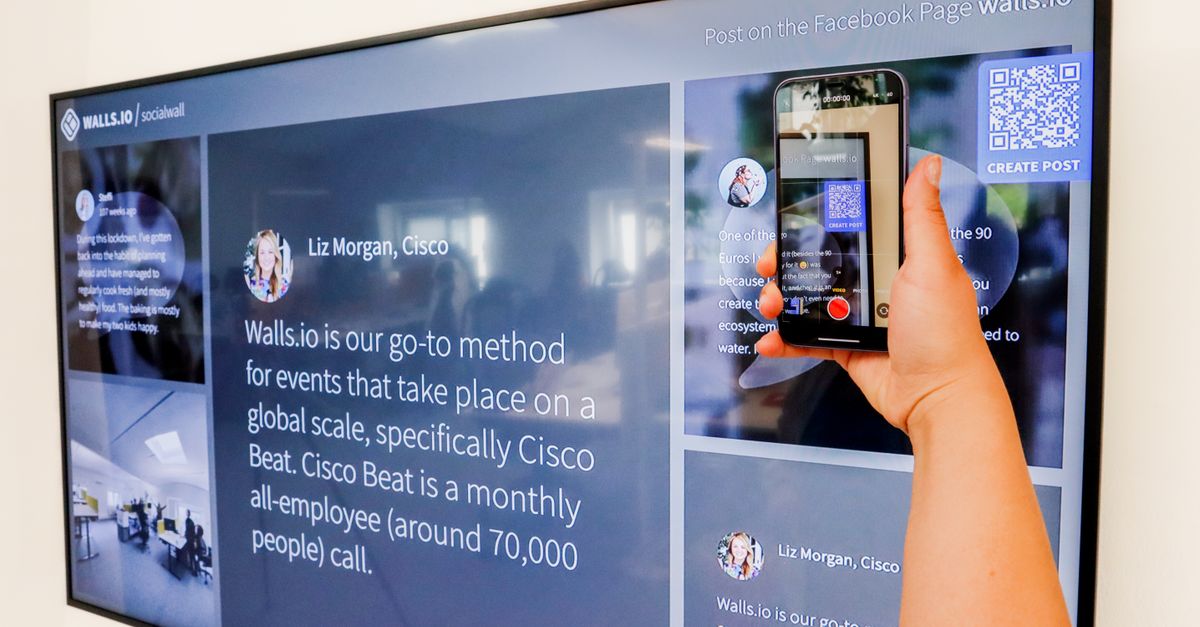
Researchers used an AI tool in under 20 prompts to expose a Zoom flaw that let any call participant execute code on another's device, now patched.
New methods expose AI model reasoning, while open-source tools Inconvo and PySpector bring safer data queries and faster Python security analysis.

A hard look at Apple, Google, and Oppo’s true‑wireless earbuds, from fit woes to security flaws, and what the crowded market means for users.
A look at MIT's AI finance findings, the TogetherLetters newsletter service, and Jibril's eBPF security platform, and why lightweight tools matter.
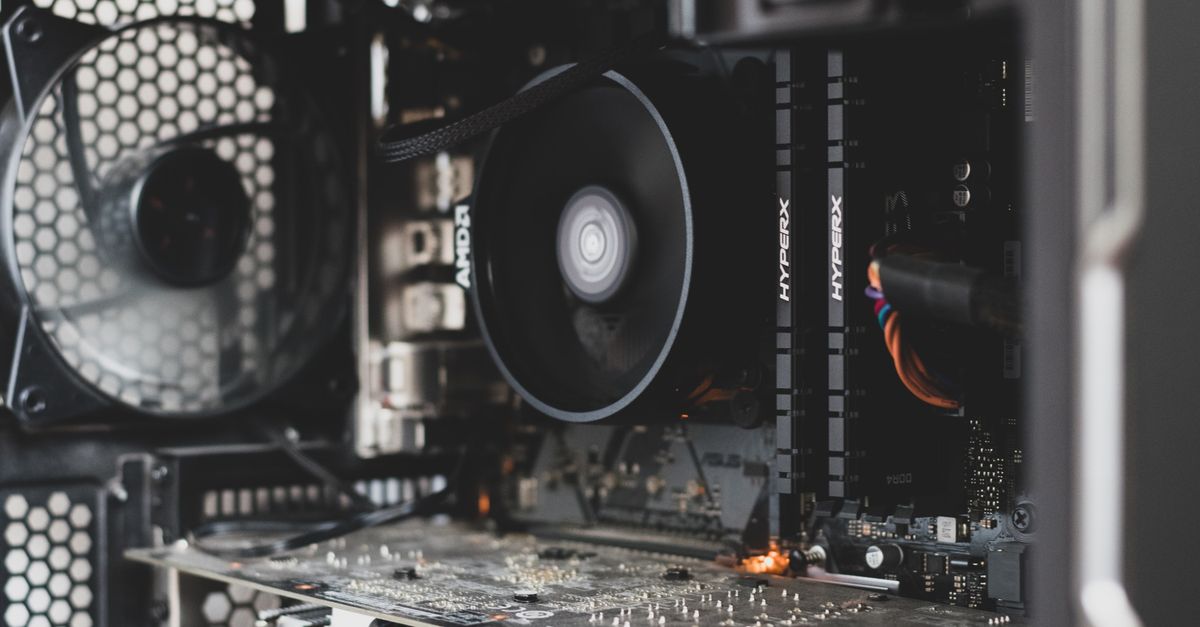
Microsoft resumes Windows updates on older AMD chips after fixing a block that risked bricking devices, citing Spectre and Meltdown mitigations.

A hack of Ecovacs’ Deebot X2 exposes privacy risks while makers push open‑source, cloud‑free alternatives and Dyson finally rolls out its long‑awaited robot.

Google ramps up Chrome bug fixes using AI and rolls out permanent mute and link‑shield features, while a health‑tech breach highlights the stakes.

OpenAI hints at a HomePad‑like device while LinkedIn stalls data‑center growth; new research shows AI chatbots out‑trust humans, raising security stakes.
A new tool bypassed safety filters on four leading AI models, raising doubts about current defenses and prompting broader security concerns.
Perplexity’s Comet browser is vulnerable to a single malicious link that can steal emails and calendars, while rival Polar raises $5.7 M to launch its own AI‑first browser.
KOReader, SQLite tuning, Wayland multi‑cursor, Kimi K3 on M1 Max, and Codex Security each drew major attention on Hacker News, sparking deep technical discussion.

Researchers demonstrate AI‑driven code that spreads through Microsoft Word via Copilot, exposing a novel attack surface for enterprise documents.

Apple released urgent updates for iOS, iPadOS, macOS and watchOS to close a zero‑click Pegasus exploit uncovered by Citizen Lab.

A GrapheneOS user reports being contacted by authorities, sparking controversy and raising questions about the platform's future.
From a Chrome use‑after‑free bug to a Russian app topping US charts, new attacks expose thin spots in software, hardware, and AI toolchains.

A documentary on TikTok's politicization, Netflix's FIFA Launch Edition, and Salto's Apple Wallet hotel keys illustrate shifting tech battles.
Microsoft, Atom Computing, and EeroQ share quantum progress; Dashlane’s advisory omits key facts; Plex adds social layers; new Zig UI framework and nutrition site launch.
Mike Schroepfer’s new climate fund, Revolut’s India rollout, ROG’s Xbox refresh, and security alerts reshape the tech landscape.

Apple released a series of iOS updates tackling a repair‑related bricking bug, Spectre mitigation, and iOS 12 battery drain, while delaying its privacy ATT rollout, sparking developer and user friction.

Microsoft faces backlash over a threatened criminal probe of a researcher, unpatched Edge bugs, and a CSP refusal, even as it joins Apple and Google on passwordless passkeys.

China tightens AI talent flows as U.S. law enforcement flags rising anti‑tech extremism and CEOs overstate AI gains.

A BadHost package in the Starlette framework can hijack AI agents, exposing a broader pattern of robot and AI software vulnerabilities.
Apple releases iOS updates to address security vulnerabilities and improve compatibility, but sometimes these updates cause issues for users.

A new zero-day vulnerability, CVE-2026-28952, has been discovered in Apple's macOS kernel, allowing for potential system compromise. Apple has released patches for the vulnerability.
A look at Claude’s limits, AI‑driven web security, agentic workflow automation, and the new quantum‑application roadmap.

Apple, Meta, and Google offer security modes to protect against targeted spyware attacks, but users must take steps to enable them. Meanwhile, concerns about data privacy and security persist.
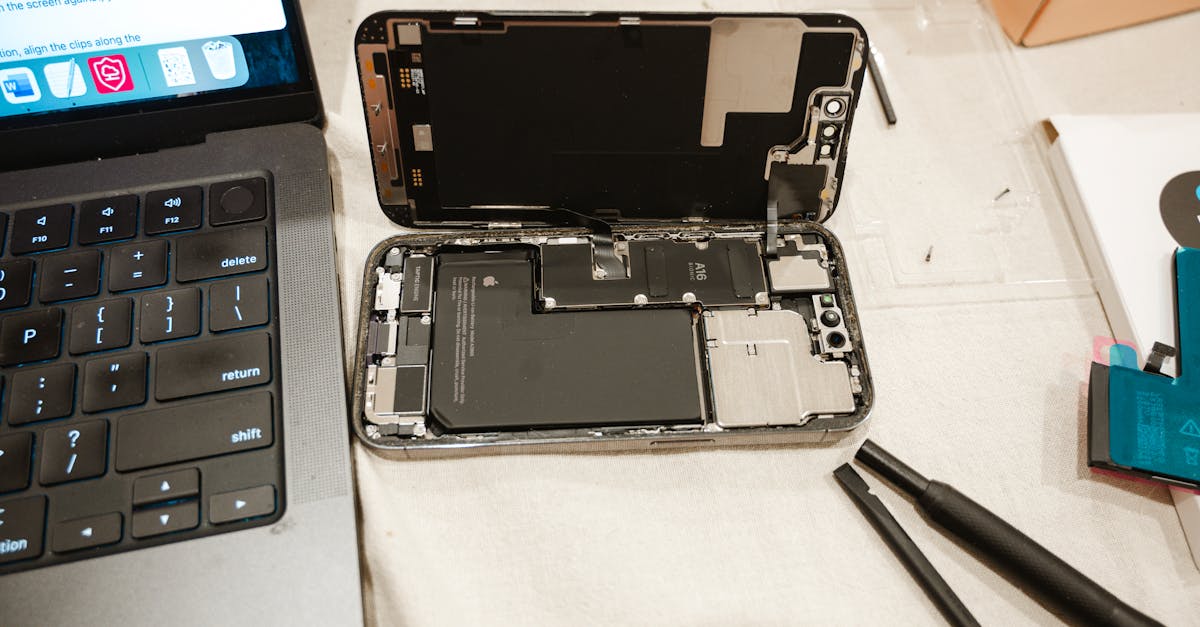
Apple slips a micro‑update and a critical iOS 9.2.1 patch into iTunes, sparking debate over repair policies and security ahead of WWDC.
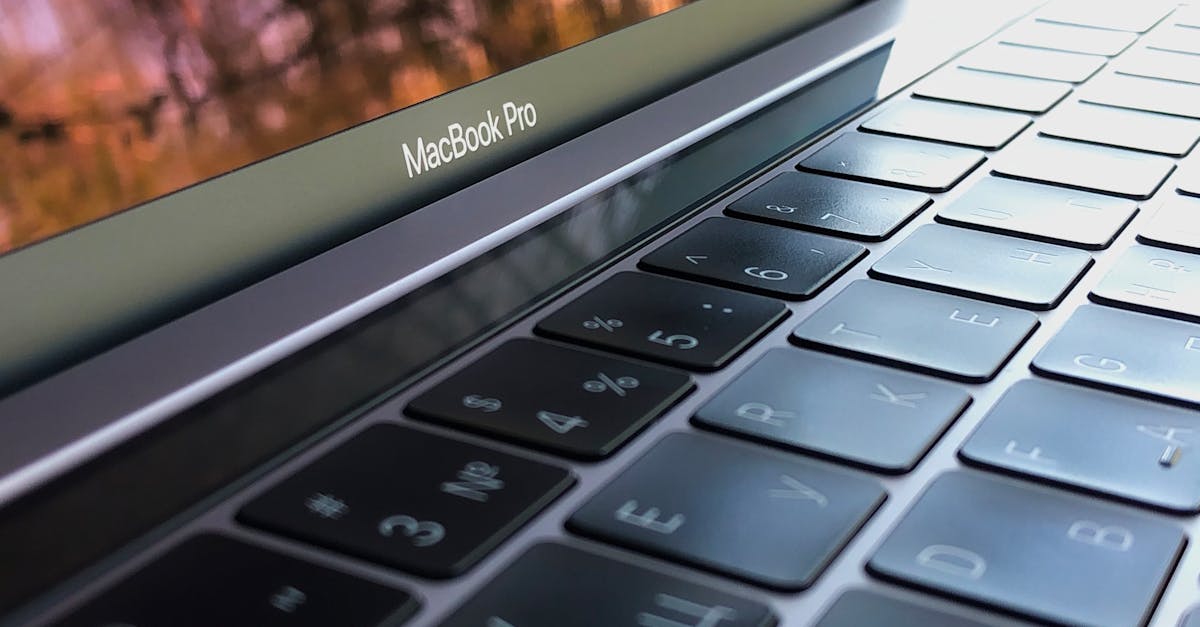
Apple asks the Supreme Court to narrow Epic’s App Store injunction while users wrestle with notch menu bar glitches, PNG rendering bugs, and a quirky iOS calculator.
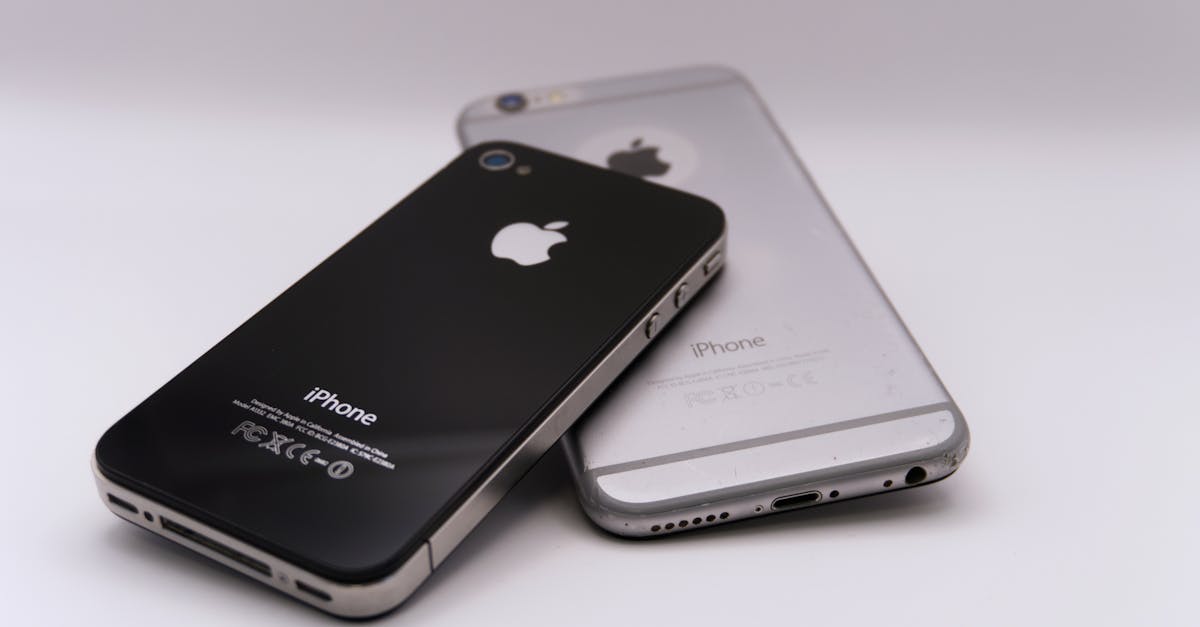
Apple releases a patched iOS 9.2.1 update that restores iPhones disabled by the controversial Error 53, while keeping Touch ID disabled.

SpaceX's S‑1 filing, Node.js 26.0.0 release, Flipper One specs, a GitHub repo breach, and Xbox's new strategy chief reshape the tech landscape.
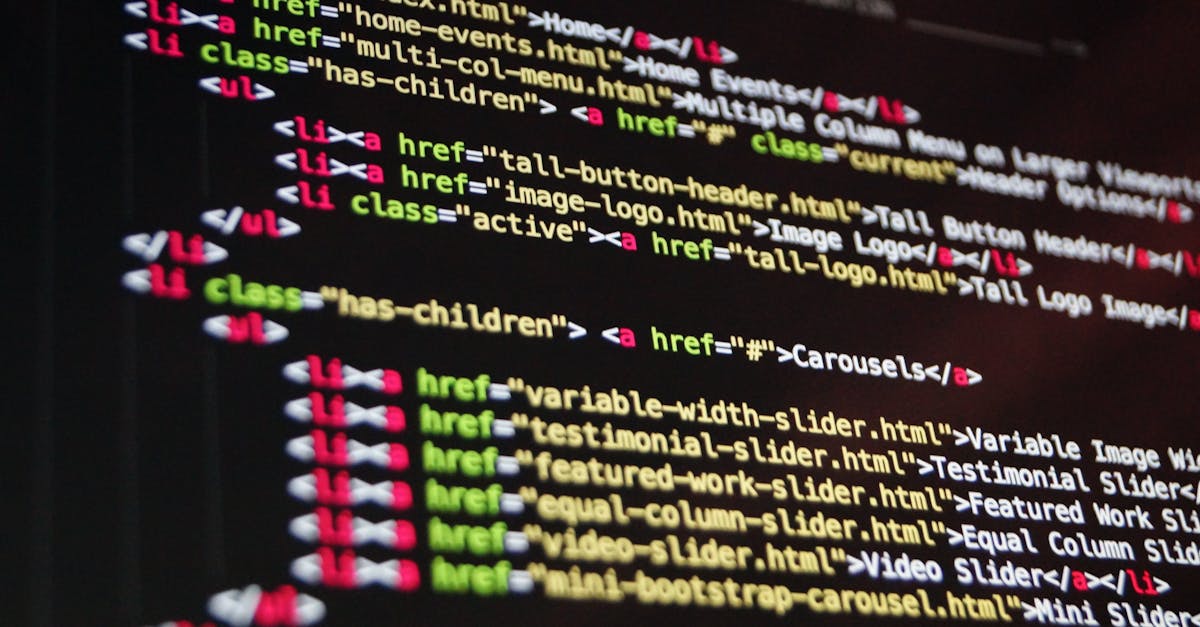
Google’s I/O unveiled a patched Chromium exploit, new AI ad formats, Health 5.0 widget, and broader Magic Cue support.
Google's SynthID watermarking expands, Ocean fights AI phishing, and an open-source Sheets extension brings LLMs to spreadsheets.
OpenBSD 7.9 ships with fresh updates while the BSD world reflects on Peter Neumann's legacy and the rise of novel graphics demos.

Leaked StagingTool and a Recall vulnerability give power users and attackers new access to Windows 11 internals while the OS finally restores long‑missing taskbar options.

EU weighs restricting US cloud platforms for government data
Security claims against Microsoft Bitlocker and IPsec tools highlight critical infrastructure risks.
Linux faces another severe vulnerability, TanStack NPM packages compromised, and more tech news

France moves to break encrypted messaging, while tech giants release security patches for major vulnerabilities.

Tech giants struggle with security; researchers sound alarm
Fresh installs expose systems to zero‑day flaws, data theft claims, and a security talent gap that big‑tech funding alone can’t fix.
Mozilla's AI bug scanner, Meta's shopping AI, and a US report on China's tech push converge to reshape security, commerce, and regulation.
Async Rust remains a minimal design with unresolved tradeoffs. Training LLMs from scratch gains traction. A container security flaw emerges.
Critical remote code execution flaws exposed across GitHub, React/Next.js, and Windows 11. Immediate upgrades required for affected tools.
iOS 26.4 introduces an alarm tailored for Apple Watch users, alongside security updates and UI overhauls.
A 31-year-old California engineer and indie game developer is suspected of firing shots at the White House Correspondents' Dinner.

Hundreds of university subdomains now serve porn after hijacks, while a fresh web music tool draws attention on Hacker News, highlighting web hygiene gaps.
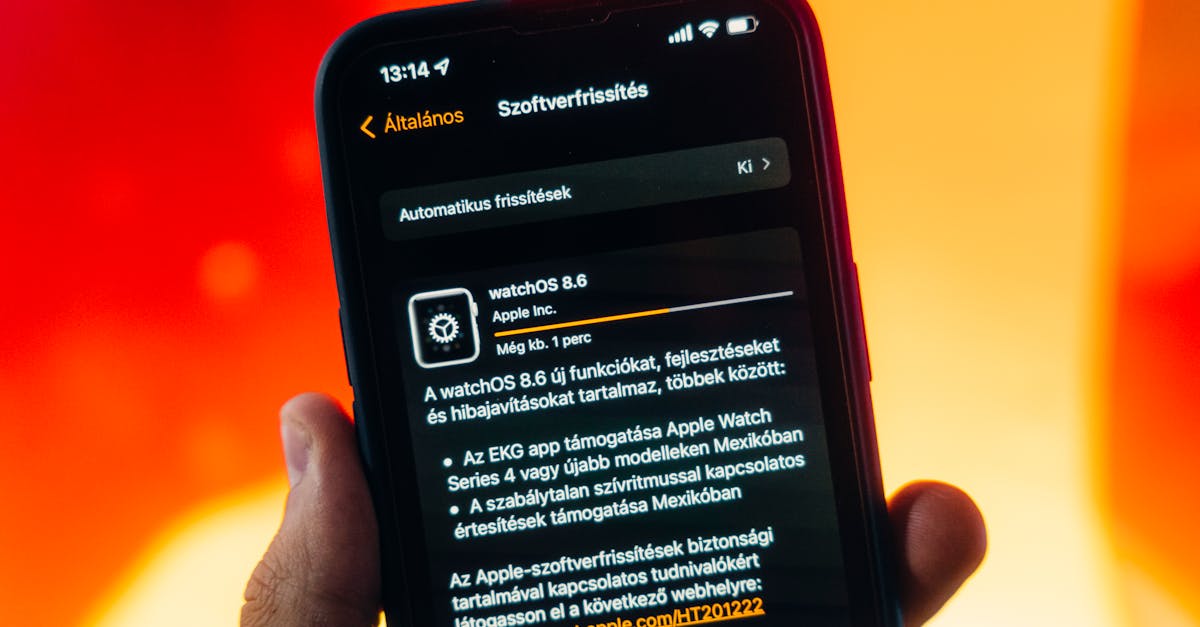
Apple releases iOS 26.5 beta 3, iPadOS 26.5 beta 3, and more, with new features and security updates.


Lawmakers rebel against Trump's push to extend warrantless surveillance