

Fast‑Charge Cells, Falling Costs

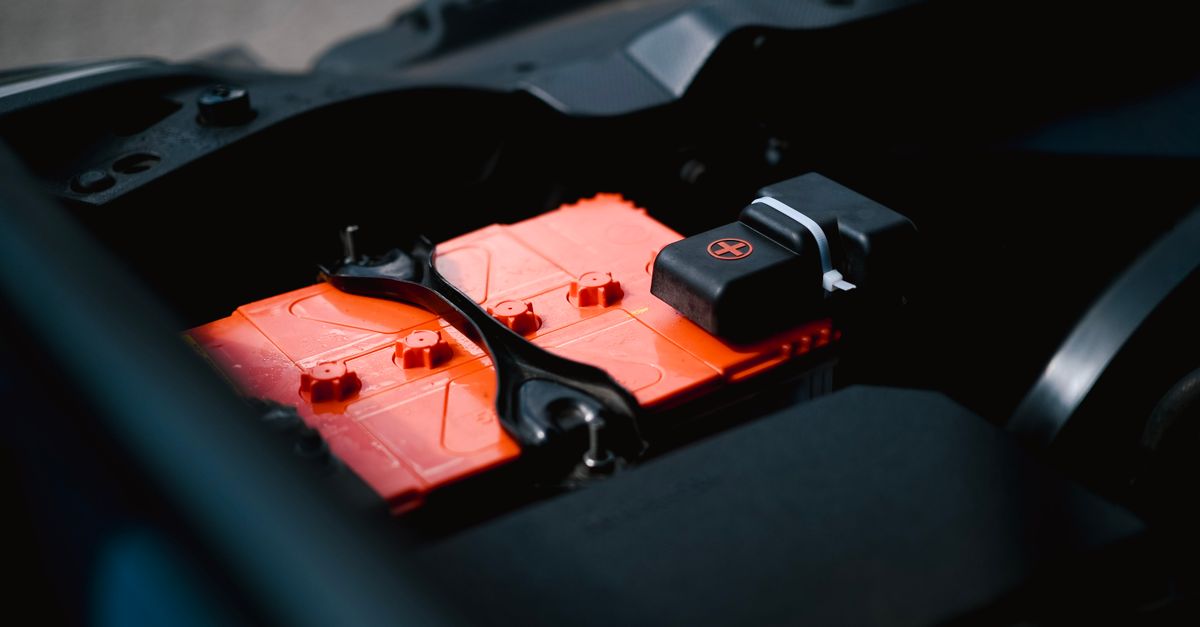
Photo by Ayyeee Ayyeee on Pexels
Enovix shatters the fast‑charge barrier
Enovix demonstrated a silicon‑anode cell that jumps from 0% to 80% state‑of‑charge in 5.2 minutes and tops 98% in under ten minutes. The result exceeds the United States Advanced Battery Consortium (USABC) target of 80% charge in 15 minutes.
The 0.27 Ah EV cells use a 100% active silicon anode and a 3D architecture that the company says preserves cycle life. In testing the cells survived more than 1,000 cycles while retaining 93% of their original capacity. Harrold Rust, Enovix co‑founder, CEO and president, framed the milestone as a step toward mass adoption of electric vehicles. Ashok Lahiri, co‑founder and CTO, added that the architecture solves the four technical problems that usually plague silicon anodes.
USABC’s broader targets include a usable energy density of 550 Wh/L, a temperature range of –40 °C to +66 °C, and a cost ceiling of $75/kWh at an annual output of 250,000 units. Enovix did not disclose whether its demo meets those ancillary metrics, but the fast‑charge claim alone aligns with many OEM roadmaps.
Battery costs tumble, yet the $100/kWh cliff remains a rallying point
The International Energy Agency’s Global EV Outlook 2016 notes that battery pack prices fell from about $1,000/kWh in 2008 to $268/kWh in 2015 – a 73% reduction in seven years. The study attributes the drop to technology learning, research and development, and mass production.
General Motors announced that its 2016 Chevrolet Bolt achieved a pack cost of $145/kWh by October 2015 and set a goal of sub‑$100/kWh by 2022. Tesla’s internal target, cited by HybridCARS, is to break the $100/kWh barrier by 2020. Both automakers see the threshold as pivotal for affordable long‑range EVs.
The same IEA report highlights the market impact: global EV registrations passed the one‑million mark in 2015, closing the year at 1.26 million, a ten‑fold increase from 2010. New registrations rose 70% between 2014 and 2015, with 550,000 vehicles sold in 2015 alone. Norway’s market share reached 23%, the Netherlands approached 10%, and China’s sales outpaced the United States.
Charging infrastructure kept pace. Publicly accessible chargers grew 71% in 2015, and fast‑charger counts jumped 63%. The total supply equipment rose to 1.45 million units, up from 820,000 the year before. The expanding network mitigates range anxiety, but the cost of the pack remains the dominant barrier.
India removes the battery price sticker from EV sales
India’s Ministry of Road Transport and Highway (MORTH) has cleared all states and union territories to register and sell electric vehicles without pre‑fitted batteries. Batteries typically represent 30‑40% of an EV’s upfront cost, so the policy aims to lower the entry price for consumers.
The Society of Manufacturers of Electric Vehicles reports a 20% rise in EV sales during the 2019‑20 fiscal year, driven largely by two‑wheelers. By decoupling the battery from the vehicle at point of sale, the government hopes to stimulate broader adoption, reduce oil imports, and create jobs in a nascent industry.
The move does not dictate a specific battery standard; instead it invites third‑party providers to offer leasing or swap services. That model could dovetail with fast‑charge advances like Enovix’s, allowing owners to replace a depleted pack in minutes rather than waiting for a charge.
The thermal management gap that still haunts EVs
Electric cars rely on large battery packs that must stay cool under load, according to Engadget. The article notes that high discharge rates and rapid charging generate heat that can degrade cells if not properly managed. While the source does not detail specific cooling methods, it underscores that thermal control is a prerequisite for the performance gains highlighted elsewhere.
Without effective cooling, the fast‑charge cycles demonstrated by Enovix could accelerate degradation, especially in extreme climates. The USABC temperature range of –40 °C to +66 °C hints at the operating envelope manufacturers must design around. As battery chemistry evolves, thermal solutions will need to keep pace to preserve cycle life and safety.
What to watch next
Track Enovix’s upcoming presentation at the 12th International Advanced Automotive Battery Conference in Mainz for data on energy density and cost targets. Monitor Tesla’s 2020 $100/kWh milestone and GM’s 2022 sub‑$100 goal, as they will signal whether the cost cliff is truly falling. In India, watch for the first batch of battery‑free EV registrations and any emerging lease‑or‑swap platforms that could capitalize on the policy shift. The convergence of rapid charging, falling pack prices, and flexible ownership models could reshape the EV market within the next two years.
Related Articles

GM rolls out new central computer for 2028 Escalade IQ
GM's fourth‑gen EV platform adds a central computer and new electrical architecture, aiming to keep pace with Tesla, Rivian and Chinese rivals.
Porsche EV, Projector, Smart Glasses: Tech Shifts in 2026
A look at Porsche's 630‑hp electric Macan, a cinema‑challenging projector, lingering privacy worries in Ray‑Ban Meta glasses, Meta's AI‑focused TOS, and the latest Windows and Android laptops.
Ambrosia's Texas Battery Plant and a Week of Unusual Gadgets
Ambrosia Energy's 10 GWh factory signals a shift for off‑grid data centers while new consumer tech from Formlabs, Breville, JackRabbit, and Nothing lands on desks and kitchens.