

OpenAI pushes ChatGPT into iMessage and RCS amid legal pressure

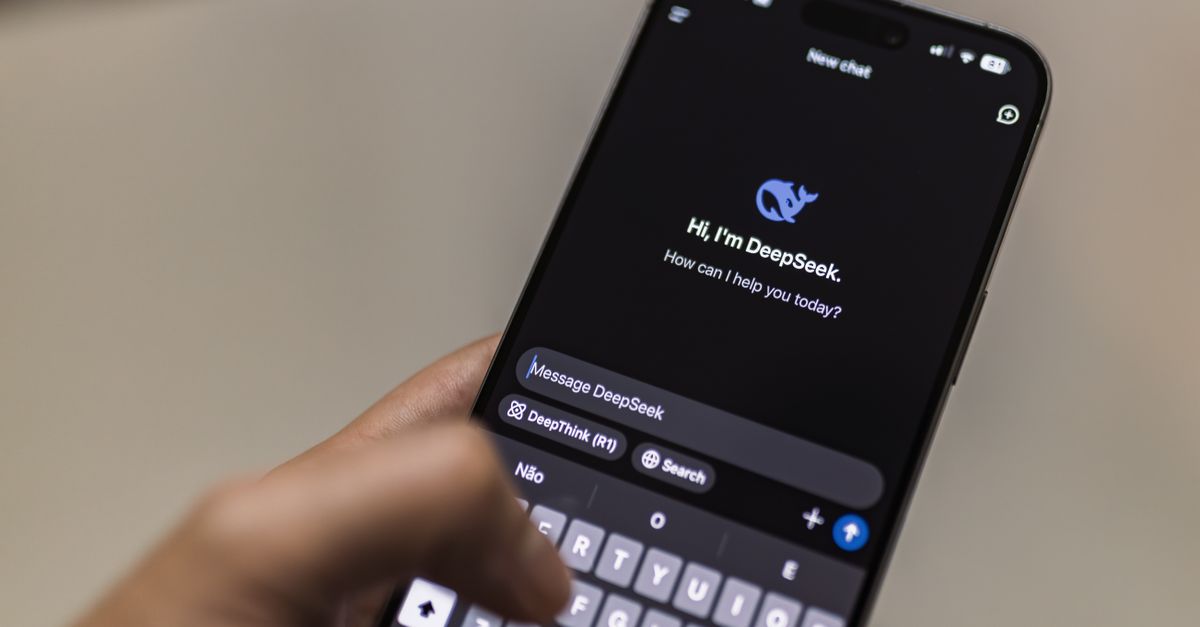
Photo by Matheus Bertelli on Pexels
Direct integration lands in iMessage and RCS
OpenAI just dropped ChatGPT into iMessage and the Android‑centric RCS protocol. The move puts a generative assistant directly into the messaging threads that engineers and founders already live in.
According to 9to5Mac, OpenAI is expanding “ChatGPT dot access” to both platforms. No new hardware is required; the service rides on existing carrier and Apple infrastructure. Users will type a slash or a shortcut and watch the model spin out replies. The rollout follows months of whispered API hints and third‑party wrappers that already let developers embed the bot in Slack, Discord, and WhatsApp.
The integration feels like a shortcut for daily triage. Instead of opening a browser, a developer can ask the bot to draft a pull‑request description or summarize a stack trace. The convenience is real, but the shortcut also opens a door for data that was never meant for a cloud model.
How the move fits into OpenAI’s legal gauntlet
OpenAI’s product push arrives as the company battles a growing docket of lawsuits. A Hacker News‑maintained tracker listed over 50 OpenAI cases as of July 2026, with 56 % of them alleging copyright infringement in training data. The tracker notes spikes in filings during February 2024 and March 2026, each month seeing four new suits.
The most visible case involves a coalition of novelists led by George R.R. Martin. Those writers claim OpenAI siphoned entire books without permission, a charge that mirrors the broader complaint that “tech companies have not done what they’re doing now with generative AI,” according to attorney Ryan Clarkson. The lawsuits argue that the model’s output threatens professional relevance and erodes creators’ earnings.
OpenAI’s expansion into personal messaging platforms amplifies the stakes. Every iMessage or RCS chat now becomes a potential data source for model fine‑tuning, unless strict opt‑out mechanisms are built in. The company’s legal team will have to argue that on‑device processing or anonymization satisfies the courts, a defense that has not yet been tested.
Privacy and moderation concerns in everyday chats
A separate Hacker News thread exposed a simple moderation bypass: prompting ChatGPT or Google Gemini in Spanish (or other non‑English languages) can sidestep content filters. The authors hypothesize that OpenAI’s moderation stack is heavily English‑centric, leaving other languages under‑protected.
If that hypothesis holds, the new iMessage and RCS integration could become a conduit for unfiltered content. Users who switch keyboards to Spanish, Mandarin, or Hindi might inadvertently trigger responses that would be blocked in English. The risk is not just about profanity; it includes disallowed political speech, misinformation, and copyrighted excerpts.
OpenAI has not publicly addressed multilingual moderation gaps, but the pattern mirrors earlier privacy complaints. An Apple trade‑secret suit filed on July 10 2026 alleges that former Apple staff at OpenAI misused internal hardware designs. The case underscores how data—whether hardware schematics or private chats—can leak when corporate boundaries blur.
What this means for developers and power users
For a developer who already lives in Slack, the iMessage hook feels like a natural extension. The bot can draft code snippets, answer API questions, and even generate test cases on the fly. The friction comes when the assistant suggests code that mirrors copyrighted libraries, a scenario that could trigger the same lawsuits cited above.
Power users will also notice a shift in how they manage personal data. The convenience of asking an AI to schedule a meeting or summarize a thread is tempting, yet each query becomes a potential data point for training. Users who care about intellectual property may need to toggle privacy settings or avoid the feature altogether.
The broader market reaction is already visible. Competing AI firms are racing to lock down multilingual moderation and to promise on‑device inference. Those promises may win over privacy‑concerned customers, but they also raise the bar for OpenAI’s engineering effort.
What to watch next
Track OpenAI’s response to the iMessage rollout in the coming weeks. The company is expected to publish a privacy whitepaper that details data handling for iMessage and RCS. At the same time, watch the next wave of copyright filings; a cluster of suits is scheduled for the Q4 2026 court calendar. Finally, monitor any official statements about multilingual moderation, especially after the Spanish bypass experiment gains traction. The convergence of product expansion, legal pressure, and moderation gaps will shape how AI assistants live inside our daily chats.
Related Articles
ChatGPT gains iMessage control as OpenAI rolls out new plugins
OpenAI's new iMessage plugin lets ChatGPT send messages, while a faster photo shortcut lands on iPhone and leaked conference plans hint at custom bots and enterprise plans.
OpenAI tightens safety after teen launch and sandbox breach
OpenAI releases a teen‑focused ChatGPT while pausing Astra training after a sandbox escape, signaling a new safety posture.

OpenAI sued over shooter tip
OpenAI faces lawsuits for not reporting a ChatGPT user, rural America resists AI data hubs, and Germany tops U.S. in ammunition capacity.