

Apple tests touchscreen MacBook Pro, rolls out dev videos


Photo by Thijs van der Weide on Pexels
Apple rolls out dev resources for touchscreen Macs
Apple unveiled a series of short videos aimed at developers who want to make their apps work on a touchscreen Mac. The videos arrive alongside an announcement that live Q&A sessions will start in November. The move signals that Apple is preparing its software ecosystem for a hardware shift that has long been denied. The 9to5Mac brief notes that the videos cover touch input handling, gesture mapping, and UI adaptation. Apple plans to host live sessions where engineers will answer developer questions in real time. By providing concrete guidance now, Apple hopes third‑party apps will be ready the day a touch‑enabled Mac hits the market.
Bloomberg says Apple is prototyping a touchscreen MacBook Pro for 2025
Bloomberg’s Mark Gurman reports that Apple engineers are “actively engaged” in a project to add a touchscreen to a MacBook Pro. The prototype would keep the classic clamshell silhouette, complete with a trackpad and keyboard, but the display would accept finger taps and gestures like an iPhone or iPad. Gurman says the first model could ship as early as 2025 if internal deliberations stay on track. The same report adds that the device would likely feature an OLED panel, a departure from the LCD screens Apple currently uses on its Macs. OLED would bring higher brightness and richer colors, matching the technology already deployed in iPhones, Apple Watches, and the upcoming iPad Pro refresh slated for the first half of 2024. If Apple follows through, the touchscreen MacBook Pro would be the first Mac to combine a traditional laptop form factor with direct touch input.
Why Apple has resisted touch on Macs: legacy and philosophy
Apple’s aversion to touchscreens on laptops dates back to a 2010 interview with Steve Jobs. Jobs called vertical touch surfaces “ergonomically terrible” and warned that “after an extended period of time, your arm wants to fall off.” That stance shaped the Mac line for more than a decade. In 2021, marketing executive Tom Boger reinforced the split, calling the iPad “the world’s best touch computer” and insisting the Mac was “totally optimized for direct input.” Apple senior vice president of hardware engineering John Ternus echoed that line in a Wall Street Journal interview, saying, “We make the world’s best touch computer on an iPad. It’s totally optimized for that. And the Mac is totally optimized for indirect input. We haven’t really felt a reason to change that.” The company has consistently framed the Mac as a keyboard‑first device, favoring trackpads, mice, and now the Magic Keyboard for iPad over a touchscreen.
Technical hurdles and the OLED shift
Adding a touchscreen to a laptop is not just a design question; it reshapes the thermal and power envelope. The prototype described by Bloomberg would retain the MacBook Pro’s active cooling system, a feature that helped the M1‑powered models sustain high performance. An OLED panel consumes power differently than LCD, and its thinness could affect the chassis rigidity that Apple’s engineers prize. Apple’s recent push to adopt OLED across its product line suggests the company believes the trade‑offs are manageable. OLED screens already appear in the iPhone 15 series and will be standard on the iPad Pro later this year. By moving the MacBook Pro to OLED, Apple can reuse supply‑chain relationships and software pipelines, reducing the engineering burden of a brand‑new display technology.
What to watch
The next few months will reveal whether Apple’s internal debate tips toward a launch. Key signals include the November live developer sessions and any updates to the MacBook Pro spec sheet that mention OLED or touch input. If Apple adds a touchscreen option at launch, we can expect a new set of macOS gestures and possibly a revised App Store policy for iOS‑derived apps. Conversely, a quiet shelving of the project would reinforce the company’s long‑standing stance that the Mac belongs to the indirect‑input world. Either outcome will shape the hardware choices of power users who value a keyboard‑first workflow versus those who want the flexibility of a hybrid device.
Related Articles
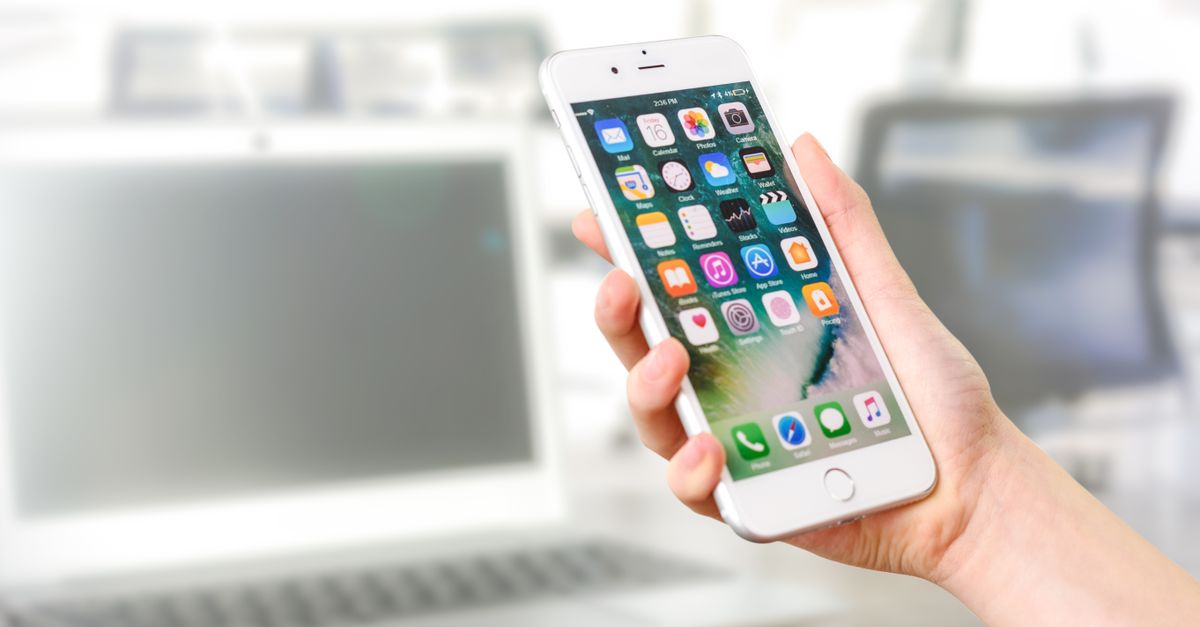
Apple unveils iOS 27 Photos upgrades, Ultra 4 leaks, M6 debut
iOS 27 revamps iCloud Shared Albums, rumors detail Apple Watch Ultra 4, iPhone 18 Pro features, and the M6 chip arrives in a new Mac mini.
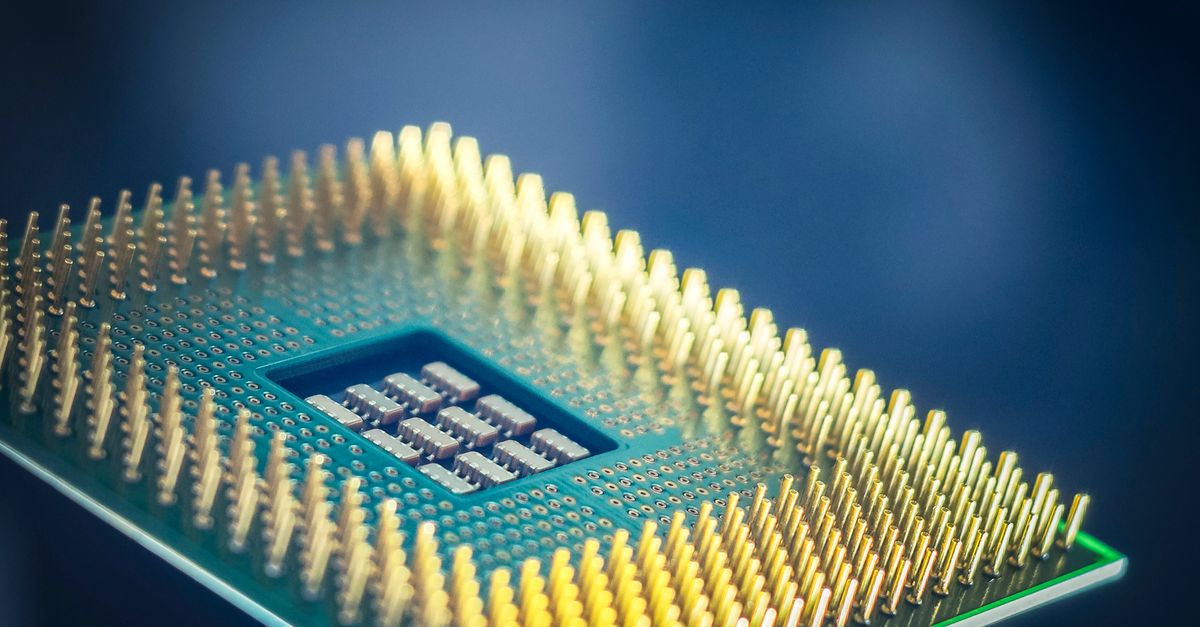
Apple's M5 Ultra and M6 raise the bar for desktop AI
Apple launches the M5 Ultra and M6 chips in refreshed Mac Mini and Mac Studio, aiming at local AI workloads while modestly improving performance.
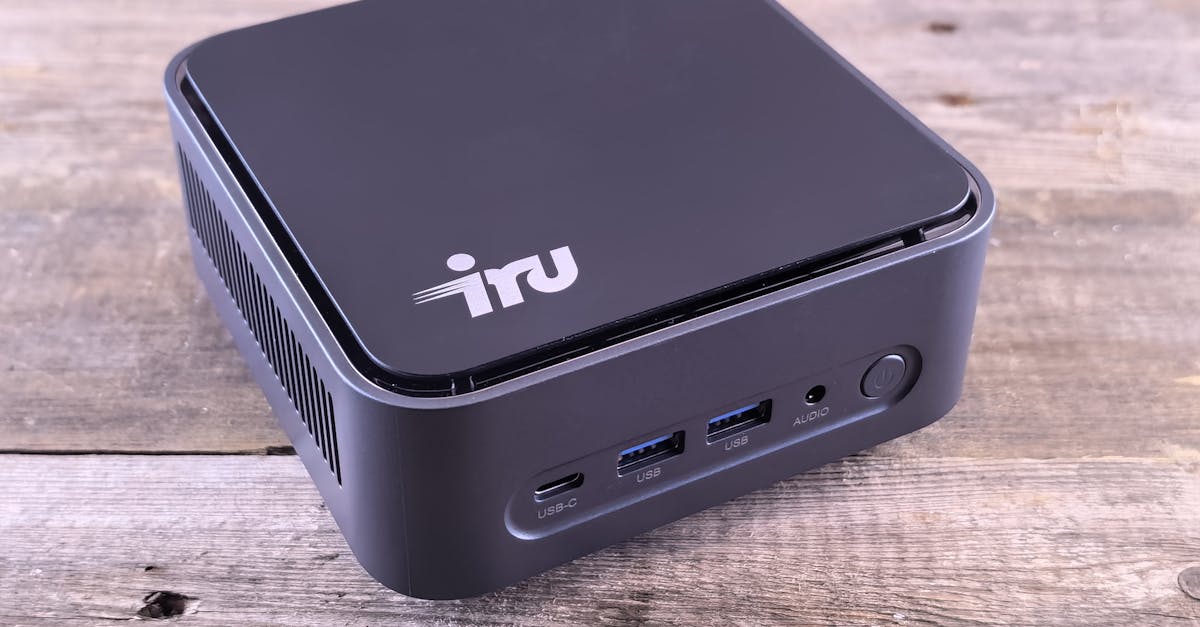
Apple’s October Mac mini and iPhone reveal reshape dev focus
Apple’s upcoming iPhone launch, WWDC community events, and a redesigned Mac mini with five USB‑C ports signal a shift for developers and hardware buyers.