

Airbnb gala, solar backup, Vulcan launch, space tourism returns


Photo by Luis Quintero on Pexels
Airbnb’s nonprofit gala sparks confusion
Airbnb’s nonprofit held its inaugural gala in Los Angeles on Wednesday. The event drew a single, bewildered reaction online: “what gala?”.
TechCrunch reported that the gathering was the first public celebration for the charitable arm of the home‑sharing platform. No agenda was disclosed, and the invitation list remained opaque. Attendees were left to wonder whether the gala was a fundraiser, a branding stunt, or a simple internal milestone. The lack of context fed the meme‑fuel that spread across social feeds.
The internet’s quick‑fire jokes underscore a broader tension between tech firms and their charitable initiatives. Critics argue that glossy events can mask shallow commitments. Proponents claim that any spotlight on philanthropy is a win. The Airbnb episode illustrates how a missing narrative can backfire in a culture that demands transparency.
Solar farms gain built‑in backup via stored heat
A new plant design now lets a solar power system run on stored solar heat or on combustion. The approach gives the installation a self‑contained backup without needing separate battery banks.
Ars Technica explained that the system captures excess heat during sunny periods and stores it in insulated tanks. When the sun sets or clouds roll in, the stored thermal energy can be released to generate electricity. If the heat store is depleted, the plant can switch to a conventional combustion source to keep the grid supplied.
The dual‑mode capability addresses a long‑standing pain point for renewable developers: reliability during night or inclement weather. By avoiding separate battery infrastructure, the design reduces capital costs and simplifies operations. However, the combustion fallback still emits carbon, so the overall emissions profile depends on how often the plant leans on that mode.
Industry analysts see the concept as a pragmatic step toward higher renewable penetration. It does not eliminate the need for storage diversification, but it offers a flexible bridge for projects that cannot afford large battery farms. The real test will be how the model scales across different climates and market regulations.
United Launch Alliance’s Vulcan returns with six solid boosters
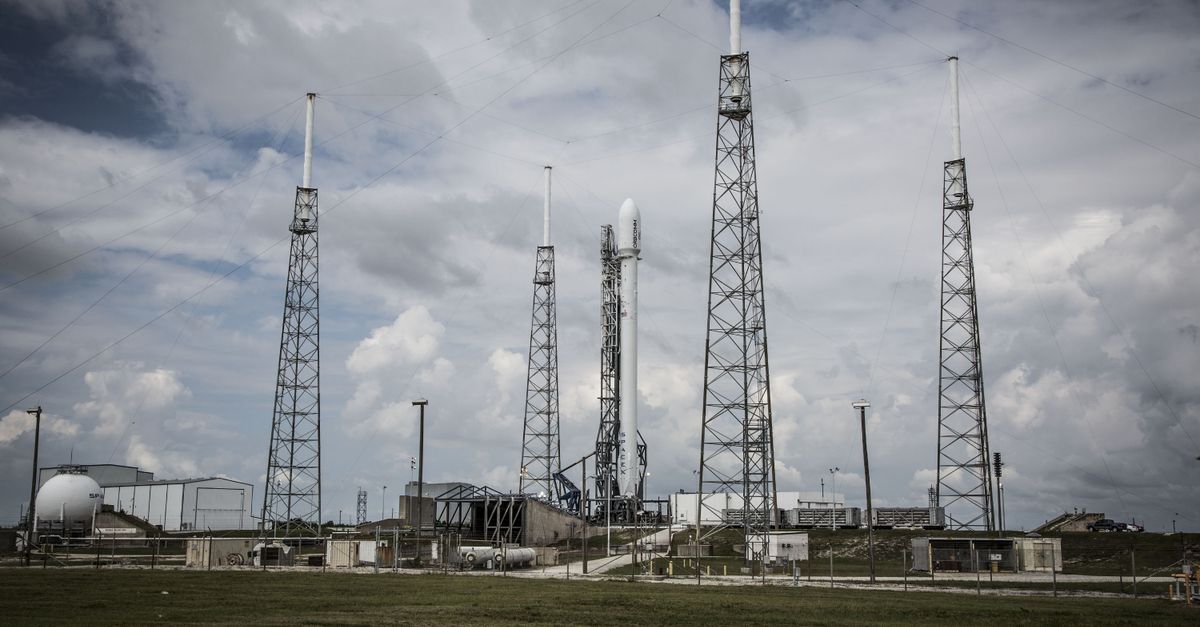
United Launch Alliance scheduled the Vulcan rocket to lift off on Friday the 13th. This launch will be the first to carry a full complement of six solid rocket boosters.
Ars Technica noted that the booster stack represents the rocket’s most powerful configuration to date. Each solid motor adds thrust during the first two minutes of flight, helping the vehicle reach orbit with heavier payloads. The decision to field all six boosters follows a series of test flights that validated the rocket’s core stage and engine.
The return to flight comes after a year‑long pause caused by a launch pad anomaly on a previous mission. ULA has addressed the issue by reinforcing the pad’s flame‑deflection system and updating the vehicle’s flight software. The upcoming mission will carry a classified national‑security payload for the Department of Defense.
If the launch succeeds, Vulcan will cement its role as ULA’s flagship workhorse, competing directly with SpaceX’s Falcon 9 and Falcon Heavy. A successful six‑booster flight also demonstrates the company’s ability to scale thrust on demand, a capability that could attract commercial customers seeking higher lift capacity.
Space tourism rolls onto an Arizona runway after a year‑long pause
A space‑tourism vehicle rolled onto a desert runway in Arizona this week. The move marks the first visible step toward resuming passenger flights after almost twelve months of inactivity.
Ars Technica reported that the hiatus began when a mid‑flight abort forced the industry’s only commercial sub‑orbital operator to ground its fleet. Safety reviews and hardware upgrades consumed the intervening months. The runway arrival signals that the vehicle has cleared those hurdles and is ready for flight‑test campaigns.
The location in Arizona offers a wide, isolated stretch of pavement ideal for high‑speed taxi tests and low‑altitude hops. Engineers will use the site to verify propulsion performance, thermal protection, and emergency‑ejection systems before seeking a launch license.
Stakeholders are watching closely because the sector’s credibility hinges on a safe return to service. Investors have warned that prolonged downtime erodes public confidence. A successful test series could restore momentum and attract a new wave of affluent travelers eager for a few minutes of weightlessness.
What to watch next
All four stories converge on a common theme: the gap between ambition and execution. In the coming weeks, watch for the Vulcan launch outcome and any post‑flight analysis from ULA. Follow the solar plant’s operational data to see how often it relies on combustion versus stored heat. Track Airbnb’s nonprofit communications for a clearer articulation of its mission after the gala backlash. Finally, monitor the Arizona test schedule; a successful flight will likely be announced at the next major aerospace conference. Each of these data points will reveal whether the hype surrounding these projects translates into lasting impact.
Related Articles
Tech, Tension, and Deals: Space, War, and Energy Moves in 2024
NASA seeks solid foreign deals, Ukraine scores a drone boat kill, Bill Gates backs 21 energy startups, and Kairos Power lands $100M for a 50‑MW reactor for Google.
German Rocket Spectrum Reaches Orbit from Norway
Isar Aerospace’s Spectrum rocket completed its maiden flight from Andøya Space, giving Germany its first private orbital launch from European soil.

Europe’s BepiColombo nears Mercury as US space rhetoric spikes
Europe’s eight‑year BepiColombo cruise reaches Mercury while US officials stir diplomatic tension; European launch startups chase fresh funding.