

Tech, Tension, and Deals: Space, War, and Energy Moves in 2024

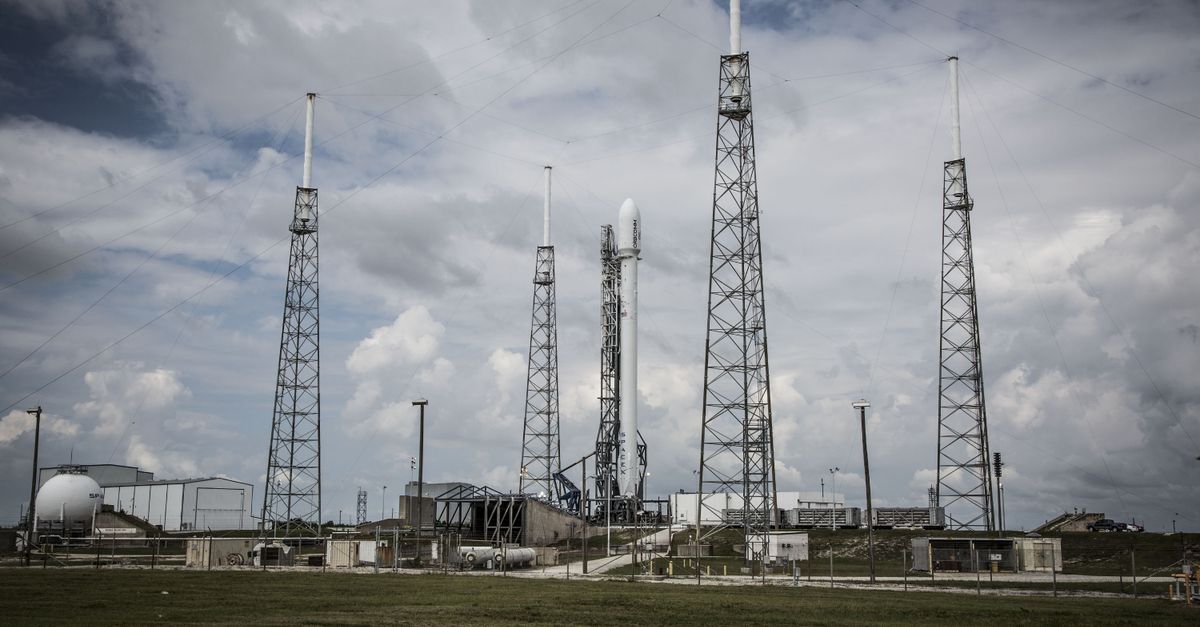
Space Deals Under Scrutiny
The head of NASA told investors he will only sign “good deals” with foreign partners. The blunt stance marks a shift from a period when the agency tried to appease every stakeholder. “There was absolutely a time where we were trying to make everyone happy,” the chief said in a recent briefing.
The comment arrives as the United States tightens export controls on satellite components and as the agency negotiates joint missions with Europe and Japan. Critics argue that a stricter bargain‑or‑break approach could stall collaborative science, but supporters say it protects taxpayer money and national security. Either way, the tone signals that future launches may hinge on clear cost‑benefit calculations rather than diplomatic goodwill.
Ukrainian Drone Boat Wins a Black Sea Skirmish
A Ukrainian naval drone sank a Russian kamikaze drone boat in the contested Black Sea corridor. The encounter, reported by defense analysts, illustrates how unmanned surface vessels are reshaping littoral combat. Ukraine deployed a remotely piloted boat equipped with a small explosive payload; the Russian counterpart, designed to crash into larger ships, was destroyed before it could threaten a cargo vessel.
Both sides continue to field cheap, expendable drones to harass each other’s ports and shipping lanes. The incident underscores the growing reliance on low‑cost autonomy in a conflict where traditional warships are scarce. For engineers watching the fight, the lesson is clear: cheap swarm tactics can yield strategic effects without the expense of a full‑scale fleet.
Bill Gates’ Energy Bet: 21 Startups to Watch
At a Breakthrough Energy summit, Bill Gates highlighted a roster of 21 startups that he believes will shape the next wave of decarbonization. The investors were reminded that the upcoming surge in electrification will make current data‑center power use look modest. While the list was not disclosed in detail, Gates emphasized firms working on advanced battery chemistries, carbon‑capture reactors, and grid‑balancing software.
The emphasis on “future‑proof” technologies reflects a broader investor sentiment: the climate‑tech market is moving from pilot projects to commercial scale. Gates’ backing provides both capital and credibility, nudging larger corporations to consider these nascent solutions. For engineers, the takeaway is that the next generation of energy infrastructure will be built on modular, software‑driven platforms rather than monolithic, fossil‑fuel‑centric designs.
Kairos Power Secures Up to $100 M for a 50‑MW Reactor
Future Google supplier Kairos Power inked a financing agreement with Samsung C&T that could deliver up to $100 million for its first 50‑megawatt nuclear power plant. The deal positions Kairos to build a small‑modular reactor (SMR) that Google hopes to integrate into its growing renewable portfolio.
Samsung’s involvement signals confidence from a major conglomerate in the commercial viability of SMRs. Kairos plans to use the funding to finalize engineering designs, secure licensing, and begin construction at a site yet to be announced. If successful, the reactor could provide clean baseload power for data centers, reducing reliance on intermittent renewables. The partnership also highlights how cloud providers are turning to nuclear options to meet aggressive carbon‑reduction targets.
What to Watch Next
Watch how NASA’s tighter partnership criteria affect upcoming joint missions with ESA and JAXA, especially any delays in the Artemis program. Track Ukrainian naval drone deployments for signs of increased automation in Black Sea engagements. Follow the Breakthrough Energy portfolio as the 21 startups reveal pilots or commercial contracts, noting which technologies secure follow‑on funding. Finally, monitor Kairos Power’s licensing progress and Samsung’s construction milestones; a successful 50‑MW rollout could accelerate SMR adoption across the tech sector.
Related Articles
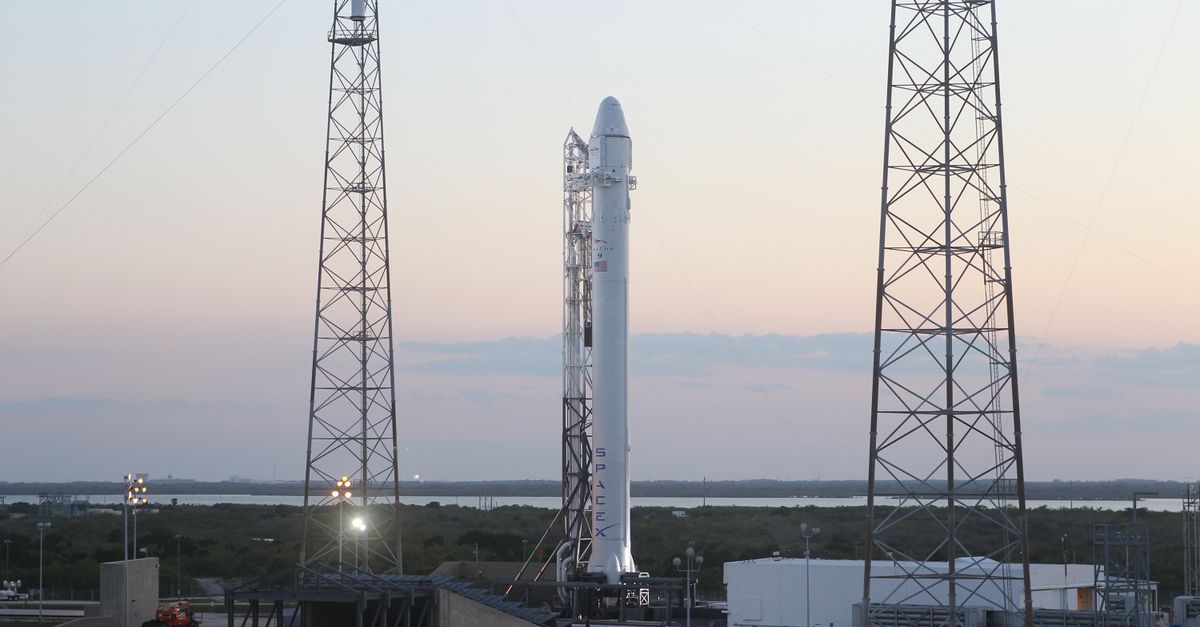
US ends old missile watch as commercial rockets ramp up
The military shuts a legacy nuclear launch detection program while SpaceX, Rocket Lab, and Blue Origin push launch cadence higher.
Terra's $52M Bet on Southern Defense Amid SpaceX Turbulence
Terra Industries raises $52 million to build defense infrastructure for the Global South as launch bottlenecks and geopolitical strikes reshape the sector.
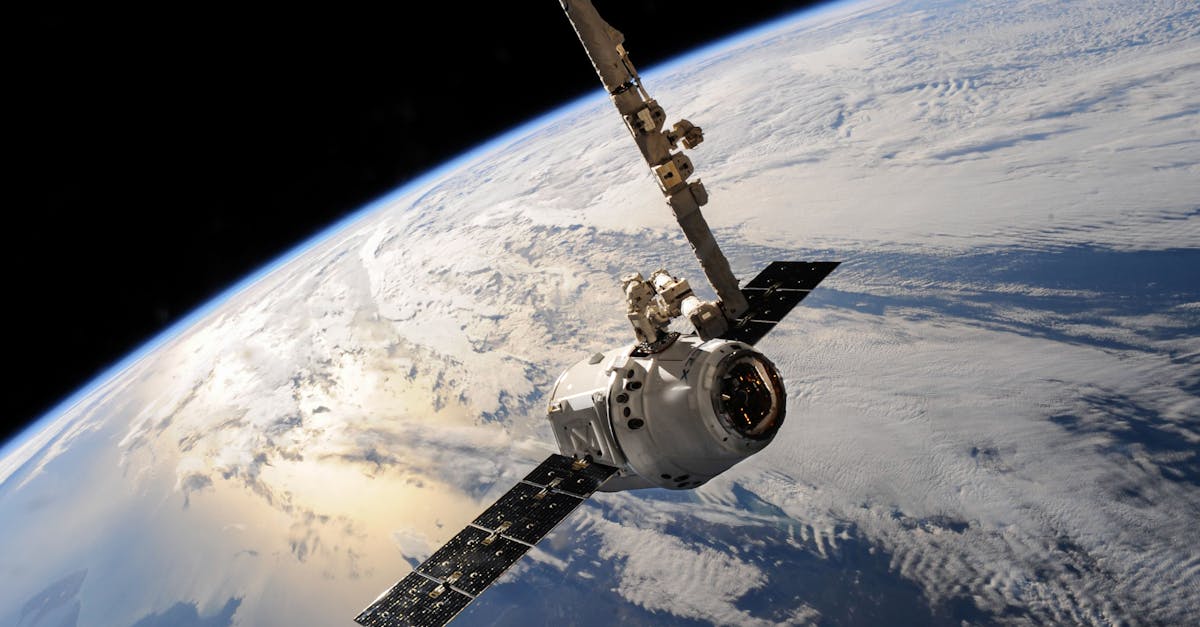
Pentagon trims classification on secret space programs
DoD policy lowers secrecy on key space projects, opening tech to allies and industry as the US seeks an edge over China and Russia.