

Binance $6.34 B Heist Exposes Fake‑Interview Attack Vector


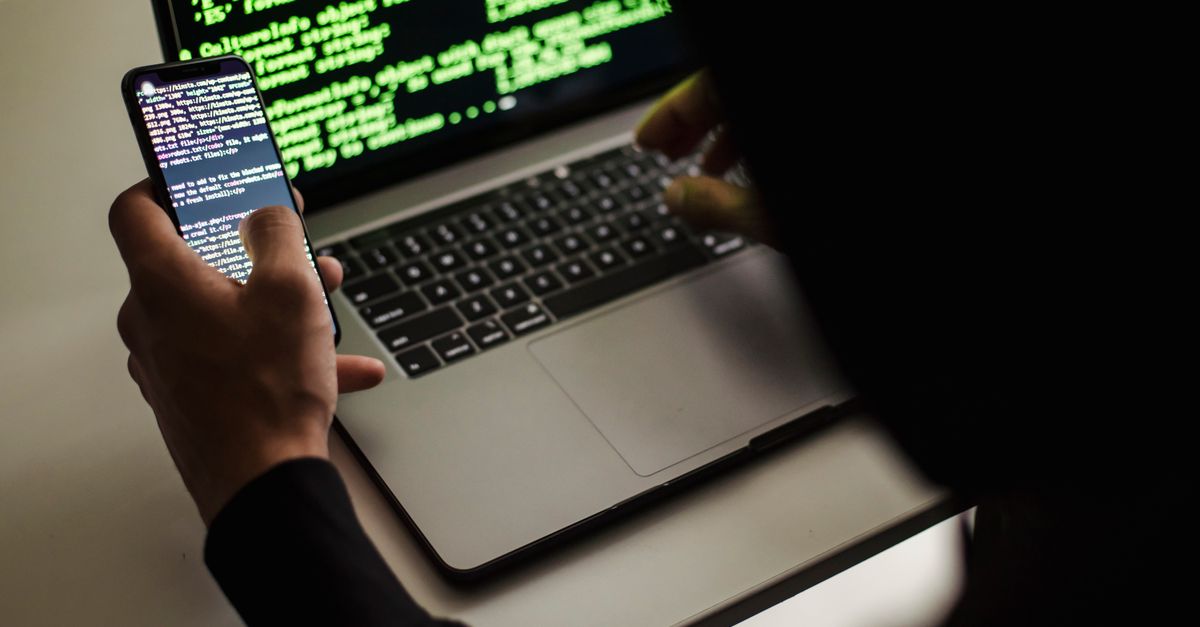
Photo by MART PRODUCTION on Pexels
The Binance Heist
Binance confirmed a $6.34 billion theft that hinged on a fake recruiting interview. The attackers posed as hiring managers, arranged video calls, and convinced a staff member to share credentials that unlocked the exchange’s hot wallet. Binance’s post says the breach was not a technical flaw in the blockchain protocol but a social‑engineering chain that culminated in the loss of billions of dollars in digital assets.
The exchange’s statement notes that the compromised account held the private keys needed to move funds from a wallet used for daily withdrawals. Once the keys were in the hands of the fraudsters, they transferred the assets to a series of offshore addresses. Binance has frozen the affected wallet and is working with law‑enforcement agencies across multiple jurisdictions, but the scale of the loss dwarfs most prior crypto incidents.
Mechanics of the Fake‑Interview Scam
The scam leveraged a familiar recruiting workflow: a job posting, a scheduled interview, and a follow‑up request for “verification” documents. In this case, the impostor asked the candidate to install a remote‑desktop tool and to display a screen that purportedly showed the candidate’s crypto wallet. The tool recorded the session, capturing the private key phrase displayed on the screen.
Because the interview appeared to come from a legitimate Binance recruiter, the target did not suspect foul play. The attackers then used the harvested phrase to sign transactions that moved the wallet’s balance. The technique sidesteps the usual security layers that protect blockchain accounts—namely, the reliance on human custodians to safeguard secret phrases.
Wider Security Gaps: Mobile Permissions and Proxy Abuse
The Binance breach is a reminder that social engineering can bypass even the most hardened technical defenses. A parallel concern surfaced in a recent Engadget guide that warned many smartphone apps request more permissions than they need. Excessive permissions create a broader attack surface: a compromised app can exfiltrate contacts, location data, or microphone feeds without the user’s awareness. The guide shows that checking an app’s permission list is a few taps away, yet many users never audit what they have granted.
A separate incident highlighted the use of residential proxies on the White House network, as reported by a security blog cited on Hacker News. Residential proxies masquerade as ordinary home IP addresses, making traffic appear legitimate while masking malicious activity. Their detection on a high‑profile government network suggests that even well‑defended environments can be infiltrated by traffic that mimics benign users. The incident underscores the need for deeper network telemetry that can differentiate genuine residential traffic from proxy‑generated noise.
Legal Pushback: The NYT vs. Brave Case
Security concerns also intersect with legal battles over content distribution. The New York Times recently sued Brave, demanding the browser shut down its paywall‑bypass extension and terminate deals with AI firms that scrape news articles. The complaint labels Brave a “supplier, dealer, and distributor” of stolen news content, arguing that the browser’s tools facilitate copyright infringement at scale.
While the lawsuit centers on intellectual‑property rights, it raises a technical question: how should browsers balance user‑driven features that alter web traffic with the obligations of content providers? Brave’s model—injecting scripts that block paywalls—relies on the same proxy‑like mechanisms that security researchers flag as risky in other contexts. The outcome of the case could set precedents for how far browsers can go in reshaping the data stream between sites and users.
Context: Crypto Heists and the Human Factor
Binance’s loss is not an isolated event. The crypto sector has seen a string of high‑profile thefts, from the 2016 DAO hack to the 2022 Wormhole bridge exploit. What distinguishes the Binance incident is the explicit use of a recruitment façade to harvest private keys, rather than exploiting a smart‑contract vulnerability. This shift mirrors trends in traditional cybercrime, where attackers increasingly target the human element—phishing, business‑email compromise, and now fake‑interview ploys.
Historically, exchanges have mitigated risk by storing the bulk of assets in cold wallets, offline and inaccessible to remote actors. Binance’s use of a “hot wallet” for daily withdrawals is standard practice, but it also creates a single point of failure if the custodial keys are exposed. The incident may prompt exchanges to reevaluate key‑management policies, possibly adopting multi‑signature schemes that require multiple independent approvals before large transfers.
What to Watch
Watch for Binance’s response to the breach: whether it adopts multi‑sig controls, tightens employee onboarding, or rolls out mandatory hardware‑security‑module (HSM) usage for key storage. Track the NYT’s lawsuit as it moves through the courts; a ruling against Brave could force browsers to reconsider built‑in content‑modifying extensions. Finally, monitor any follow‑up disclosures about residential proxy usage on government networks, as they may signal broader attempts to cloak malicious traffic behind seemingly innocuous IP ranges.
Related Articles
Binance $6.3B Heist Shows North Korean Social‑Engineering Prowess
Binance confirmed a $6.3 billion loss after North Korean hackers used a fake job interview to infiltrate its systems, exposing the long‑known threat of state‑backed social‑engineering.

Binance restores withdrawals as OpenAI trims funding round
Binance says it has recovered 95% of a $6.3 billion hack, while OpenAI reportedly lowers its fundraising target, highlighting security and capital pressures in crypto and AI.
AI agents multiply across apps as platforms wrestle with safety
Instinct, TikTok, HackerRank and OpenAI roll out new AI agents while researchers flag security risks and regulators demand transparency.