

Measles death sparks elimination debate as health tech evolves


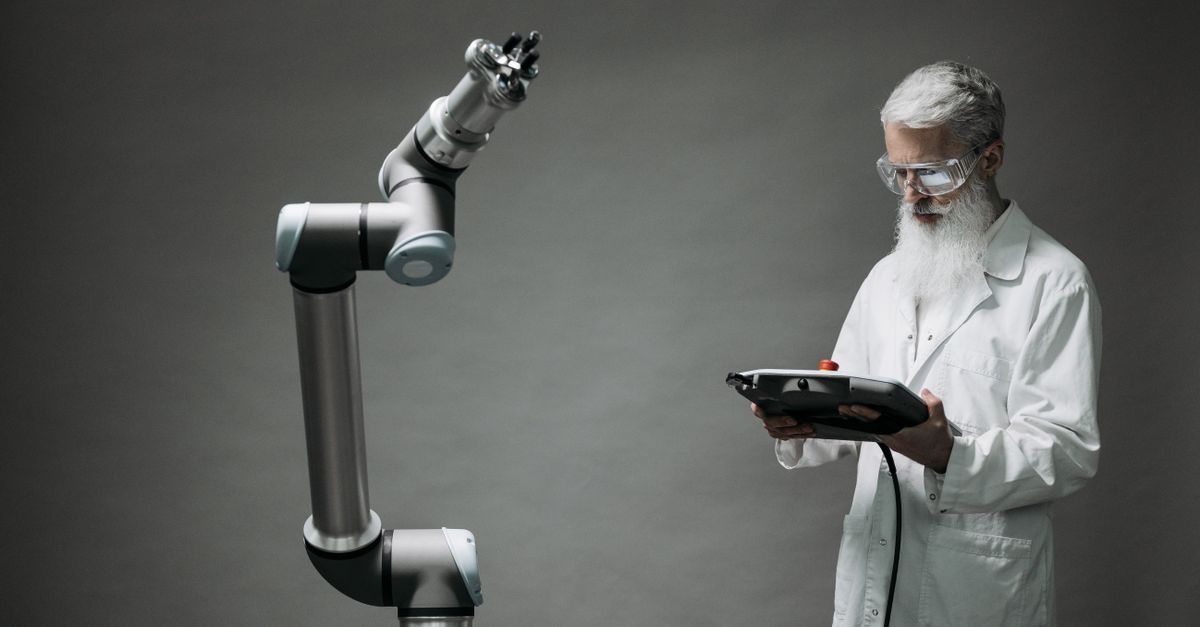
Photo by Bruno Curly on Pexels
Measles death revives elimination concerns
A Wisconsin infant died of measles last week, marking the first measles fatality in the United States in more than 35 years. The case arrives as the nation prepares to assess whether it has slipped from its measles‑elimination status, a determination scheduled for next week by federal experts. The death underscores how fragile the elimination status can be. Public‑health officials have relied on high vaccination rates to keep endemic transmission at bay, but isolated pockets of low coverage still exist. When a case turns fatal, the stakes rise: a loss of elimination status would trigger renewed reporting requirements, increased funding for outbreak response, and potentially stricter school‑entry vaccine mandates.
AI caregiver apps expand functionality but miss the human side
Family‑caregiver platforms have added generative‑AI assistants that can summarize medication schedules, draft care plans, and answer common health questions. The new features reduce the time caregivers spend navigating paperwork and allow them to focus on hands‑on tasks. However, the AI upgrades do not address caregiver burnout. Studies cited by industry analysts note that while apps can automate logistics, they leave the broader issue of caregiver well‑being untouched. The technology can remind a user to take a break, but it cannot replace the emotional support a caregiver needs after hours of constant vigilance.
Millennials demand agency and see the system as broken
Communispace research found that 37 % of Millennials rate the current state of U.S. health care as “poor” or “terrible,” and 49 % blame the government for the shortcomings. The study, which combined online community discussions with a nationally representative panel of 1,500 consumers, paints a picture of a generation that feels “on the outside looking in.” Millennials describe themselves as “wired, independent and self‑reliant,” preferring tools that let them manage health data directly. They view wellness as equal to health, pushing brands to offer flexible, data‑driven services rather than one‑size‑fits‑all solutions. This mindset fuels demand for digital health products that give users granular control over appointments, medication reminders, and fitness tracking.
E‑Ink displays cut blue‑light exposure, easing digital eye strain
Harvard School of Public Health research shows that displays that emit harsh blue light stress retinal cells, while e‑paper devices are up to three times healthier for eyes than LCD screens. The study aligns with broader concerns that the average person now spends more than seven hours a day looking at screens for work, study, or entertainment. E‑Ink technology uses reflective displays that rely on ambient light, eliminating the need for a backlight that pushes blue wavelengths into the eye. When front lighting is turned off, the screen emits zero blue light; even with front lighting on, ComfortGaze™ technology keeps blue‑light output far below that of conventional devices. The result is reduced retinal stress, lower risk of visual fatigue, and less disruption to melatonin production at night.
What to watch: policy, platform integration, and user adoption
The coming week’s measles‑status review will set the tone for federal vaccination campaigns and may prompt tighter school‑entry requirements. In parallel, developers of caregiver AI tools should monitor user‑experience studies that measure burnout alongside productivity gains. Millennial‑driven demand for self‑service health platforms will likely push insurers to reimburse app‑based interventions, while eye‑health advocates will keep an eye on adoption rates for e‑paper readers as a low‑blue‑light alternative. Tracking three data points will reveal how these trends intersect: (1) the CDC’s final determination on measles elimination, (2) the proportion of caregiver‑app users who report reduced stress after AI integration, and (3) market share growth for e‑ink devices in the consumer electronics segment over the next twelve months.
Related Articles
AI Rollouts Hit Snags from Brain Implants to Airline Bookings
Recent setbacks in brain‑computer interfaces, AI calling, infrastructure funding, airline security, energy costs, and photo editing reveal growing pains.

Google’s AI Push and Mint Mobile’s $500 Phone Deal Stir Up
Google upgrades AI search, rolls out Android beta and smart glasses while Mint Mobile tempts new users with $500 off select phones.

Jensen Huang resigns
Jensen Huang stepped down as Nvidia CEO amid multiple affair allegations, triggering a $1 trillion market plunge and fresh doubts about the firm’s open‑source AI roadmap.