

Listening to Noise Reveals Superconductor Pairing Secrets

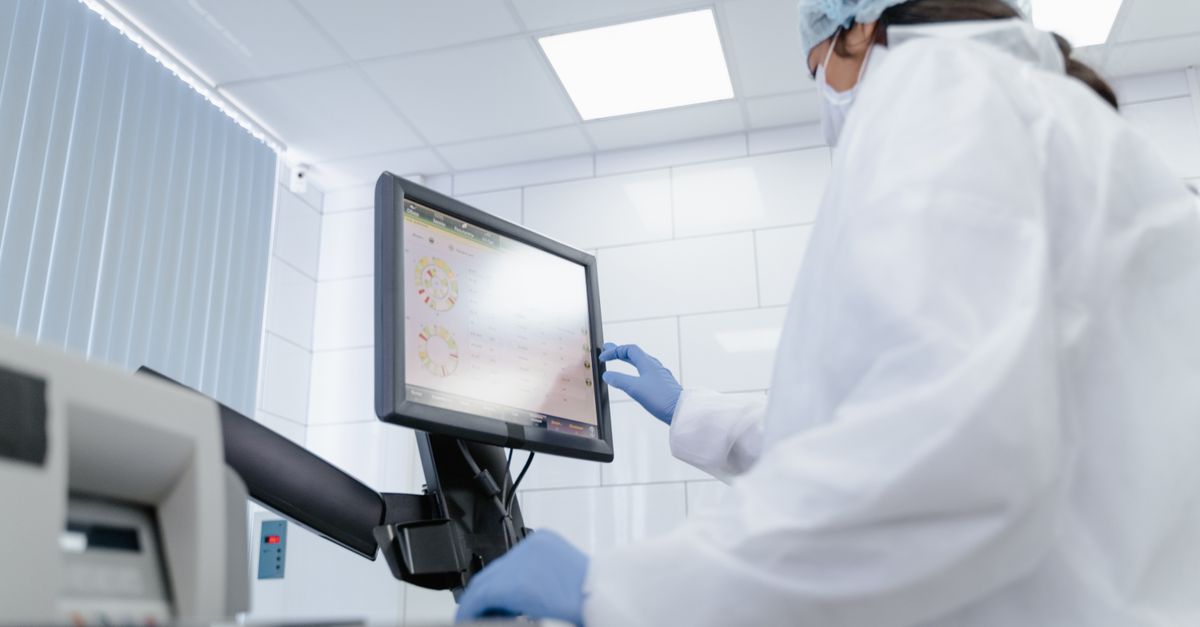
Photo by Tima Miroshnichenko on Pexels
The Noise Approach
Physicists have turned the hiss of electronic noise into a diagnostic tool, showing that electrons form pairs inside a superconductor without resorting to magnetic probes. By monitoring voltage fluctuations in a cryogenic circuit, the team distinguished the signature of paired electrons from the background of unpaired carriers.
The experiment recorded the tiny jitter of current as the material cooled below its critical temperature. When the noise spectrum sharpened, the pattern matched theoretical expectations for Cooper‑pair formation. The result proved that a simple noise measurement can answer the same question that previously required more elaborate tunnelling or spectroscopic techniques.
Why Electron Pairing Matters
Electron pairing lies at the heart of superconductivity. In the Bardeen‑Cooper‑Schrieffer (BCS) picture, pairs move without resistance, enabling lossless power flow and the magnetic levitation used in maglev trains. Detecting those pairs directly validates that a material truly entered the superconducting state, rather than merely exhibiting a drop in resistance due to experimental artifacts.
For quantum computing, paired electrons form the basis of qubits that can store information in a protected state. If engineers can verify pairing quickly and nondestructively, they can iterate on material synthesis faster, tightening the feedback loop between theory and device fabrication.
Historical Attempts to Probe Superconductors
Since Heike Kamerlingh Onnes first observed zero resistance in mercury in 1911, scientists have chased reliable signatures of the superconducting transition. Early work relied on measuring the disappearance of electrical resistance, a blunt instrument that could be fooled by filamentary conduction paths. The Meissner effect—expulsion of magnetic fields—offered a clearer hallmark, but required bulky magnetometers.
The 1950s brought tunnelling spectroscopy, where electrons tunnel across an insulating barrier to reveal the energy gap associated with pairing. While powerful, tunnelling demands delicate junctions and can disturb the very state it seeks to measure. More recent advances include angle‑resolved photoemission spectroscopy (ARPES) and scanning tunnelling microscopy (STM), each delivering atomic‑scale images at the cost of complex vacuum chambers and cryogenic infrastructure. The noise‑based method sidesteps many of those constraints, using only standard low‑temperature wiring and a spectrum analyzer.
Implications for Quantum Technologies
The ability to confirm pairing through noise reshapes the material‑screening workflow for quantum hardware. Companies racing to build superconducting qubits can now embed a noise sensor in their test rigs, flagging promising candidates before committing to full‑scale fabrication. This could shave months off development cycles, a competitive edge in a field where coherence times improve by single‑digit percentages each year.
Beyond qubits, the technique may help the emerging field of topological superconductivity, where exotic paired states promise fault‑tolerant computation. Detecting subtle changes in noise could reveal the presence of Majorana modes without the need for interferometric setups that remain fragile and expensive.
What to Watch
Regulators and funding agencies will soon evaluate whether the noise method qualifies for standard certification of superconducting components. The next International Conference on Low Temperature Physics, scheduled for early next year, will feature a dedicated session on electrical‑noise diagnostics. If the community adopts the technique as a benchmark, manufacturers will need to integrate low‑noise amplifiers into production lines. The decision will determine whether the method stays a laboratory curiosity or becomes a staple of the superconducting supply chain.
Related Articles
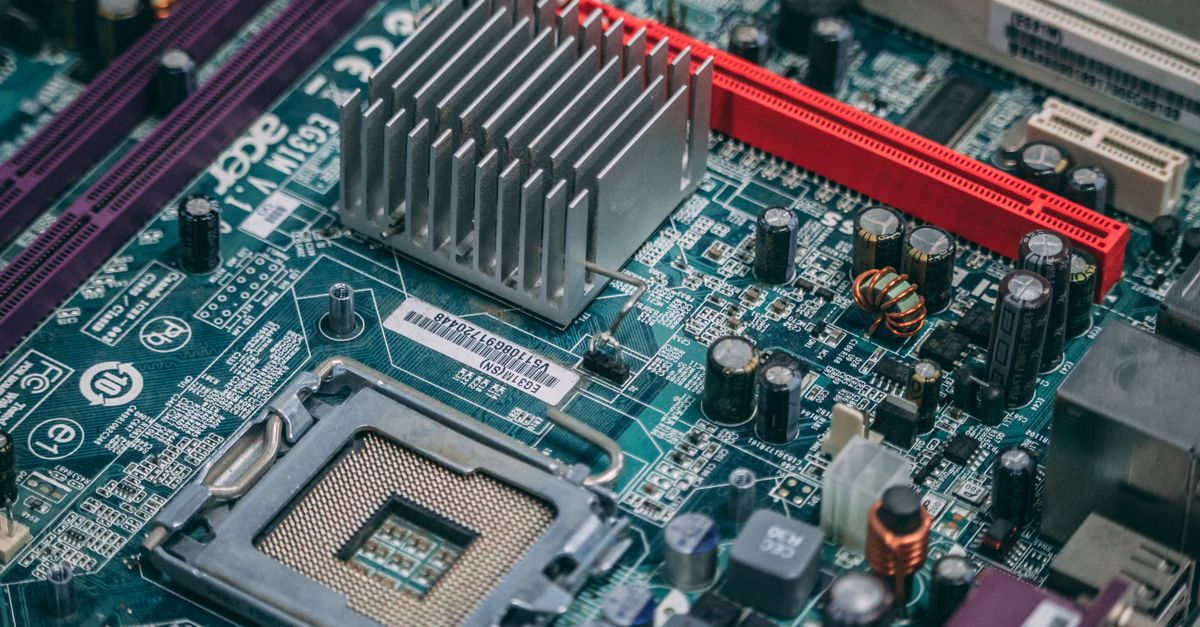
Chinese firms smuggle NVIDIA chips, raising AI supply concerns
Bloomberg reports a network of Chinese AI companies moving NVIDIA GPUs, with Alice Huang identified as a key coordinator. The find highlights enforcement gaps as AI hardware demand spikes.
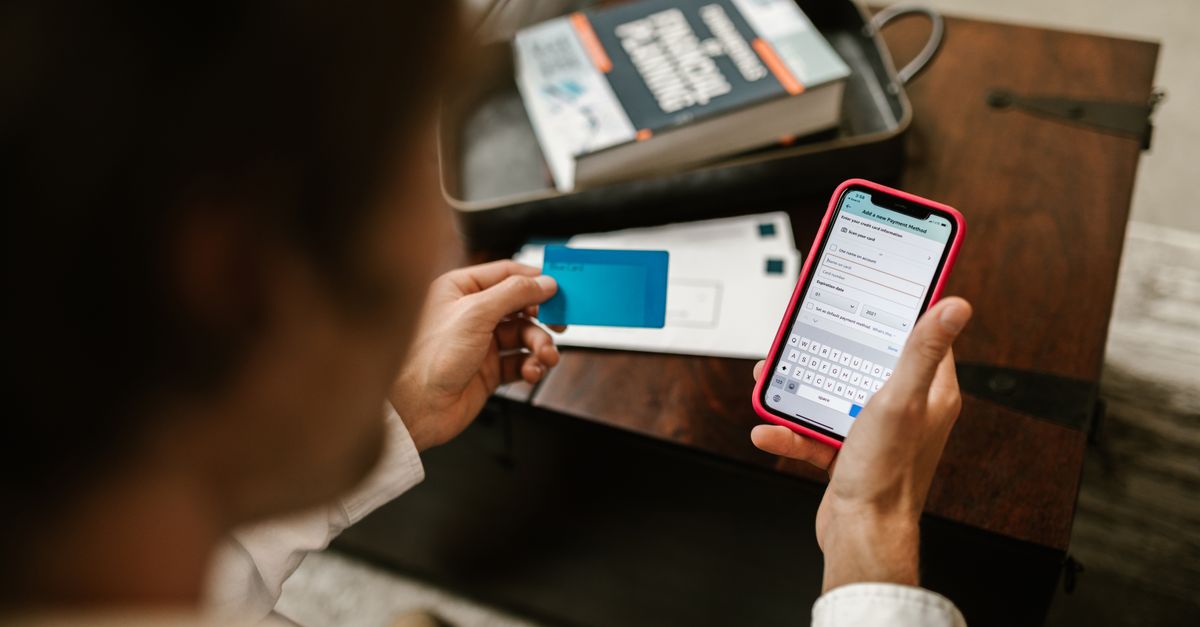
OpenAI's Wallet lets ChatGPT spend your money – a risky leap
OpenAI adds a Wallet feature that lets its AI buy for you, raising privacy questions as Black Friday deals flood the market.
Apple HomeView launches with security patch amid ecosystem push
Apple ships HomeView tomorrow while rolling out a nine‑vulnerability fix, tying the device tighter into iOS 27’s Maps, CarPlay and TV AI upgrades.