

Iran Threat, Nvidia Loss, Traffic Cameras Raise Risks

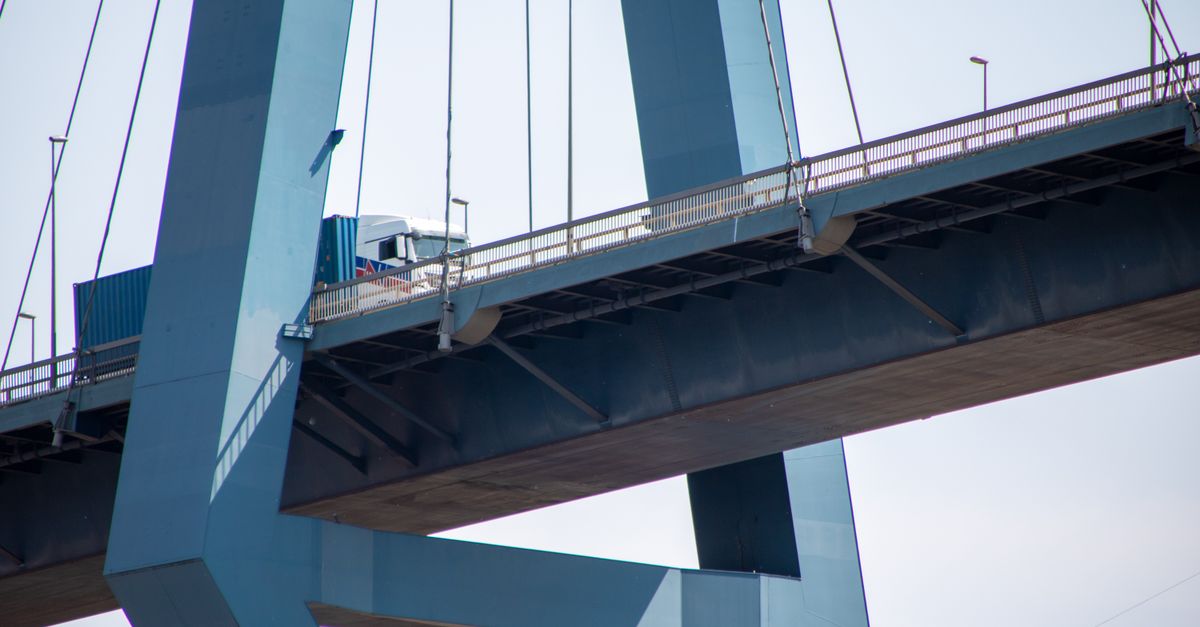
Photo by Frank Rietsch on Pexels
Iran’s Cable Threat
Iran warned it would strike subsea cables if the United States escalates its missile campaign. The statement, reported by Ars Technica, singled out the trans‑Atlantic and Indo‑Pacific routes that carry the bulk of global data traffic.
Disrupting those cables would throttle internet speeds, jam financial feeds, and force traffic onto satellite links that cost orders of magnitude more. The threat arrives as Washington debates a second wave of strikes after the recent escalation in the Middle East. Engineers know that repairing a cut cable can take weeks, and the economic fallout would ripple far beyond the immediate conflict zone.
Missing Nvidia Hardware
Six pallets of Nvidia hardware, valued at $11.4 million, disappeared between Oakland and Texas. The cargo left the Bay Area in early June and was never logged at the Texas receiving dock, according to the Ars Technica report.
The loss raises questions about the security of high‑value compute assets in transit. Nvidia’s GPUs power AI workloads that many enterprises treat as mission‑critical. When a shipment vanishes, the supply chain’s weakest link—physical transport—becomes a target for theft, fraud, or espionage. No arrests have been reported two months after the disappearance, and investigators have not disclosed whether the pallets were hijacked en route or simply misplaced.
The Real Purpose of Traffic‑Light Cameras
Public outrage has focused on white cameras mounted above traffic lights, especially those deployed by companies like Flock. Critics argue the devices enable continuous driver tracking and feed data to advertising platforms.
Ars Technica notes that the cameras were installed primarily for traffic‑signal optimization. By capturing vehicle queues in real time, the system can adjust light cycles to reduce congestion and improve safety. The technology also supports emergency‑vehicle preemption and pedestrian‑crossing detection. While the hardware can be repurposed for surveillance, its stated intent is operational efficiency, not mass data harvesting.
Infrastructure Vulnerabilities Across Domains
The three incidents share a common thread: physical infrastructure is exposed to geopolitical, criminal, and privacy risks. Iran’s cable threat exploits the fact that subsea lines are buried but not immune to sabotage. The missing Nvidia pallets illustrate how high‑value tech can vanish without a trace, exposing gaps in logistics oversight. Traffic‑light cameras demonstrate how a benign utility can be perceived as a surveillance tool when transparency is lacking.
Regulators have struggled to keep pace with the speed of deployment. The Federal Communications Commission has limited authority over undersea cables, while the Department of Transportation oversees freight security but lacks a unified reporting system for high‑value tech shipments. Municipalities that install traffic cameras often do so under vague procurement contracts, leaving citizens without clear data‑use policies.
Industry groups are calling for better asset‑tracking standards. RFID tags, blockchain‑based provenance records, and real‑time geofencing could reduce the chance of loss or tampering. At the same time, privacy advocates demand audit logs for any data collected by traffic cameras, insisting that operational benefits do not override civil liberties.
What to Watch
Watch for any official response from the U.S. State Department on Iran’s cable warning, the outcome of the federal investigation into the Nvidia shipment, and municipal council votes on traffic‑camera transparency measures. Each decision will signal how policymakers balance security, supply‑chain integrity, and privacy in an increasingly connected world.
Related Articles

Tech firms cannibalize washing machines for chips amid shortage
Companies are ripping new washers for sensors and Wi‑Fi chips as the global semiconductor crunch stalls car and appliance production.
AI spend spikes, safety programs
Garry Tan’s token bill, Trajectory’s $45M raise, Anthropic’s RSI warning, and OpenAI’s grid protectors illustrate the cost, funding, and safety stakes in AI.

Anthropic’s junk rating and security breaches raise funding risk
Anthropic may be hit with a junk credit rating after its IPO and has suffered two recent supply‑chain attacks, raising doubts about its funding path.