

Nvidia board moves to oust Jensen Huang amid spy-affair probe


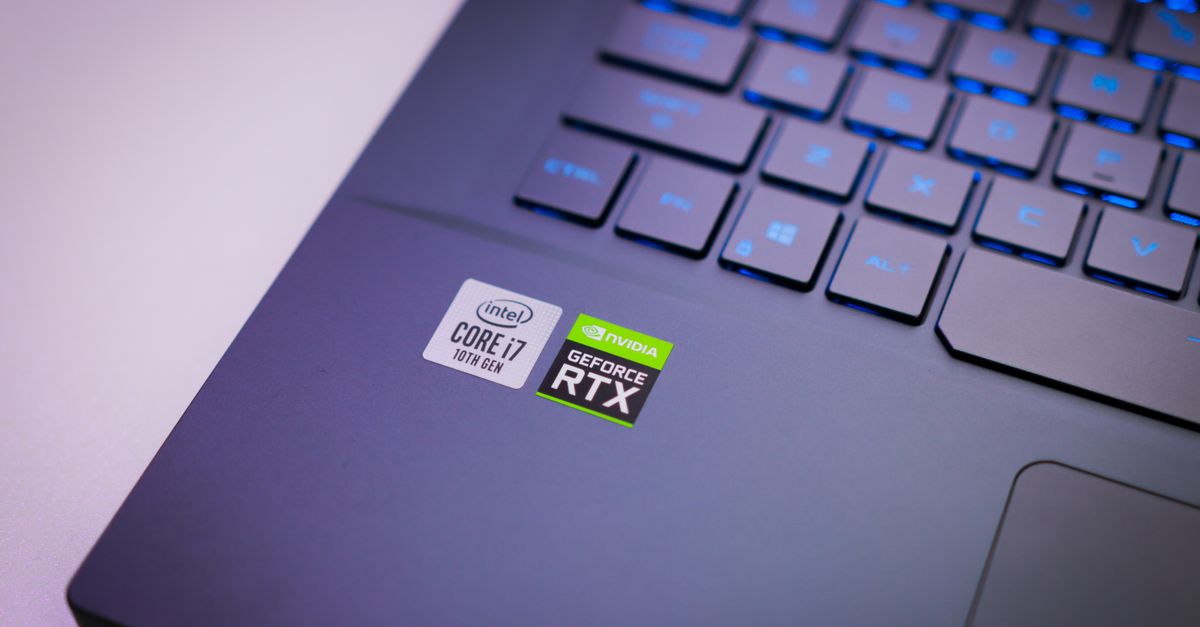
Photo by Werner Pfennig on Pexels
Board turmoil erupts on Wednesday
Nvidia’s board convened Wednesday evening with a clear agenda: decide whether to remove founder‑CEO Jensen Huang. The meeting follows a string of allegations that have put the 33‑year CEO under unprecedented scrutiny. Sources say the board could vote as soon as the evening concludes.
The stock reacted instantly, slipping lower after the news broke. Analysts note that any leadership shake‑up at a company of Nvidia’s scale would ripple through the semiconductor market, but the immediate impact is the erosion of investor confidence.
Congressional summons and FBI investigation
House Republicans have issued a deadline for Huang to appear for a closed‑door briefing by the end of Wednesday. The request centers on Huang’s admitted affair with a woman identified by U.S. officials as a Chinese intelligence operative. The briefing will be limited to senior members of the committee.
The FBI has opened a parallel investigation. Sources at the bureau confirmed that agents are interviewing Nvidia staff and reviewing communications. The probe adds a law‑enforcement dimension that goes beyond corporate governance concerns.
Industry reaction and governance precedent
An investment‑intel consultant quoted in a recent report warned that “a lot of senior people in the industry know this is happening, and are effectively condoning it.” The comment reflects a broader unease about personal misconduct intersecting with corporate risk.
Historically, boards have acted decisively when a CEO’s behavior threatens the firm’s reputation or legal standing. In 2018, a major chipmaker forced its chief to resign after a securities‑fraud investigation. Nvidia’s board faces a similar calculus: weigh the value of Huang’s technical vision against the damage from a potential national‑security scandal.
Strategic stakes for Nvidia
Nvidia sits at the center of the AI hardware boom. Its GPUs power data‑center workloads, autonomous‑vehicle platforms, and a growing software ecosystem. The company’s roadmap for next‑generation chips is already in motion, with design cycles locked in for 2025 releases.
If Huang departs, the board must appoint a successor who can maintain continuity while reassuring regulators and investors. An abrupt leadership change could delay product rollouts, affect supply‑chain contracts, and invite competitor encroachment.
Conversely, retaining Huang could signal confidence in his technical leadership but risk further regulatory pressure. The board’s decision will likely be judged against Nvidia’s ability to stay on schedule for its upcoming hardware launches.
What to watch next
The next critical data point is the board’s formal vote, expected within hours of the Wednesday meeting. A removal would trigger a succession plan that the company has not publicly detailed. Simultaneously, the outcome of the congressional briefing and any public statements from the FBI will shape the narrative.
Investors should monitor Nvidia’s SEC filings for any disclosures about the investigation, as well as any shifts in analyst ratings that reference governance risk. The longer the board hesitates, the more likely the market will price in a premium for uncertainty.
This piece follows the reporting standards of System Report, with all factual claims drawn from the cited TechCrunch and Ars Technica sources.
Related Articles

Jensen Huang resigns
Jensen Huang stepped down as Nvidia CEO amid multiple affair allegations, triggering a $1 trillion market plunge and fresh doubts about the firm’s open‑source AI roadmap.
Nvidia RTX Spark firmware trims Linux inference speed by 35%
Encrypted firmware for Nvidia RTX Spark reduces Linux inference throughput by 35%, raising concerns for AI workloads on the platform.

Lenovo discounts, Volvo‑Nvidia drive, and Epic’s faster launcher
Lenovo rolls out 15% October coupons, Volvo deepens Nvidia tie‑up for hands‑free driving, and Epic claims its new launcher outpaces Steam.