

Apple ships HomeView with Ambient Dark Mode

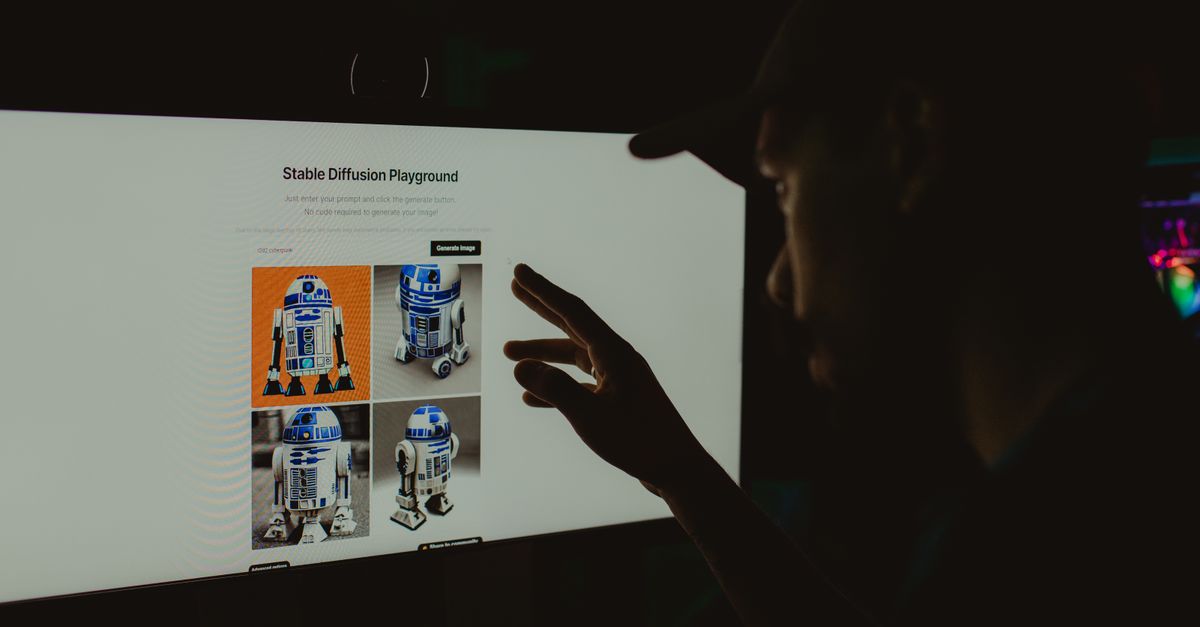
Photo by Alberlan Barros on Pexels
HomeView launch and Ambient Dark Mode
Apple began shipping the HomeView this week, its first display built for the smart‑home market. The device arrives with a new UI option called Ambient Dark Mode, which dims the screen when the room is dimly lit. The launch marks Apple’s entry into a product class dominated by Nest Hub and Echo Show.
The HomeView is a 10‑inch 4K panel that runs a trimmed version of visionOS. Ambient Dark Mode appears in the settings menu alongside standard Dark Mode. Apple’s documentation describes it as a mode that reacts to ambient light levels, reducing glare without user intervention. Early reviewers note that the mode activates automatically after a minute of low‑light detection.
By bundling the feature at launch, Apple signals that it views display ergonomics as a differentiator for smart‑home hardware. The move also aligns with a broader push to make its UI language consistent across devices, from iPhone to Mac.
The missing piece in Apple’s UI toolkit
Apple introduced system‑wide Dark Mode for iOS and macOS in 2019, but the option has remained static across most devices. Users can toggle Dark Mode manually, but the OS does not automatically adapt to room lighting on iPhone or iPad. The HomeView’s Ambient Dark Mode fills that gap for a dedicated display.
The iPhone Duo, Apple’s foldable phone, already ships with a dozen hidden tweaks that improve daily use, such as Touch ID shortcuts and smarter volume buttons. Those tweaks demonstrate Apple’s willingness to add granular controls, yet they stop short of context‑aware UI shifts. Ambient Dark Mode extends that philosophy to the visual layer.
Competitors have offered similar adaptive schemes for years. Google’s Pixel devices dim the UI based on sensor data, and Samsung’s One UI includes an “Adaptive Dark Mode.” Apple’s decision to embed the capability in HomeView suggests it may soon retrofit the behavior into iOS, macOS, and watchOS.
Competitive pressure from foldables and PC gaming on Mac
The iPhone Duo’s multitasking chops have drawn comparisons to the Galaxy Z Fold 8, especially in FaceTime‑centric workflows. Analysts note that the Duo’s lack of a telephoto lens and Face ID has limited its appeal, but its software optimizations keep it relevant in a crowded foldable market.
Meanwhile, a free application now lets users boot SteamOS in a virtual machine on Apple Silicon Macs. The tool unlocks legacy PC games that the native macOS environment cannot run, expanding the Mac’s gaming portfolio. That development underscores Apple’s strategy to broaden the utility of its hardware through software bridges.
Both the Duo and the SteamOS VM illustrate how Apple is leveraging its silicon to support niche use cases. The HomeView adds a hardware dimension to that strategy, targeting the living‑room segment where competitors already dominate with adaptive UI features.
What to watch next
If Apple extends Ambient Dark Mode beyond HomeView, the next software update will likely surface in iOS 18 or macOS 15. Developers should monitor the beta releases for new APIs that expose ambient‑light data. Users will want to test whether the mode respects custom color schemes and accessibility settings.
The rollout timeline will become clearer once Apple publishes a developer roadmap. Watch for WWDC session titles that mention “Ambient UI” or “adaptive display.” The feature’s adoption could influence third‑party smart‑home displays that rely on Apple’s HomeKit ecosystem.
Industry observers will also track whether Apple bundles the mode into future hardware, such as an updated Apple TV or a larger HomeView variant. The decision will signal how far Apple is willing to go in unifying its UI experience across the entire product line.
Related Articles
Apple HomeView Gains Third‑Party AI Chatbots in iOS 27.3
iOS 27.3 beta shows HomeView will run ChatGPT and Claude, tightening Apple’s AI push and boosting Apple One Premier.
Apple’s AI app push, iPhone Duo lag, and rising inventory costs
Apple eyes third‑party AI apps for revenue, wrestles with iPhone Duo shortages, soaring memory‑chip costs, and a German spyware alert.
iOS 27.2 adds custom Messages shortcuts amid Apple’s UI overhaul
Apple’s iOS 27.2 introduces Suggested Actions in Messages, letting users tailor quick replies, just as the company teases a sweeping iOS 19 redesign.