

Nvidia’s leadership shakeup threatens AI startup financing


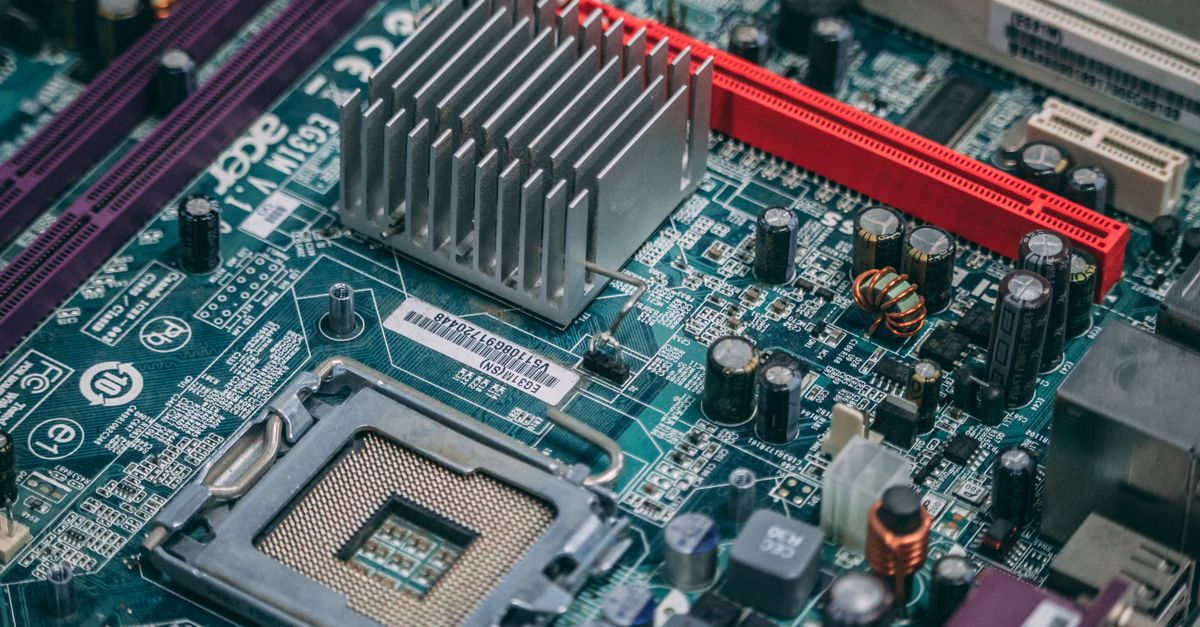
Photo by Mikhail Nilov on Pexels
Funding shock
Nvidia’s AI startup funding pipeline has stalled after Jensen Huang announced his departure. The move unsettles founders and venture firms that relied on the company’s deep pockets.
TechCrunch reported that Nvidia poured tens of billions of dollars into AI startups while Huang was CEO. With his exit, founders and VCs say they expect smaller checks and lower valuations. The funding stream had become a de‑facto safety net for early‑stage labs building on Nvidia GPUs, and its contraction forces many to renegotiate runway assumptions.
Some startups are already revising product timelines. Engineers who counted on generous GPU grants are now looking at on‑premise purchases or alternative accelerators. The shift could slow the pace of prototype iterations that have defined the sector’s rapid growth.
Export bans and Chinese models
New research shows China’s most powerful AI models were trained on Nvidia GPUs that are subject to U.S. export bans. The study, covered by TechCrunch, traced the hardware lineage of several large‑scale language models back to banned high‑performance chips.
Those chips left Nvidia’s factories before the ban took effect, allowing Chinese labs to amass compute clusters that rival Western offerings. The finding underscores how a single hardware restriction can reshape global AI capability maps, even as the devices remain in use abroad.
For Nvidia, the export‑ban fallout adds a geopolitical wrinkle to its revenue outlook. While the company still sells to end‑users in the United States, the loss of a fast‑growing Chinese market could dent future growth projections.
Leadership vacuum
Huang’s confidence in his successor, interim CEO Kress, appeared limited. TechCrunch quoted Huang describing Kress as a “deer in the headlights” during a summer meeting, suggesting uncertainty about strategic direction.
Around the same time, a Nvidia director sold nearly $1 billion in stock weeks before the scandal broke, according to Yahoo Finance. The timing sparked speculation about insider awareness, though no formal allegations have been filed.
The combination of an ambiguous leadership transition and high‑profile stock sales has rattled investors. Board stability is now a key metric for venture partners weighing follow‑on investments in Nvidia‑backed startups.
Allegations of engineered scarcity
A Hacker News discussion highlighted an article alleging Nvidia deliberately funded AI startups to create demand for its GPUs. The piece argues that the funding program turned startups into captive buyers, inflating GPU prices and tightening supply for other customers.
Commenters noted that the strategy could be read as a way to lock in market share while competitors scramble for silicon. If true, the approach blurs the line between partnership and market manipulation, raising potential regulatory scrutiny.
The allegation adds pressure on Nvidia’s reputation at a moment when the company is already navigating leadership change and export‑control fallout.
What to watch
Track the appointment of a permanent CEO, any regulatory response to the export‑banned chips, and Nvidia’s next earnings call for signals on funding policy. Watch for further insider stock activity and for how venture firms adjust their check sizes in the wake of the funding shock.
Related Articles

Jensen Huang resigns
Jensen Huang stepped down as Nvidia CEO amid multiple affair allegations, triggering a $1 trillion market plunge and fresh doubts about the firm’s open‑source AI roadmap.
Chinese firms smuggle NVIDIA chips, raising AI supply concerns
Bloomberg reports a network of Chinese AI companies moving NVIDIA GPUs, with Alice Huang identified as a key coordinator. The find highlights enforcement gaps as AI hardware demand spikes.
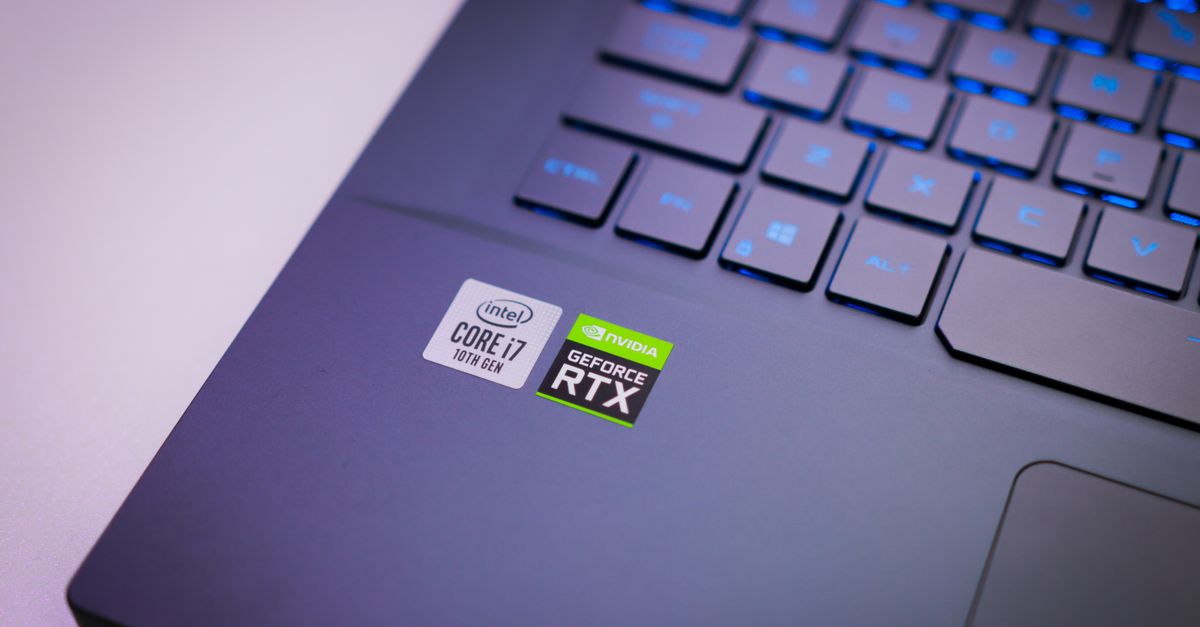
Nvidia RTX Spark firmware trims Linux inference speed by 35%
Encrypted firmware for Nvidia RTX Spark reduces Linux inference throughput by 35%, raising concerns for AI workloads on the platform.