

Chinese firms smuggle NVIDIA chips, raising AI supply concerns

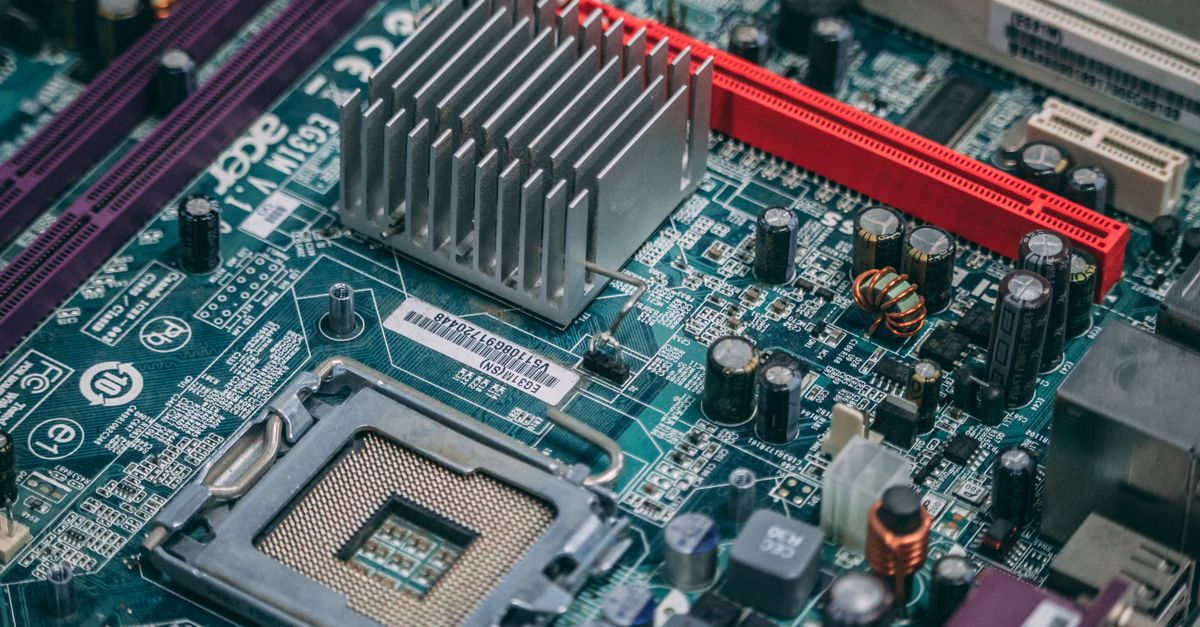
Photo by Muffin Creatives on Pexels
Smuggling network uncovered
A Bloomberg investigation uncovered a coordinated effort by Chinese AI firms to smuggle NVIDIA GPUs, with a figure named Alice Huang at the core. The report traced a web of companies that moved the chips through indirect channels to sidestep U.S. export restrictions.
Bloomberg’s evidence shows that the network spanned several firms that acted as intermediaries. Those intermediaries concealed the origin of the hardware and rerouted shipments to AI startups in China. The pattern emerged from customs records, shipping manifests, and financial trails that linked the parties together.
The discovery arrives as the United States tightens controls on high‑performance computing components. Export licenses now cover many of NVIDIA’s latest GPUs, which power large language models and training clusters. The smuggling operation suggests that enforcement mechanisms still have blind spots.
Export controls and enforcement gaps
U.S. policy treats NVIDIA’s top‑end GPUs as dual‑use items. Companies must obtain licenses to ship them abroad if the destination is deemed a security risk. The Bloomberg findings imply that Chinese actors found ways to evade those licensing requirements.
Analysts note that the licensing process relies on end‑user declarations. When a buyer misrepresents its intent, the paperwork can appear legitimate. The smuggling network exploited that loophole by routing chips through third‑party firms that filed clean paperwork.
The case also highlights the difficulty of monitoring complex supply chains. A single chip can pass through dozens of handlers before reaching its final user. Without real‑time tracking, customs officials often see only the final leg of the journey.
Ripple effects on the AI hardware market
The smuggling episode underscores the pressure on AI developers for cutting‑edge silicon. NVIDIA’s RTX Spark GPU, for example, powers Microsoft’s Surface Laptop Ultra, the company’s most powerful Surface to date. The laptop’s review notes that the RTX Spark delivers a noticeable performance edge for AI‑related workloads.
When legitimate channels are constrained, demand for black‑market hardware rises. That demand can inflate prices and push smaller AI startups toward risky procurement practices. It also creates a feedback loop: tighter controls drive more sophisticated evasion tactics.
Industry observers warn that the short‑term gain of accessing high‑end GPUs may be outweighed by long‑term legal and reputational risks. Companies caught with illicit hardware could face export‑control penalties, loss of supplier relationships, and damage to investor confidence.
Parallel signals: model outages and device updates
Around the same time, Anthropic’s Claude model experienced a service interruption, as documented on the company’s status page. The outage, while brief, reminded developers that reliance on a single AI provider can introduce operational risk.
The timing of the outage coincides with broader hardware tensions. When premium GPUs become scarce or risky to acquire, model providers may face capacity constraints that manifest as downtime.
In a different corner of the ecosystem, Google rolled out Android Auto version 18.2. The update adds a few light‑mode tweaks but otherwise leaves the in‑car interface unchanged. The modest change reflects a broader industry trend: software teams are focusing on stability rather than flashy new features while hardware supply remains volatile.
These three threads—hardware smuggling, model reliability, and incremental software updates—illustrate a market that is juggling rapid AI growth against supply‑chain uncertainty.
What to watch
Regulators are expected to issue new guidance on high‑performance AI chips later this year. Track the U.S. Department of Commerce’s upcoming licensing rules and any enforcement actions tied to the Bloomberg case. Simultaneously, monitor Anthropic’s service health reports and NVIDIA’s product roadmaps; both will signal how the industry adapts to tighter export regimes. The next wave of policy or technical shifts will likely dictate whether smuggling networks expand or shrink.
Related Articles

Nvidia Manager Indicted Over AI Server Smuggling to China
A senior Nvidia employee faces charges for funneling AI servers through Supermicro to China, exposing gaps in export controls.

AI Rollouts Hit Snags from Brain Implants to Airline Bookings
Recent setbacks in brain‑computer interfaces, AI calling, infrastructure funding, airline security, energy costs, and photo editing reveal growing pains.

Jensen Huang resigns
Jensen Huang stepped down as Nvidia CEO amid multiple affair allegations, triggering a $1 trillion market plunge and fresh doubts about the firm’s open‑source AI roadmap.