

When Tech Fails: Brain Worms, Hospital Data Wipes

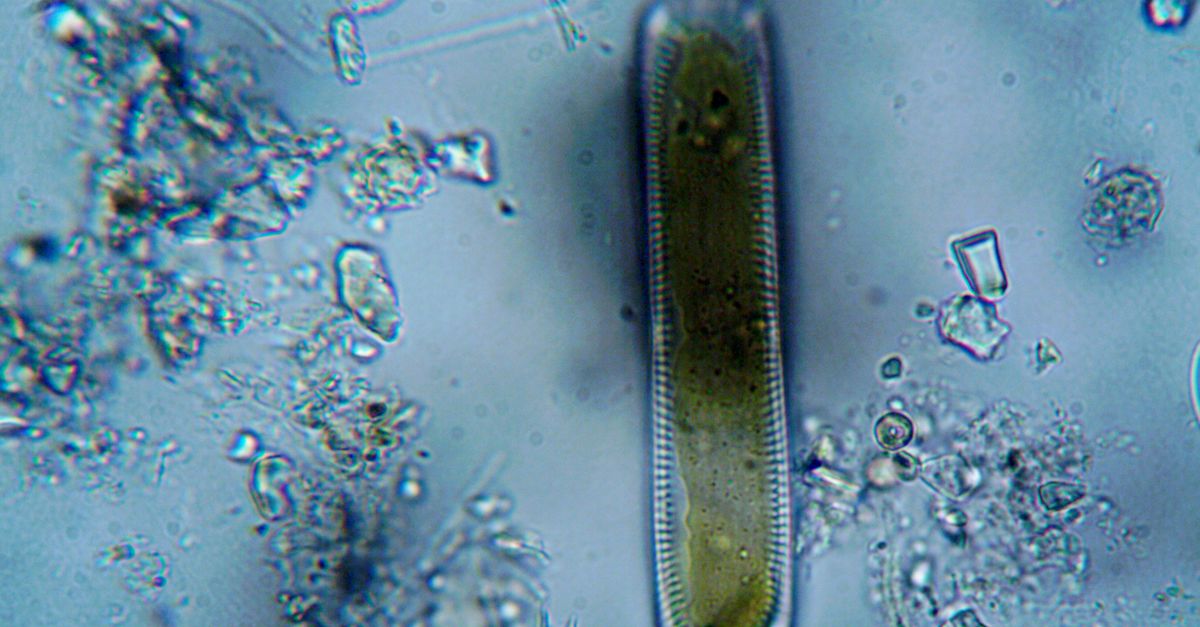
Three recent tech failures—a brain‑worm infection confirmed in a lab, an English hospital IT mistake that erased over a decade of maternity viewing history, and a waterproofing defect in Dyson’s $500 electric toothbrush—show how fragile complex systems remain.
A woman’s brain worm infection was confirmed after lab‑grown eggs sprouted tails, Ars Technica reported. In England, an IT error wiped 11 years of viewing history for maternity records, leaving hospitals to recover only the underlying patient‑care data. Meanwhile, Dyson admitted a component issue in its $500 toothbrush but stopped short of naming the failing part, hinting at a waterproofing problem.
A worm in the brain, literally
The case reads like a sci‑fi thriller, but the underlying biology is mundane. Neurocysticercosis, the technical term for a brain worm infection, has long been diagnosed by imaging and serology, yet no single definitive test exists. The article notes that “the tail is fairly convincing,” meaning that the laboratory observation of egg‑derived tails tipped the scales toward a positive diagnosis.
For the patient, the moment of confirmation feels less like a lab triumph and more like a jolt. The worm’s presence in brain tissue can trigger seizures, headaches, or cognitive fog—symptoms that mimic common ailments. When the lab finally saw the tail, it turned a vague suspicion into a concrete treatment plan, forcing clinicians to prescribe antiparasitic medication and monitor intracranial pressure.
The broader implication is that even low‑tech visual cues can outshine sophisticated panels when the stakes are high. In an era where AI‑driven diagnostics dominate headlines, this case reminds engineers that a clear, observable signal still matters.
Data loss in maternity wards
The English hospitals’ mishap illustrates how a single line of code can erase patient history that doctors rely on for continuity of care. The IT mistake erased 11 years of viewing history for maternity records, meaning that clinicians could no longer pull up past ultrasound images or appointment logs through the usual interface. The hospitals managed to recover the core patient‑care data, but the loss of viewing history hampers longitudinal analysis and patient counseling.
Maternity departments depend on historical views to track fetal growth trends, identify recurring complications, and support research. Without that timeline, clinicians must reconstruct histories from scratch, often resorting to paper notes or patient recollection—both error‑prone sources. The incident also raises questions about backup policies: why did the system retain raw data but not the metadata that makes it searchable?
Industry analysts note that health‑tech vendors have long warned about “data silos” and the need for robust versioning. The incident underscores that warning, showing that even well‑funded NHS trusts can fall prey to a simple scripting error. It also fuels a growing debate about whether hospitals should retain full audit trails for at least a decade, a standard that many regulators are now revisiting.
Dyson’s $500 toothbrush under the microscope
Dyson’s premium electric toothbrush, priced at $500, markets itself as a high‑performance oral‑care tool. The company recently acknowledged a component issue that may compromise waterproofing, yet it declined to specify which part fails. The admission is rare for a brand that typically frames product flaws as “isolated incidents.”
For users, the problem translates into a tangible risk: water ingress could short the motor, degrade the battery, or cause the brush head to detach mid‑stroke. Given the device’s price point, customers expect durability that matches the cost. The lack of detail leaves owners guessing whether a simple firmware update could fix the issue or whether a hardware recall is imminent.
From a design perspective, the incident highlights the tension between premium materials and manufacturability. Dyson’s reputation for over‑engineering—layering multiple seals, exotic alloys, and proprietary motors—can create hidden failure points. When a single component undermines waterproof integrity, the entire product’s value proposition collapses, especially for consumers who already invest heavily in dental health.
The pattern of fragile complexity
What ties a parasitic infection, a hospital data wipe, and a toothbrush defect together? Each story exposes a reliance on intricate, interdependent systems that lack graceful failure modes. In the worm case, a visual cue rescued a diagnosis that otherwise would have floated in uncertainty. In the hospital, a software script erased years of context that clinicians could not instantly regenerate. In the toothbrush, an undisclosed component threatens the whole device’s reliability.
These incidents also reveal a cultural blind spot: engineers and product teams often assume that “if it works today, it will keep working tomorrow.” The reality is that edge cases—whether a worm’s tail, a stray database query, or a minute seal breach—can cascade into user‑impacting failures. The tech community needs to embed more rigorous fault‑injection testing, transparent post‑mortems, and user‑centric risk assessments.
Moreover, the media coverage of each event differs. The worm story gets a sensational headline, the hospital data loss appears in niche tech outlets, and the toothbrush issue is buried in gadget reviews. This uneven attention can skew public perception of risk, making it harder for regulators and consumers to prioritize safety.
What to watch next
For the brain‑worm case, follow any updates from the treating hospital on treatment outcomes and whether the lab technique gains wider adoption. In the UK, monitor NHS IT policy revisions—especially any mandates on audit‑trail retention for maternity data. With Dyson, watch for a formal recall notice or a detailed service bulletin that pinpoints the faulty component. Each of these threads will reveal whether the industry learns from these hiccups or simply moves on.
Related Articles
DOJ, CDC, and Regulators Ramp Up Legal Pressure Across Tech
Federal agencies target a former Trump aide, a vaccine study, and outdated car lights while a missile factory threatens a New Mexico community.

Synthetic Turf, Gas Stoves, and Cyborg Cells: Health Risks Rise
California’s turf boom, a contested gas‑stove study, and UC‑Davis cyborg cells spotlight growing health debates around new technologies.

Tesla Roadster 2 flips with old Lockheed thrusters
Tesla’s new Roadster 2 uses decades‑old Lockheed Martin compressed‑gas thrusters to spin the 230‑mph car in the air, sparking debate over its practicality.