

Tesla Roadster 2 flips with old Lockheed thrusters

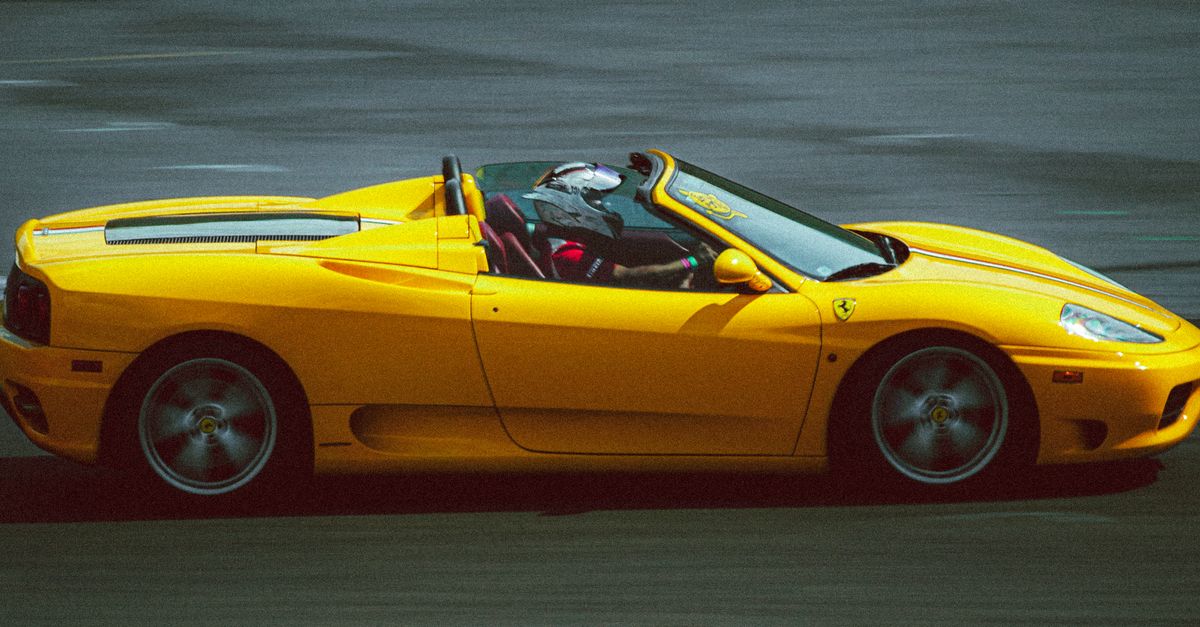
Photo by Mario Alvarado on Pexels
The latest Tesla Roadster can spin itself in mid‑air, and it does so with a set of gas thrusters that look ripped from a stunt show. The effect is as much a publicity stunt as a technical showcase, but it also raises real questions about how far a hyper‑car can push the boundaries of physics.
Tesla’s Roadster 2, billed as a 230‑mph electric coupe, carries a pair of compressed‑gas thrusters borrowed from a Lockheed Martin system that has been used for decades to flip cars in controlled crashes. The thrusters fire on command, delivering a burst of pressure that can lift the rear of the vehicle and rotate it around its longitudinal axis. Engineers demonstrated the maneuver on a test track, showing the car briefly airborne before it lands and rolls forward.
The mechanics behind the spin
Lockheed’s thruster design dates back to a period when the aerospace contractor was experimenting with ways to safely recover test vehicles that left the ground unintentionally. The system uses high‑pressure gas stored in robust cylinders; when a valve opens, the gas exits through a nozzle, creating thrust in the opposite direction of the desired motion. In a car, the nozzles are mounted near the rear axle, so a short burst pushes the back up while the front stays planted, causing a rapid pitch‑up.
Tesla’s engineers adapted the concept for the Roadster by integrating the cylinders into the chassis and linking the thrusters to the vehicle’s control software. A driver‑initiated command triggers a precise pulse, timed to the car’s speed and suspension travel. The result is a controlled flip that lasts less than a second but is visually dramatic. Because the thrust is generated by gas rather than electricity, the system bypasses the high‑current demands that would strain the Roadster’s battery.
Why a legacy stunt system, not a bespoke solution?
Tesla could have designed a custom electric actuator, but the company chose the off‑the‑shelf Lockheed rig for speed and reliability. The thruster technology has been vetted in high‑risk environments for years, meaning it already meets stringent safety standards. By leveraging an existing system, Tesla avoided a lengthy development cycle and could showcase the feature at a press event with minimal risk of failure.
The decision also signals Tesla’s willingness to repurpose aerospace hardware for automotive thrills. The company has a history of borrowing from rocket tech—think of the Falcon‑derived battery packs—but this is the first time a pure‑gas system has been integrated into a road‑legal vehicle. Critics argue the move is more about spectacle than substance, noting that the added weight and complexity could compromise handling in everyday driving.
What the flip means for performance car engineering
A 230‑mph electric car already pushes the envelope of power‑to‑weight ratios, and adding a gas‑thruster system introduces a new variable into the performance equation. The extra mass of the gas cylinders and plumbing can affect the car’s center of gravity, potentially reducing cornering confidence. Moreover, the system’s reliance on consumable gas means owners will need to refill the tanks periodically, introducing a maintenance cadence that most sports‑car buyers are not used to.
On the other hand, the technology could inspire new approaches to active aerodynamics. If a vehicle can generate thrust on demand, it could use similar mechanisms to counteract lift at high speeds or to assist braking in emergencies. The Roadster’s demo hints at a future where cars manipulate airflow and forces more dynamically, blurring the line between mechanical grip and engineered thrust.
Industry observers note that the flip is unlikely to become a mainstream feature. The cost of integrating a certified aerospace thruster, the regulatory hurdles of storing high‑pressure gas in a passenger vehicle, and the limited practical benefit all weigh against mass adoption. Still, the stunt forces competitors to consider how unconventional engineering can differentiate a hyper‑car in a crowded market.
Market reaction and regulatory outlook
The automotive press has been quick to label the Roadster’s spin as a gimmick, but some analysts see a strategic angle. By demonstrating a capability that no other electric hyper‑car currently offers, Tesla reinforces its brand as a provocateur that tests the limits of what a road car can do. Investors have responded with a modest uptick in sentiment, though the effect appears short‑lived.
Regulators, meanwhile, are watching the use of compressed‑gas systems in consumer vehicles with caution. Safety standards for high‑pressure cylinders are strict, and any incident involving a rupture could trigger a broader inquiry into the legality of such installations. Tesla will need to file detailed compliance documentation with transportation authorities before the Roadster can be sold to the public with the thrusters enabled.
What to watch next
The next milestone for the Roadster 2 will be its homologation test run, where the car must meet safety and emissions standards while retaining the thruster package. Keep an eye on Tesla’s filing with the National Highway Traffic Safety Administration for any updates on certification. A successful approval could pave the way for limited‑edition models that include the flip as a factory option, while a setback would likely relegate the feature to a demo‑only gimmick.
Beyond the Roadster, watch how other manufacturers respond. If a competitor releases a comparable active‑thrust system, it could spark a mini‑arms race in aerodynamic manipulation. Conversely, if regulators clamp down, the industry may shift focus back to pure electric power and conventional aero solutions. Either way, the next few months will reveal whether Tesla’s airborne stunt is a fleeting spectacle or the first step toward a new class of performance engineering.
Related Articles
Tesla’s Roadster revamp aims to fund Model 3 woes
Tesla unveiled a $200k Roadster with a $250k Founder Series, but the move masks shaky Model 3 production and cash burn.

Tesla's China recall avalanche exposes systemic safety gaps
Tesla faces three massive recalls in China, covering over 4 million cars, as regulators clamp down on safety flaws from door handles to suspension and cruise control.
GM cuts simulation time to a minute with AI
General Motors shrank CFD and FEA runs from 15 hours to a minute using AI, sparking debate on hype versus impact across tech circles.