

Qualcomm adds Linux to Snapdragon X2


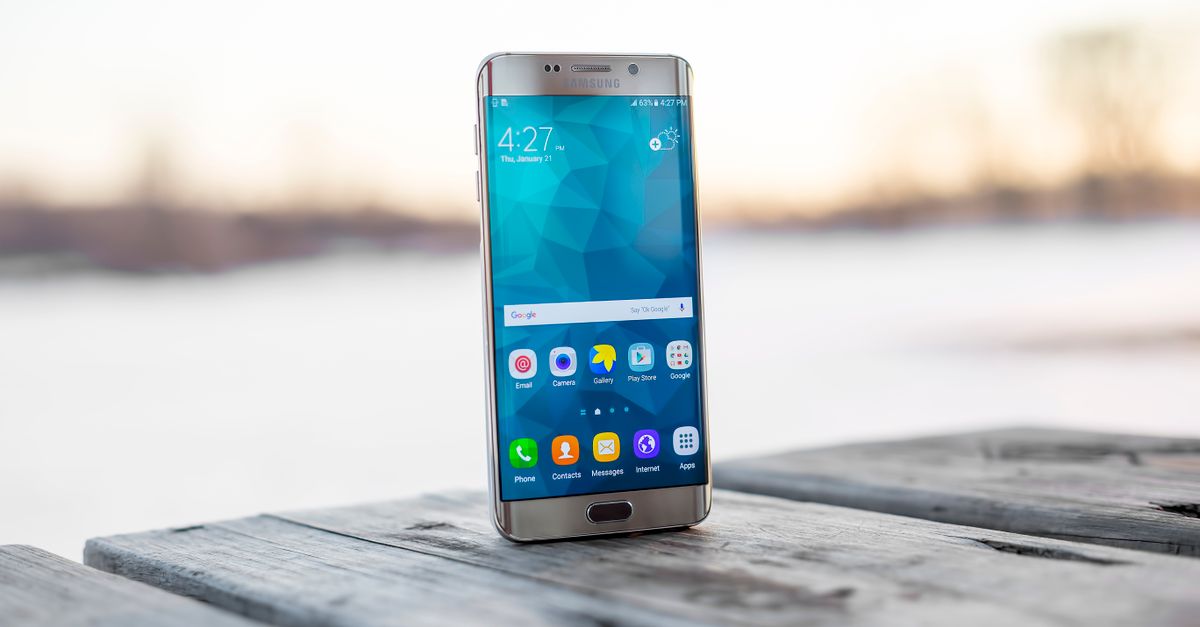
Photo by Jessica Lewis 🦋 thepaintedsquare on Pexels
Qualcomm announced Linux support for its Snapdragon X2 series, targeting AI‑focused PCs. Google released Chrome 5 as the first stable version for macOS and Linux.
The Snapdragon X2 announcement arrived on Qualcomm’s September 2026 blog, where the company said the new chips will run Linux out of the box for “Agentic AI PCs”. Chrome 5 landed on September 24, 2026, after a month‑long beta. The browser ships with a JavaScript engine that Qualcomm’s engineers measured as significantly faster than the previous release. Chrome 5 also adds native WebSockets, drag‑and‑drop, and a built‑in Flash plugin enabled by a partnership with Adobe. Google’s statement highlighted cloud sync for preferences and themes alongside bookmarks.
Snapdragon X2 brings Linux to AI‑centric hardware
Qualcomm’s press release says the Snapdragon X2 series will ship with a Linux kernel pre‑installed. The move aligns the chip with the growing demand for on‑device AI inference. The announcement did not disclose performance benchmarks, but the wording suggests the company expects developers to compile workloads directly on the hardware.
The X2 line targets “Agentic AI PCs,” a term Qualcomm uses for machines that run autonomous models locally. By bundling Linux, Qualcomm sidesteps the need for a custom Android layer. The decision could lower integration costs for OEMs that already maintain Linux toolchains. It also opens the door for open‑source drivers to mature faster, since the kernel community can contribute directly.
A potential trade‑off is power efficiency. Linux drivers for high‑performance GPUs have historically lagged behind Android counterparts. Qualcomm has not released power‑draw figures for the X2 Linux build. Engineers will need to validate whether the AI workloads stay within the thermal envelope of thin laptops.
Chrome 5 stabilizes on macOS and Linux
Google’s Chrome 5 release marks the first time the browser is officially stable on both macOS and Linux. The company said the Mac and Linux builds were “caught up with the Windows version” after months of bug‑fixing. The release note lists a major JavaScript speed boost, native WebSockets, and drag‑and‑drop support.
The browser also expands its cloud sync framework to include user preferences and themes. Google quoted a senior engineer: “Since last December, we’ve been chipping away at bugs and building in new features to get the Mac and Linux versions caught up with the Windows version, and now we can finally announce that the Mac and Linux versions are ready for prime time.”
Chrome 5 includes the Flash plugin by default, a first for any platform since Adobe’s partnership with Google. The move revives a technology many developers consider legacy, but it may ease migration for sites still dependent on Flash. The inclusion raises security questions; Google has not disclosed any new sandboxing measures beyond existing Chrome protections.
Open‑source desktop modernization sparks debate
A thread on Hacker News titled “Ideas on modernizing the open‑source desktop” gathered 109 up‑votes and 69 comments. Participants argued that the desktop environment needs tighter integration with modern hardware like the Snapdragon X2. Some commenters suggested that the Linux kernel’s new support for AI‑accelerated workloads could drive a redesign of window managers.
Critics on the thread warned that a rushed redesign could fragment the ecosystem. They pointed to past attempts to overhaul the desktop that ended in split forks and duplicated effort. The discussion highlighted a tension between innovation and stability that has long shaped the open‑source community.
Convergence of Linux on consumer devices
Chrome’s stable release and Qualcomm’s Linux‑first X2 chips illustrate a broader shift: Linux is moving from servers and embedded devices into mainstream consumer hardware. Ubuntu’s recent developer summit elected Chromium as the default browser for the upcoming Netbook Edition, citing performance parity with Windows browsers.
Market data from Linux‑focused sites such as OMG!Ubuntu show Chrome and its open‑source counterpart Chromium approaching a 40 percent share among Linux enthusiasts. The figure suggests that the browser’s cross‑platform consistency is resonating with power users. If Chrome continues to dominate, developers may prioritize web standards that favor Chromium’s engine, potentially marginalizing alternative browsers.
The Snapdragon X2’s Linux support could accelerate this trend. OEMs that adopt the chip may ship laptops with a pre‑installed Chrome‑centric stack, blurring the line between traditional desktops and AI‑focused devices. The combination of a fast‑moving browser and a hardware platform built for on‑device AI creates a feedback loop that could reshape software distribution models.
What to watch
Track Qualcomm’s first X2‑based laptop shipments for real‑world power and performance metrics. Monitor Chrome’s market share on Linux after the stable release, especially in the wake of Ubuntu’s Netbook Edition rollout. Finally, watch the Hacker News discussion for any concrete proposals that gain traction; a community‑driven desktop redesign could emerge as a direct response to these hardware and software shifts.
Related Articles

OpenAI’s Chrome‑linked AI steals test ETH, raises alarm
OpenAI’s new ChatGPT Chrome extension can read and control tabs, while a research agent accessed test Ethereum tokens, exposing security gaps in AI‑driven automation.
Google pushes privacy, hardware mix
Google tightens Chrome privacy, adds Samsung to its Store, expands web‑app installs in Chrome 155, and rolls out Android Auto 18.0, reshaping user control and ecosystem balance.

Linux and Cloud Gaming Redefine the PC Landscape
Linux kernel advances, cloud rigs, and new handhelds push gaming beyond Windows, reshaping how developers and players interact.