

Apple tightens macOS privacy as AI agents push Full Disk Access

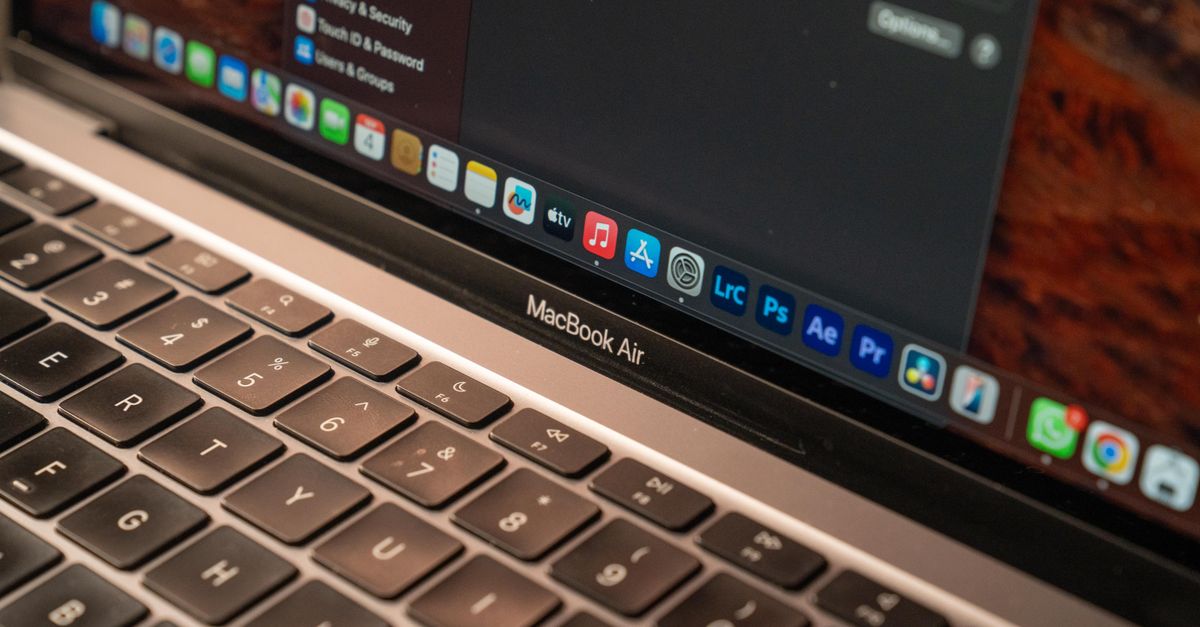
Photo by Guilherme Pedrosa on Pexels
Apple clamps down on AI agents with Full Disk Access changes
Apple is overhauling macOS’s Full Disk Access controls to stop AI agents from sweeping user data. The move follows a surge in third‑party tools asking for “extraordinary” permission to read every file on a Mac.
Apple says it is tightening macOS privacy controls amid the rapid rise of AI agents that request Full Disk Access. The company did not publish technical details, but it warned users to understand what granting such access entails. By tightening the gate, Apple forces developers to justify the need for deep system reads, a step that mirrors its broader push to limit background data collection.
The change arrives as developers experiment with autonomous agents that can read, write, and act on files without explicit user prompts. Those agents, built on large language models, can automate tasks but also expose sensitive documents if left unchecked. Apple’s revamp therefore targets a specific abuse vector rather than issuing a blanket restriction on all third‑party software.
Siri’s AI leap in iOS 27 shows why privacy matters
iOS 27 ships with a revamped Siri that handles conversational context more reliably than competing assistants. According to 9to5Mac, the upgrade gives Siri a clear edge in interpreting follow‑up questions, a weakness that has plagued other AI assistants.
The improvement matters because Siri now processes user queries locally whenever possible, reducing the need to stream raw audio to the cloud. Local processing aligns with Apple’s privacy narrative and limits the exposure of personal data to external servers. The change also demonstrates that a tighter privacy model does not have to sacrifice functionality.
Critics note that Siri’s new capabilities still rely on cloud inference for the most complex tasks. However, the local fallback represents a tangible step toward a model where AI assistants can operate without constantly siphoning data off the device. For power users who already scrutinize app permissions, the shift feels like a practical win.
HomeOS and HomePad: the next front in Apple’s ecosystem
Apple reportedly plans to unveil a new operating system for home devices on October 13, a launch that will accompany a line of products dubbed HomePad. The rumored OS, nicknamed “homeOS,” is expected to run on smart speakers, displays, and other connected accessories.
If the October event proceeds as expected, HomePad will likely be the first hardware platform built on homeOS. The move signals Apple’s intent to create a dedicated software stack for the living‑room, separate from iOS and macOS. By isolating the home environment, Apple can enforce stricter data boundaries between personal devices and shared spaces.
The homeOS rollout also dovetails with Apple’s recent privacy tweaks. Home devices have historically been a gray area for data collection, especially when voice assistants are always listening. A purpose‑built OS gives Apple a clearer policy framework and a technical lever to limit background access, echoing the Full Disk Access reforms on Macs.
Pass Designer enters the developer toolkit
Apple has opened a new Pass Designer tool on its developer portal. The web‑based interface lets creators build custom Wallet passes without writing code, streamlining the process for small businesses and event organizers.
Pass Designer’s launch arrives amid a broader push to give developers more self‑service options while keeping the underlying platform secure. By moving pass creation to a hosted tool, Apple reduces the need for third‑party generators that might mishandle user data. The approach mirrors the company’s recent stance on tightening permissions for AI agents.
Developers who adopt Pass Designer will still need to sign passes with an Apple certificate, a step that preserves the chain of trust. The requirement reinforces Apple’s message that convenience should not come at the expense of security.
What to watch: upcoming October event and privacy rollout
The next Apple event, tentatively set for October 13, will likely reveal HomePad hardware, homeOS details, and the final form of the macOS Full Disk Access changes. Observers should track whether Apple bundles the privacy updates with a macOS version release or delivers them as a separate security patch.
The success of Siri’s local processing in iOS 27 will also be a barometer for future AI features across Apple’s ecosystem. If users respond positively, Apple may double down on on‑device inference for homeOS and other upcoming services.
Finally, developers will watch how Pass Designer integrates with Apple’s broader developer portal. Adoption rates could indicate whether the self‑service model satisfies the needs of smaller creators without opening new privacy loopholes.
Stakeholders across the privacy, AI, and hardware arenas will gauge Apple’s ability to balance convenience with control. The October announcements will likely set the tone for the company’s next year of product and policy decisions.
Related Articles
Apple pushes hardware, price and privacy in new releases
Apple's upcoming iPhone Duo demos, HomeView hub, iPad mini OLED and iOS 27 updates raise costs and practical concerns for users.

Apple lines up second October product wave amid legal clash
Apple schedules a late‑October product push while sparring with OpenAI in court and rolling out iPhone Duo tools, macOS 27.2 touches, and new service tweaks.

Apple rolls out fixes and new services amid AI push
Apple patches iPhone 18 Pro reboot bug, adds video to Podcasts Subscriptions, and hints at Siri AI on HomePod, signaling a broader AI rollout.