

Google pushes Android 17 QPR3 Beta amid Android Auto AI hiccups

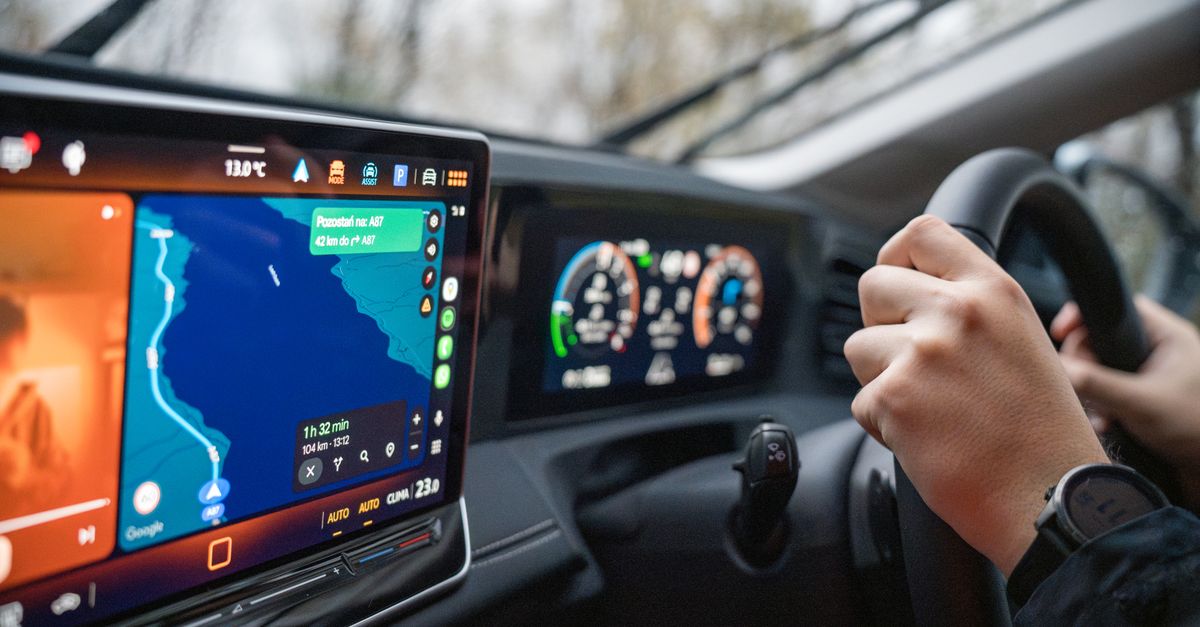
Photo by Michał Robak on Pexels
Google launched Android 17 QPR3 Beta 1 today, kicking off the final preview before the March 2027 stable release. The move reshapes the timeline for developers who have been waiting for the next set of platform APIs.
The beta arrived in a rapid rollout across Pixel devices and select Android partners, according to the Android developers blog. Google listed the preview as the third Quarterly Platform Release (QPR) for Android 17, promising new privacy controls, refined background‑execution limits, and a refreshed notification shade. The March 2027 target aligns with the company’s historic six‑month cadence for major Android releases, but the beta’s early availability squeezes the testing window for OEMs and app makers.
Gemini, Google’s generative‑AI assistant, entered Android Auto last month with the promise of conversational navigation and hands‑free queries. Early adopters praised the natural‑language responses, but a growing number of drivers report that the assistant simply quits when asked for directions or traffic updates. The failure manifests as a silent drop‑out rather than an error message, leaving the driver to revert to manual input.
The issue appears tied to a timeout in the voice‑recognition pipeline that triggers when the system cannot fetch a real‑time answer within a few seconds. Users on the Android Auto beta channel see the assistant say, “I’m sorry, I don’t have an answer,” then stop listening. Google’s internal tracker flags the problem as “high priority,” but no fix has landed in the latest Android Auto release.
The silence is more than a nuisance; it undermines the core value proposition of Gemini on the road. Drivers who rely on hands‑free assistance for complex queries now face a choice: stick with the buggy AI or fall back to the legacy Google Assistant, which lacks Gemini’s contextual depth. The trade‑off could slow adoption of AI‑driven features across the automotive market.
Meanwhile, Google confirmed a series of Android Auto updates aimed at media‑app developers. The updates, rolled out over the past few months, introduce standardized playback controls, improved Bluetooth latency handling, and a mandatory UI element known as the “squiggly line.” The line appears beneath the media bar to indicate active streaming and will remain in the UI indefinitely, according to the Android Auto release notes.
The squiggly line was first tested in an internal prototype two years ago but never shipped to the public. Its persistence now signals Google’s intent to create a uniform visual cue across all third‑party media apps. Developers who previously relied on custom animations must now accommodate the line, which may limit creative branding but ensures a consistent user experience.
The media‑app fixes also address a long‑standing bug where background audio would cut off when the vehicle switched Bluetooth profiles. The patch synchronizes audio routing with the car’s infotainment stack, reducing drop‑outs during lane changes. Early feedback from popular streaming services suggests a noticeable stability gain, though some users still report occasional stutters on older head‑units.
These Android Auto changes arrive as the platform wrestles with the Gemini rollout. The juxtaposition highlights Google’s dual focus: polishing the core media experience while wrestling with AI reliability. Competitors such as Apple CarPlay and Amazon Alexa Auto have already delivered stable conversational assistants, putting pressure on Google to close the gap before the March 2027 Android 17 launch.
Historically, Android Auto’s evolution has been incremental. The first public beta in 2014 introduced basic mirroring, and each subsequent version added deeper vehicle integration. Gemini represents the first generative‑AI layer, a leap that mirrors the broader AI push across Google’s ecosystem. However, the current regression suggests that the integration pipeline is still fragile, especially when real‑time data streams intersect with on‑device inference.
The broader Android community watches the QPR3 beta for signs of how Google will handle AI‑driven features at the OS level. If Gemini’s timeout bug persists into the stable Android 17 release, OEMs may be forced to ship devices with a disabled assistant, echoing the “feature‑freeze” approach seen in previous releases. Conversely, a swift fix could set a new benchmark for in‑car AI, forcing rivals to accelerate their own road‑map.
What to watch – The next Android Auto beta, scheduled for early February 2027, should contain a fix for Gemini’s answer‑dropout bug. Developers should also monitor the Android 17 release notes for any changes to the squiggly line policy, as a redesign could ripple through media‑app UI strategies. Finally, keep an eye on OEM announcements; a carrier‑grade rollout of Gemini before the March stable launch would signal that Google has finally tamed the AI‑in‑the‑car problem.
Related Articles
Android 17 rollout bumps into Samsung, Wallet redesign
Google's Android 17 push faces Samsung incompatibility while rolling out Wallet UI changes, Pixel Buds firmware, and an offline AI note‑taking app for Mac.
Google adds AI to Android with Health 5.08 and Find Hub update
Google rolls out Health 5.08 and a Gemini‑powered Remembered tab in Find Hub, tightening AI across Android.
Google updates Clock timers, Gemini Photos, Motion Assist
Google refreshed the Clock app’s timer UI, let Gemini Spark automate Google Photos, and began rolling Motion Assist to Android 17 devices.