

Russia plague probe, Atlantic calm, Oil firms seek court shield

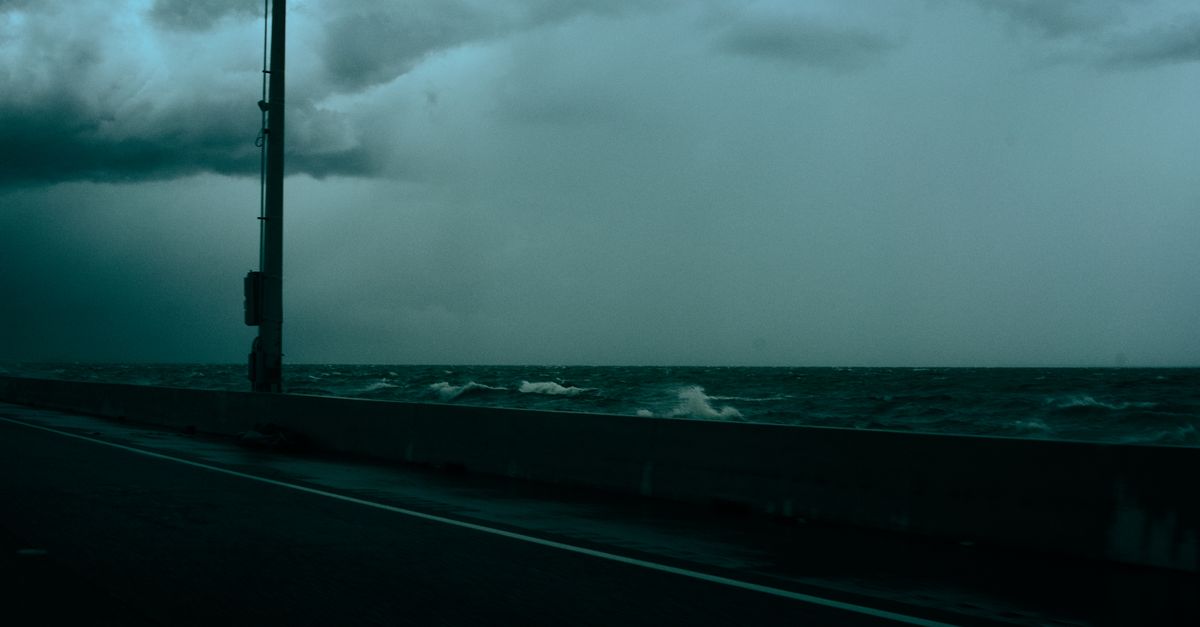
Photo by Matt Stone on Pexels
Russian lab death sparks plague inquiry
A laboratory employee died in Russia under circumstances that now include a possible plague infection. The case has prompted local health officials to order testing for Yersinia pestis.1234567
WIRED noted that even if plague is confirmed, the probability of community spread remains minimal.36 Russian epidemiologists emphasized that the bacterium requires specific vectors and close contact to sustain an outbreak.356 The investigation will determine whether the pathogen entered the lab through a breach in biosafety protocols or an external source.1346
The probe will involve the Federal Service for Supervision of Consumer Rights Protection and Human Welfare, which oversees laboratory safety standards.678 Their report will detail containment measures and any corrective actions required to prevent future incidents.
Atlantic hurricane season remains unusually quiet
Ars Technica reported that the Atlantic tropics have produced no named storms this year, a stark contrast to the average of twelve cyclones in a typical season. Meteorologists attribute the lull to a combination of cooler sea surface temperatures and a persistent high-pressure ridge.
The lack of activity reduces immediate threats to coastal infrastructure, but forecasters caution that the pattern can shift rapidly. Historical data shows that dormant periods often precede sudden bursts of activity later in the season. Emergency management agencies remain on alert, maintaining readiness for rapid deployment should a system develop.
The National Hurricane Center continues to monitor tropical waves, issuing advisories when convection reaches threshold levels. Their models indicate that the current atmospheric setup could still support storm formation in the coming weeks, despite the current quiet.
Oil majors petition Supreme Court to halt climate lawsuits
Ars Technica also covered a joint filing by several large oil companies asking the U.S. Supreme Court to block state climate deception claims before trial. The petition argues that federal law preempts the suits, asserting that the Clean Air Act grants the Environmental Protection Agency exclusive authority over emissions regulation.
The filing references the 2021 West Virginia v. EPA decision, which limited the agency’s ability to reinterpret statutory mandates. The oil firms contend that state courts lack jurisdiction to impose liability for alleged misinformation about climate risks.
Legal scholars note that the Supreme Court has historically been reluctant to intervene in ongoing state litigation without a clear federal question. The petition therefore hinges on whether the Court will view the climate claims as a direct conflict with federal regulatory scheme.
Implications for public health, climate policy, and disaster preparedness
The three stories intersect on the theme of institutional response to low-probability, high-consequence risks. Russia’s plague probe underscores the importance of strict biosafety oversight in preventing zoonotic spillover. The Atlantic’s calm season offers a temporary reprieve, yet the underlying atmospheric drivers suggest that preparedness cannot be relaxed.
The oil companies’ Supreme Court request highlights a legal strategy aimed at limiting state-level accountability for climate impacts. If the Court grants the petition, it could set a precedent that shields large emitters from future climate litigation, potentially slowing policy-driven emission reductions.
Stakeholders across sectors must weigh the immediate data against longer-term risk trajectories. Public health officials will watch the Russian investigation for lessons on laboratory containment. Meteorologists will track the Atlantic’s atmospheric patterns for early signs of cyclogenesis. Environmental attorneys will monitor the Supreme Court docket for indications of how federal preemption arguments will be received.
What to watch next
The next weeks will reveal whether Russian labs confirm plague involvement and what containment steps follow. The National Hurricane Center will issue its first advisory if a tropical disturbance reaches naming criteria. Finally, the Supreme Court’s briefing schedule will indicate when it may hear arguments on the oil firms’ preemption claim, a decision that could reshape climate litigation strategy.
Footnotes
Related Articles

Apple Expands Wallet Keys, Moves iPhone Duo Dates
Apple widens CarKey support to GM brands, advances iPhone Duo deliveries, and teases a touchscreen MacBook, reshaping its ecosystem.

Wyze scale COROS smartwatch and AppaMed shift health tech
Wyze adds a visible display and Google Health sync to its BodyScan Plus scale, COROS releases a 19‑day battery Pace 4 for runners, and AppaMed offers a free web‑based medication manager.

Samsung's foldable discounts clash with looming Z Fold 9 leaks
Best Buy slashes prices on the Galaxy Z Fold 8 while leaks hint at a complex Z Fold 9 lineup and a new slideable phone, all amid Samsung’s component delays.