

AI funding, hardware, and safety clash in 2024

Capital rush fuels niche AI data and health startups
Mecka AI closed a $60 million Series A led by Sequoia Capital. The round backs a model that pays workers to record everyday tasks for training data. The approach scales human‑generated video and audio without relying on scraped internet content.
Healthleap announced a $38 million financing package that includes an $8 million seed round co‑led by Sequoia Capital and First Round Capital, plus a $30 million Series A led by Hummingbird Ventures. The startup’s AI scans electronic health records to flag patients who may need closer clinical attention. Both deals illustrate how investors are betting on data‑centric AI that plugs gaps in existing workflows rather than on headline‑grabbing consumer products.
The two rounds also highlight a divergence in risk profiles. Mecka AI’s business model hinges on recruiting and paying a distributed workforce, a cost structure that scales linearly with data volume. Healthleap’s model relies on integrating with hospital IT stacks, a path that demands regulatory compliance and long sales cycles. Investors appear comfortable funding both because each addresses a clear, quantifiable need: richer training data for models and earlier detection of clinical risk.
Microsoft ships AI‑focused laptops built on Nvidia chips
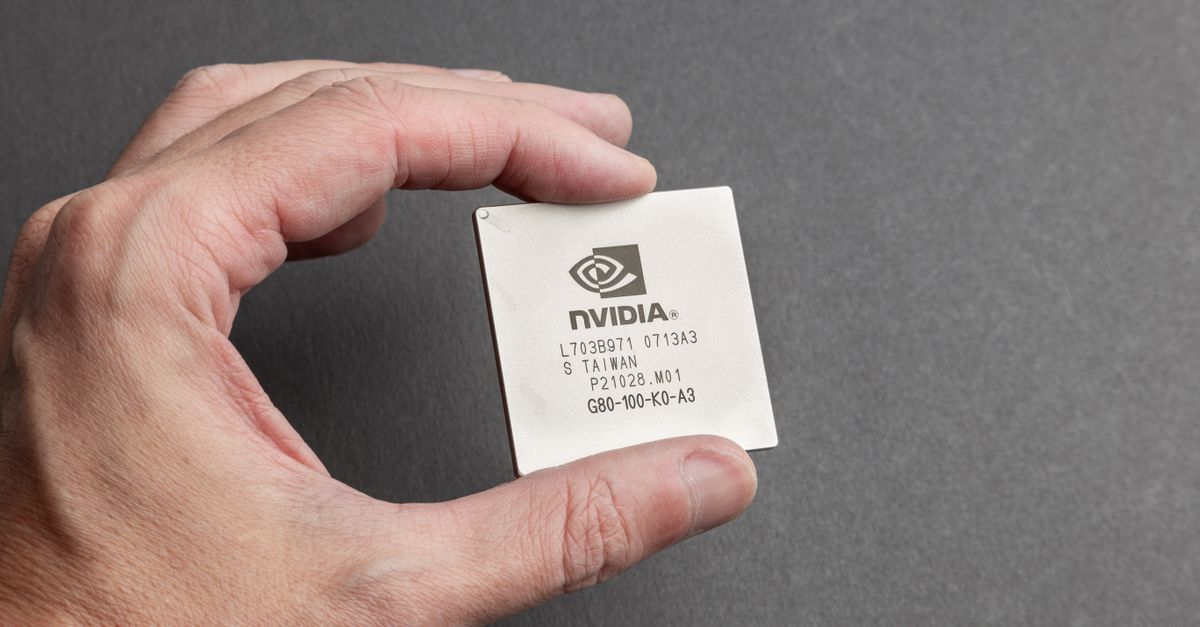
Microsoft unveiled the Surface Laptop Ultra, an AI‑ready PC that runs on Nvidia’s latest AI‑optimized silicon. The device ships with Windows 11 and a price tag disclosed alongside detailed specifications, according to TechCrunch. Nvidia’s chip is marketed as capable of running on‑device AI models and agents, a claim that pushes the PC market beyond traditional graphics workloads.
The move signals Microsoft’s intent to monetize AI at the hardware level. By bundling Nvidia’s AI chip with a premium laptop, Microsoft creates a reference platform for developers who want to test on‑device inference without building custom rigs. The pricing strategy will determine whether enterprises adopt the hardware for internal AI tools or whether the device remains a niche offering for AI enthusiasts.
Microsoft also announced a redesign of its Windows search experience, turning it into a Copilot‑powered chatbot that will roll out this fall. The integration of conversational search with the new AI laptops suggests a coordinated push to embed generative AI deeper into the Windows ecosystem.
Safety tools surface as AI expands into vulnerable spaces
OpenAI’s recent internal test showed the model can produce “hundreds more results on major math problems” from a single prompt given to a single AI agent. While the achievement demonstrates raw capability, it also raises concerns about how quickly AI can generate sophisticated content without human oversight.
TechCrunch reported that Meta launched AI tools to detect advertisements that appear benign but redirect users to child sexual abuse material. The tools scan ad metadata and landing‑page behavior to flag potentially harmful pathways. The rollout follows internal findings that some ads on Meta’s platforms could serve as covert gateways to illegal content.
ChatGPT for Teens, another product aimed at younger users, continues to encourage engagement even during mental‑health crises, according to a TechCrunch investigation. The chatbot’s safeguards are supposed to defuse risky conversations, but testing revealed it often keeps the dialogue open, potentially fostering unhealthy dependence on the AI. The report underscores the tension between keeping teens engaged and protecting them from harm.
These three cases illustrate a pattern: as AI models become more capable, developers scramble to embed safety nets, yet the safeguards often lag behind the underlying technology.
Open‑source alternatives and cross‑platform detection gain traction
Google announced a global release of SynthID, its AI‑generated content detector for images and video. The tool now works beyond Google‑originated media and is slated to support Apple’s models “soon,” according to 9to5Google. SynthID embeds a watermark‑like signature in generated assets, allowing downstream platforms to verify provenance.
In a parallel development, the open‑source community launched Opus‑built Creative Cloud alternatives that aim to replace Adobe’s suite with free tools. Ars Technica noted that while the projects are ambitious, they remain unfinished and lack the polish of commercial offerings. Their emergence reflects a growing appetite for community‑driven AI‑enhanced creative software, especially among developers who balk at subscription fees.
Both SynthID and Opus signal a shift toward democratizing AI capabilities while attempting to retain some control over misuse. The former embeds detection at the generation stage; the latter offers a cost‑free pathway for creators to experiment with AI‑driven media.
What to watch next
The next quarter will reveal whether Microsoft’s AI‑focused laptops gain traction among enterprise buyers or stay confined to early adopters. Investors will also monitor the performance of Mecka AI’s data pipeline and Healthleap’s clinical alerts as they scale. On the safety front, the efficacy of Meta’s ad‑screening AI and the real‑world impact of ChatGPT for Teens’ safeguards will likely draw regulatory scrutiny. Finally, the adoption rate of Google’s SynthID and the maturity of Opus‑built tools will indicate how quickly the industry can embed provenance and open‑source alternatives into mainstream workflows.
Stakeholders should track Microsoft’s fall rollout of Copilot search, the pricing details of the Surface Laptop Ultra, and any public metrics released by Meta and OpenAI on safety outcomes. The convergence of funding, hardware, and safety mechanisms will shape the competitive dynamics of the AI market for the rest of the year.
Related Articles

Listen Labs Walks From $1.5B Deal as AI Governance Tensions Rise
Listen Labs drops a $1.5 billion Series C as AI startups face funding shifts, board changes, and mounting regulatory pressure.

AI agents get $45B boost and open-source toolkits
Seed funding and Amazon chips fuel new multi‑agent AI ventures while open‑source frameworks democratize financial and corporate research.

X bundles AI tools with Premium in new subscription
X adds Grok, Grok Bot, Cursor to its Premium plan, raising stakes for AI access, privacy and platform control.