

X bundles AI tools with Premium in new subscription

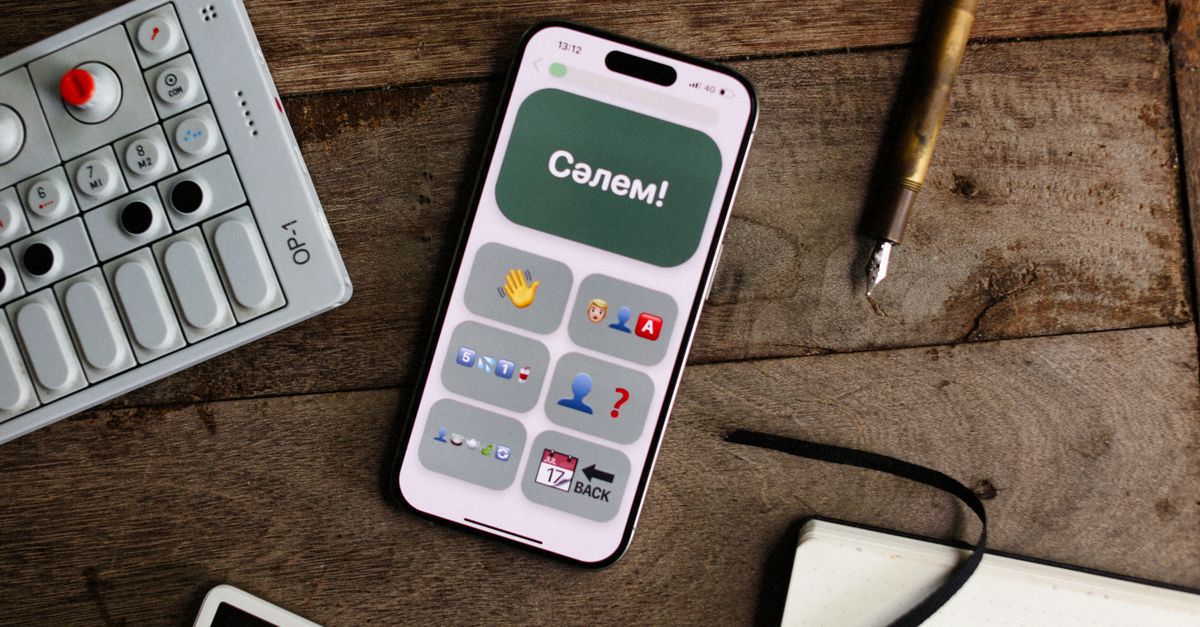
Photo by Alexey Demidov on Pexels
X rolled out a single‑price plan that tacks Grok, Grok Bot, Cursor and X Premium onto one monthly bill.
SpaceXSI announced the bundle on Monday, saying subscribers will get the same AI‑driven search, code‑completion and chat features that have lived behind separate paywalls, plus the ad‑free timeline of X Premium. The company did not disclose a price point, but the move signals a shift from a la carte AI add‑ons to a catch‑all subscription.
The bundle and its components
Grok, the large‑language model X has been touting since early 2024, powers the conversational bot that answers user queries in real time. Grok Bot extends that capability to third‑party integrations, letting developers embed the model in apps without building their own backend. Cursor, meanwhile, is a code‑assistant that suggests completions and refactors snippets as you type. X Premium, the legacy ad‑free experience, adds timeline customization and early access to new features.
Putting the four together means a single login now unlocks a full stack: chat, developer tools and a cleaner feed. For power users who already pay for each service, the bundle promises convenience; for casual users, it forces a decision to opt in to AI‑driven experiences they may never need.
Why X is pushing AI now
Elon Musk has made Grok the public face of X’s AI ambitions. A recent Wired piece noted Musk bragging about a Grok‑themed LEGO Star Wars set, then watching X users flood his feed with jokes about “security.” The stunt underscores Musk’s strategy of tying personal branding to the model’s rollout.
The timing aligns with a broader industry scramble for AI revenue. Competitors such as Microsoft and Google have embedded large models in cloud suites, while startups sell API access by the call. By bundling, X sidesteps the pricing war and bets on subscription stickiness. The company can also cross‑sell Premium’s ad‑free promise to developers who already rely on Grok for code help.
Privacy and data stewardship
Bundling AI tools raises questions about how user data fuels the models. Last month, Norway fined a Microsoft subsidiary $9.6 million for allegedly misusing Grindr user data, giving regulators a concrete example of the financial risk tied to data‑handling lapses. X’s own data policies have faced scrutiny, especially after the platform announced that AI interactions will be logged to improve model performance.
The issue extends beyond commercial misuse. An Engadget explainer on digital estates highlighted that when an account owner dies, platforms must decide whether to delete, archive or transfer data. X has yet to publish a clear protocol for AI‑generated content in deceased accounts, leaving a gap that regulators could probe. The combination of AI training loops and estate handling creates a privacy knot that could attract enforcement attention similar to the Norwegian case.
Competitive and regulatory context
Apple and Google have already rolled out “inactive account” settings that let users pre‑define data handling after death. X’s lack of a comparable feature puts it at odds with the emerging norm of digital continuity. At the same time, the EU’s AI Act, expected to take effect next year, will impose transparency and risk‑assessment obligations on high‑risk models like Grok.
If X’s subscription model proves popular, it could pressure rivals to adopt similar bundles. Microsoft’s Azure OpenAI service, for example, currently charges per‑token usage; a flat‑rate could lure developers away. Conversely, regulators may view the bundle as a way to obscure how AI usage translates into data collection, prompting tighter oversight.
What to watch next
The next quarter will reveal whether churn rates justify the bundle’s price. Analysts will track X’s subscriber growth alongside any regulatory filings related to AI data retention. Keep an eye on X’s response to the Norwegian fine precedent and on any public statements about handling AI‑generated content after a user’s death. Those signals will shape how the platform balances revenue, privacy and compliance in a market that increasingly treats AI as a core utility.
Updates
- 2026-10-18 — Climate Change Has It In for the World’s Best Surfing (source)
Related Articles

AI’s Genomics Push Collides With Data Privacy and Compute Limits
OpenAI’s recent data breaches highlight privacy risks as AI tools race to process exploding genomics datasets, while optical processors promise a speed boost.
AI's Frontiers and Backlashes: Robotics, Visual Models, App Rules
Robotics stalls in a Lego phase, visual AI models outpace rivals, and Apple clamps down on nonconsensual AI images amid rising misuse.

AI funding, hardware, and safety clash in 2024
New capital, custom AI laptops, and safety tools reshape the AI ecosystem as firms race to monetize and regulate the technology.