

AI agents, renamed driver aid, and grief tech reshape tech use

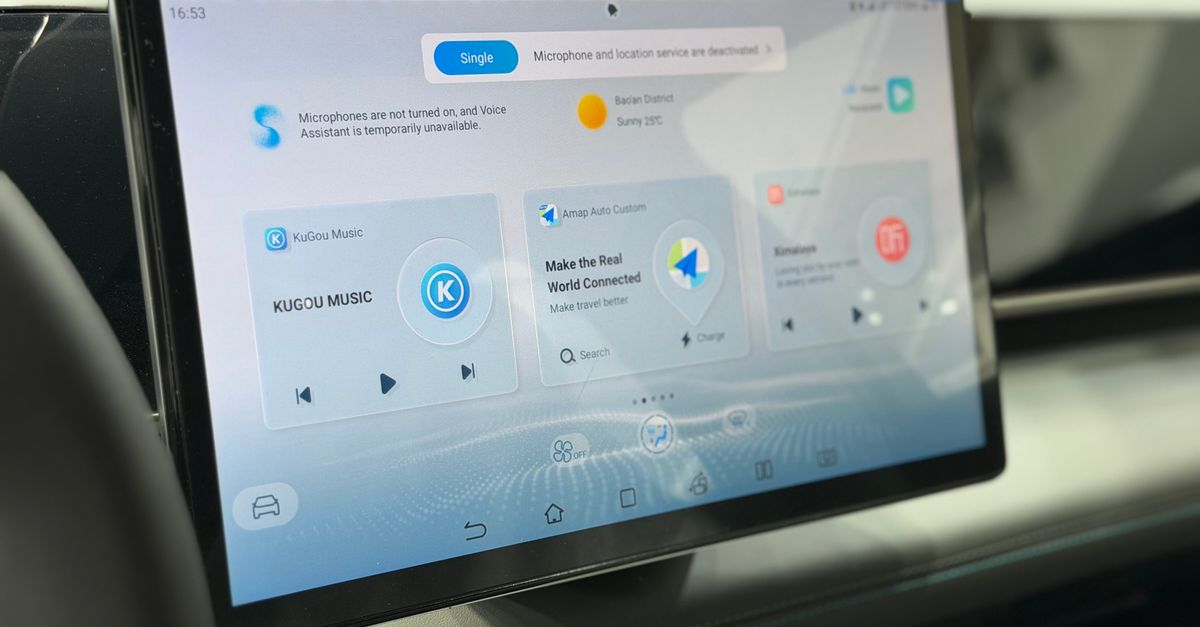
Photo by Sina Rezakhani on Pexels
AI agents land on Windows 11
Microsoft announced AI agents for Windows 11 at its latest Windows and Surface event. The plan pairs hybrid intelligence with free local models. The hybrid approach lets the OS run AI without constantly hitting the cloud. Microsoft pitched the move as a way to cut the expense of cloud‑only inference. Windows 11 will stay the core platform while the agents give it a new, interactive layer. The shift signals that Microsoft sees AI as a day‑to‑day feature, not a future add‑on. Developers will need to think about model packaging as part of ordinary app design. The announcement also hints that Microsoft will keep supporting Windows 11 for the foreseeable future.123
The change matters because most PCs still run on modest hardware. Local models avoid bandwidth bottlenecks for users on limited connections. They also reduce latency for tasks like voice commands or on‑device summarisation. Users who have already upgraded to Windows 11 will see new functionality without a major OS upgrade. The move could pressure competitors to expose similar local‑AI pipelines. It also raises questions about how Microsoft will manage security for user‑provided models.123
Industry observers note that the agentic vision echoes earlier hype about a fully autonomous OS. The reality on Windows 11 feels more incremental. Yet the hybrid model could become a template for other platforms that want AI without a subscription‑heavy cloud stack.24
Tesla trades Full Self‑Driving for Tesla Assisted Driving
Tesla renamed its Full Self‑Driving suite to Tesla Assisted Driving for the European market. The rebrand arrived alongside a statement from Germany’s transport minister. The minister called for Europe‑wide adoption of the renamed software. The name change sidesteps the regulatory baggage attached to the original label.5678
The shift matters because naming influences public perception and regulator comfort. By removing the word “self,” Tesla reduces the implication that the system can operate without driver input. The German minister’s endorsement suggests that the rebrand may smooth the path to broader legal acceptance across the EU. If other countries follow Germany’s lead, Tesla could see a faster rollout of its driver‑assistance features.5678
Critics argue that the underlying technology has not changed. The rename does not guarantee a safety improvement. It merely reframes the product for a market that has been wary of autonomous‑driving claims.56
Grief‑centered automation arrives with LumenUs
LumenUs launched a service that automates paperwork after a loved one dies. Founder Sara Tashakorinia described the experience as “the day your loved one passes away, you also get this honorary badge of a project manager for a project you had no idea about.” The platform walks users through estate forms, death certificates, and benefit claims.
The offering matters because the grief period is already emotionally taxing. Automating repetitive forms removes a logistical hurdle. Users can focus on mourning rather than hunting for the right document. LumenUs fills a niche that traditional funeral services have largely ignored.
The launch reflects a broader trend of SaaS solutions targeting life‑event workflows. Companies are mining moments of high emotional intensity for product opportunities. LumenUs proves that a well‑timed, empathetic tool can turn a painful process into a manageable checklist.
Hardware churn meets AI hype
Intel is reportedly launching new CPUs on old sockets that support DDR4 memory. The move lets existing motherboards receive a performance bump without a full system overhaul. It also extends the life of DDR4 stock that some manufacturers still carry.
Apple’s Mac desktops have become some of the most sought‑after computers this year, driven by surging interest in agentic AI. The lineup includes the Mac Mini, Mac Studio, and iMac. Buyers choose based on screen size, GPU power, and how much local AI they plan to run. The demand shows that developers are willing to pay a premium for machines that can host on‑device models.
Apple is reportedly rebooting its smart‑home ambitions with a new smart display and a suite of accessories at its “Welcome home” event next week. The rumored hardware will integrate tightly with iOS and macOS, offering a unified control hub. If the display supports local AI, it could compete directly with other voice‑first devices that rely on cloud processing.
The convergence of older hardware platforms and new AI workloads creates a strange market dynamic. Consumers can upgrade performance without discarding legacy investments, while manufacturers chase the AI premium. The result is a crowded field where price, performance, and AI capability all vie for attention.
What to watch
Track the rollout timeline for Windows AI agents and see whether Microsoft opens the model marketplace to third‑party developers. Monitor EU regulator responses to Tesla Assisted Driving and note any formal adoption by other member states. Watch LumenUs user metrics after launch to gauge demand for grief‑focused automation. Keep an eye on Intel’s CPU launch dates and the exact socket compatibility list. Finally, watch Apple’s “Welcome home” event for confirmation of the smart display specs and any on‑device AI features that could set a new standard for home hubs.
Footnotes
Related Articles
Pentagon Blames AI Overreliance for Iran School Strike Amid
Pentagon admits AI misuse contributed to a deadly strike. Hacker News highlights security flaws, new AI models, and hardware forecasts.
AI race, data breach, and new browsing tool raise tech tension
OpenAI and Anthropic's AI speed, a CareCloud breach, pricey phone cases, and Gemini Spark's Chrome browsing update illustrate rising tech stakes.
Gemma-4 runs on 2016 Xeon
A blog shows the open‑source Gemma‑4 LLM operating on a 2016 Xeon, sparking debate over hardware versus software in AI deployment.