

Apple HomePad arrives Oct 13; Onvis adds Matter plug


Photo by Polina Tankilevitch on Pexels
Apple will unveil the HomePad on Tuesday, Oct 13, at its Welcome home event. The product has been whispered about for years, and the announcement finally puts a name to the hardware Apple has been teasing.
The event confirmation came from 9to5Mac, which also noted that the HomePad will showcase three features the author has wanted for a long time. Apple has not released the feature list, but the promise of a dedicated home‑control tablet suggests a tighter integration with its existing HomeKit ecosystem. At the same time, Onvis announced a new outdoor smart plug that runs Matter over Thread, offers real‑time energy monitoring, and carries an IP65 rating. The plug works natively with Apple Home without requiring a separate hub, making it a practical addition for anyone planning holiday lighting or garden power.1
HomePad’s place in Apple’s home strategy
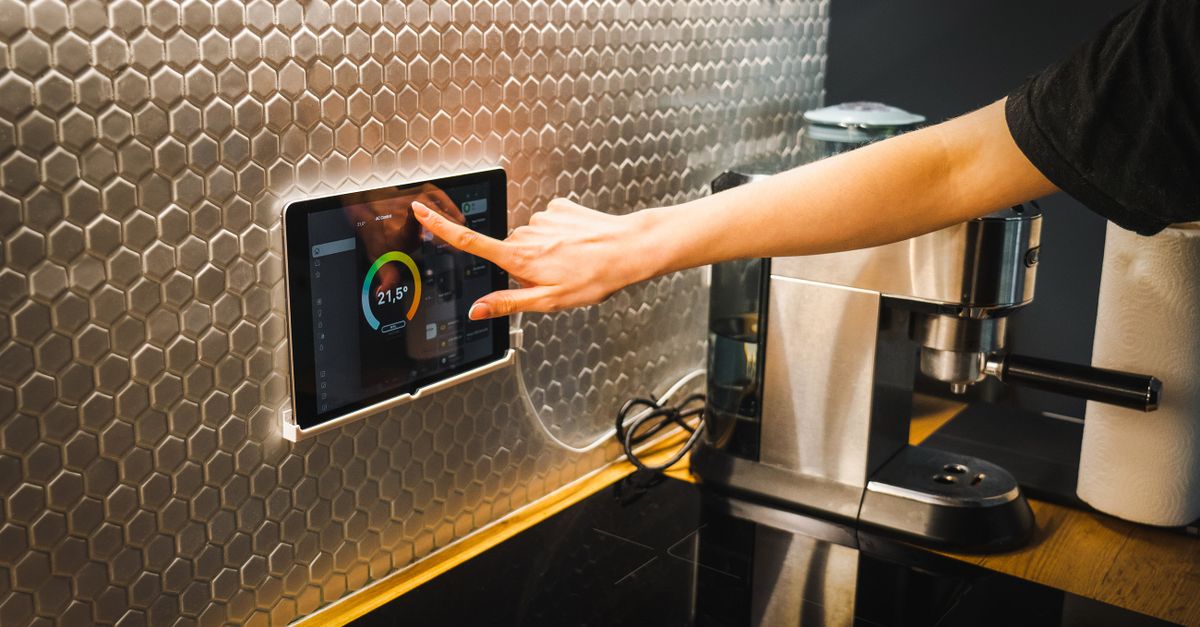
Apple’s HomePad appears to be the missing link between its iPhone‑centric Home app and the broader smart‑home market. By delivering a device that sits on a kitchen counter or a wall shelf, Apple can give users a permanent screen for controlling lights, locks, and thermostats. The move mirrors the company’s earlier push with the HomePod mini, which added Thread support to its speaker line. If the HomePad includes a built‑in Thread radio, it would let Matter‑compatible devices communicate directly, bypassing the need for a bridge.
The three teased features likely address long‑standing complaints: a larger display than the Apple Watch, a dedicated Home app UI, and perhaps an always‑on voice assistant tuned for home commands. Those improvements would make daily interactions feel less like a workaround and more like a purpose‑built experience. For power users who already run HomeKit scenes, a permanent controller could shave seconds off routine tasks.
Onvis’s Matter‑over‑Thread outdoor plug
Onvis’s new plug arrives at a moment when Matter is finally gaining traction across major ecosystems. By supporting Matter over Thread, the device can join a low‑power mesh network that Apple’s HomePod mini and newer iPads already provide. Real‑time energy monitoring adds a layer of insight that most cheap outdoor plugs lack; users can see how much power a holiday string draws the moment they flip the switch.21
The IP65 rating means the plug can survive rain, snow, and dust, a requirement for any genuine outdoor deployment. Because the plug talks directly to Apple Home, there is no need for a separate hub or bridge.1 This simplicity is a win for users who have been frustrated by the extra steps required to link Zig‑Bee or Z‑Wave devices to HomeKit. Onvis’s offering also signals that third‑party manufacturers are finally comfortable building Matter‑first hardware that leans on Apple’s Thread radios.
The broader HomeKit and Matter context
Matter’s launch last year promised a universal language for smart‑home devices, but adoption has been uneven. Apple’s Thread‑enabled devices, such as the HomePod mini and the latest iPad models, act as border routers that let Matter devices join a local mesh. The HomePad could serve as another border router, expanding the mesh’s reach to rooms where a speaker or iPad is not present.
Historically, HomeKit suffered from a limited device catalog because manufacturers had to meet Apple’s strict security and certification requirements. Matter lowers that barrier by standardizing the communication layer, while Thread provides a reliable, low‑latency backbone. Onvis’s plug demonstrates that manufacturers are now willing to ship Matter‑first products that also meet Apple’s IP and privacy standards. If Apple bundles Thread support into the HomePad, the combined effect could be a more cohesive home network that reduces reliance on Wi‑Fi congestion.
What this means for everyday users
For a homeowner who already uses HomeKit scenes for lights and locks, the HomePad promises a single surface to fire those scenes without pulling out a phone. The plug adds a practical way to bring outdoor power into that same scene, allowing a user to turn on a porch light and a holiday string with one tap. Energy monitoring could also surface hidden waste; a user might discover that a decorative fountain draws more power than expected and adjust its schedule.
The real test will be how seamless the experience feels. If Apple delivers a polished UI on the HomePad and the plug integrates without extra configuration steps, the duo could tighten the feedback loop between intent and action. If the setup process remains clunky, the devices risk being relegated to niche hobbyists rather than mainstream households.
What to watch
Keep an eye on the Welcome home keynote for confirmation of the HomePad’s hardware specs, especially whether it includes a Thread radio and a dedicated Home app UI. After the event, monitor Onvis’s firmware updates for any new Matter features or energy‑saving modes. The next major HomeKit software release, slated for later this year, may also add tighter integration with Thread border routers, which could amplify the impact of both the HomePad and the Onvis plug. Tracking user adoption metrics and third‑party accessory announcements will indicate whether Apple’s home‑control ambitions are gaining momentum or stalling.
Footnotes
Related Articles
Apple HomeView adds iPhone widget support while EU launch stalls
HomeView can now show iPhone widgets and may run YouTube or Netflix, but Siri AI’s EU ban delays its rollout in Europe.
Matter expands: Homey, Siram, IKEA push smart home integration
Homey adds Matter 1.5, Siram automates plant watering, and IKEA rolls out 21 new Matter devices, tightening the Apple HomeKit ecosystem.
Google, Apple Tweak Interfaces Amid Upcoming Rebrands
Google and Apple roll out subtle updates across apps and hardware, signaling shifts ahead of major events and rebrands.