

Google teases Fitbit Edge, ships Android beta, expands Googlebook

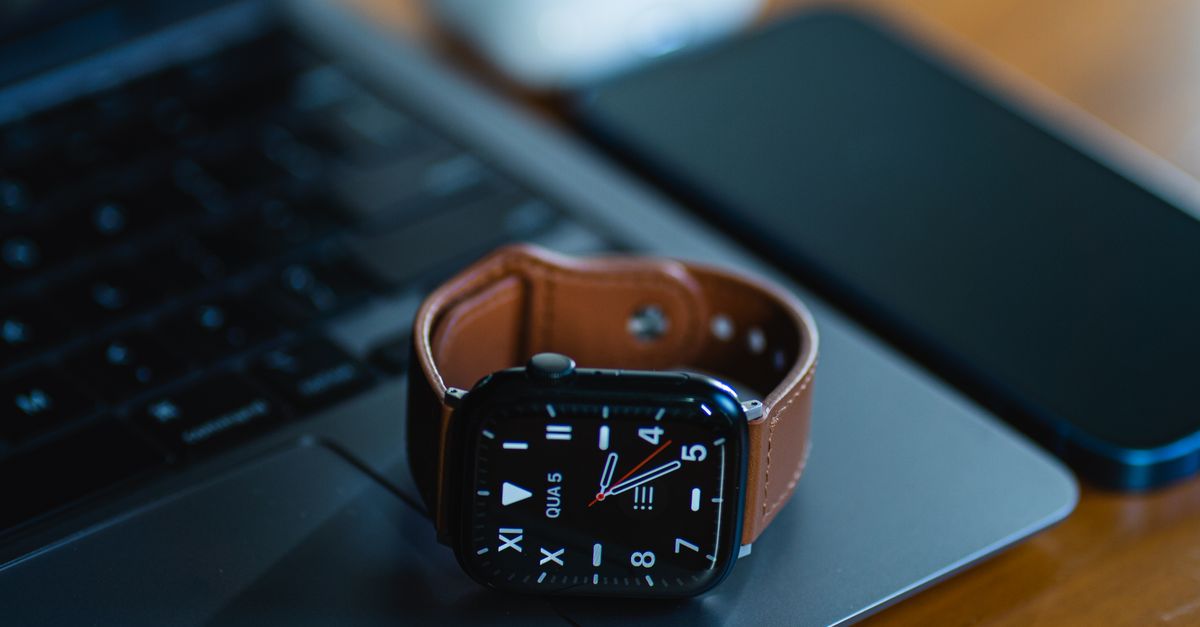
Photo by Douglas Mendes on Pexels
Fitbit Edge arrives with an October launch
Google dropped a teaser for the Fitbit Edge tracker and set the launch for October 12. The brief video showed the device on a wrist, the Edge logo glowing briefly before cutting to the date.123456
The announcement came from Google’s official channels, confirming the product will ship in just a few days. No price or hardware specs were disclosed, but the timing places the Edge squarely in the fall release window that competitors traditionally use to refresh their line‑ups.
For a company that inherited Fitbit’s portfolio in 2021, the Edge is the first new tracker announced under Google’s direct branding. The move signals a renewed push to integrate wearables more tightly with Android services. Google can now bundle health data with its broader ecosystem, from Assistant to Maps, without relying on third‑party apps.
Industry analysts note that the wearables market is crowded with Apple, Samsung, and a slew of niche players. A new Google‑branded tracker must earn a slice of that pie quickly, or it will be relegated to a peripheral status. The October launch gives the Edge a chance to ride the back‑to‑school shopping surge, a period when consumers are more willing to adopt health‑focused gadgets.
Android 17 QPR2 Beta 7 rolls out to Pixel devices
Google made Android 17 QPR2 Beta 7 available to Pixel phones today, expanding the beta pool ahead of the upcoming QPR3 test that began last week. The update lands via the standard OTA channel and includes incremental bug fixes and performance tweaks.7
Beta 7 arrives while the Android team is already gathering data from QPR3 builds. Developers can now test the latest platform changes on real hardware, which helps surface compatibility issues before the final release. The rollout underscores Google’s commitment to a rapid, iterative update cadence for its flagship OS.7
Pixel owners who opt into the beta will notice modest improvements in app launch times and battery reporting. The update also refines the new privacy dashboard introduced earlier in the Android 17 series. By exposing more granular permission data, Google hopes to address lingering concerns about data collection on mobile devices.
The broader Android community watches these QPR cycles closely. Each beta serves as a proving ground for features that may later appear on a wide range of OEM devices. If QPR3 introduces substantial changes, we could see a cascade of updates across the Android ecosystem in the months ahead.
Googlebook’s hidden Glowbar Disco lights the lid
A tucked‑away setting in the Googlebook operating system reveals a feature developers dubbed “Glowbar Disco.” Activating the option turns the laptop’s lid LEDs into a constant light show, replacing the usual blank state.
The app lives in the system settings and can be toggled with a single switch. Once enabled, the LEDs pulse in sync with system activity, creating a visual cue that the machine is awake. The feature is not advertised in Googlebook’s marketing materials, making it feel like an Easter egg for power users.
While the Glowbar Disco has no functional benefit, it demonstrates the flexibility of Android’s hardware abstraction layer on a laptop form factor. Developers can repurpose existing LED arrays for custom feedback, opening the door to more creative uses such as notification‑driven lighting or ambient mood lighting.
Critics might argue that the effect is a gimmick, but the underlying capability hints at a future where laptops can offer richer tactile and visual interactions without additional hardware. The discovery also reinforces Google’s strategy of treating the laptop as an extension of its mobile platform.
Logitech extends Logi Options+ to Googlebook, adds Magic Pointer support
Logitech released a version of its Logi Options+ app for Googlebook, bringing keyboard and wireless mouse configuration to the Android‑based laptop. The update adds support for the company’s Magic Pointer, a feature that lets users control the cursor with hand gestures.
The Logi Options+ integration means users can adjust button assignments, DPI settings, and lighting profiles directly from the Googlebook UI. Previously, Logitech’s peripheral suite was limited to Windows and macOS, leaving Android laptop owners without a native configuration tool.
By supporting the Magic Pointer, Logitech pushes the envelope of non‑touch input on a laptop that already runs Android. The gesture‑based cursor control could appeal to developers who prefer a more fluid workflow, especially when switching between touch and traditional mouse input.
The partnership also signals Logitech’s confidence in the Googlebook platform. As more peripherals gain native support, the laptop becomes a more viable alternative to conventional PCs for power users who value a unified Android experience.
The broader push to unify Google hardware under Android
These announcements illustrate Google’s long‑term strategy to bind its hardware portfolio together with a single operating system. From the Fitbit Edge to the Googlebook laptop, each product now runs on an Android core, simplifying software updates and developer tooling.
Historically, Google’s hardware efforts have been fragmented. Early Pixel phones ran a clean Android build, while the original Chromebook line relied on Chrome OS, and Fitbit devices operated on a proprietary OS. Consolidating under Android reduces the engineering overhead of maintaining multiple platforms.
The move also gives Google a tighter feedback loop. Data from wearables, phones, and laptops can be aggregated to improve services like health tracking, voice assistants, and contextual notifications. However, the approach raises privacy concerns, as a single ecosystem can collect more comprehensive user profiles.
Competitors watch these developments closely. Apple’s tightly integrated hardware‑software stack has set a high bar for user experience, and Microsoft’s Surface line continues to blend Windows with its own peripherals. Google’s attempt to create a cohesive Android‑first hardware suite could reshape how developers target multiple device categories.
What to watch next
The Fitbit Edge will hit stores on October 12, and early reviews will reveal whether the tracker can compete on price and features. Keep an eye on the next Android 17 QPR3 beta rollout; any major API changes could ripple through the broader Android device market. Monitor community reactions to the Glowbar Disco and Logitech’s Magic Pointer on Googlebook, as they may inspire third‑party apps that exploit the laptop’s LED and gesture capabilities. Together, these signals will indicate how far Google can push a unified Android experience across wearables, phones, and laptops.
Footnotes
Related Articles
Google pushes privacy, hardware mix
Google tightens Chrome privacy, adds Samsung to its Store, expands web‑app installs in Chrome 155, and rolls out Android Auto 18.0, reshaping user control and ecosystem balance.
Android 17 rollout bumps into Samsung, Wallet redesign
Google's Android 17 push faces Samsung incompatibility while rolling out Wallet UI changes, Pixel Buds firmware, and an offline AI note‑taking app for Mac.
Google’s new features clash with a wave of app malware
Google rolled out Motion Assist and Shorts tweaks while security researchers uncovered hundreds of malicious Android apps and Chrome extensions, exposing flaws in Google’s review process.