

Midterms, Redwoods, Flip Phones and Car Data Clash


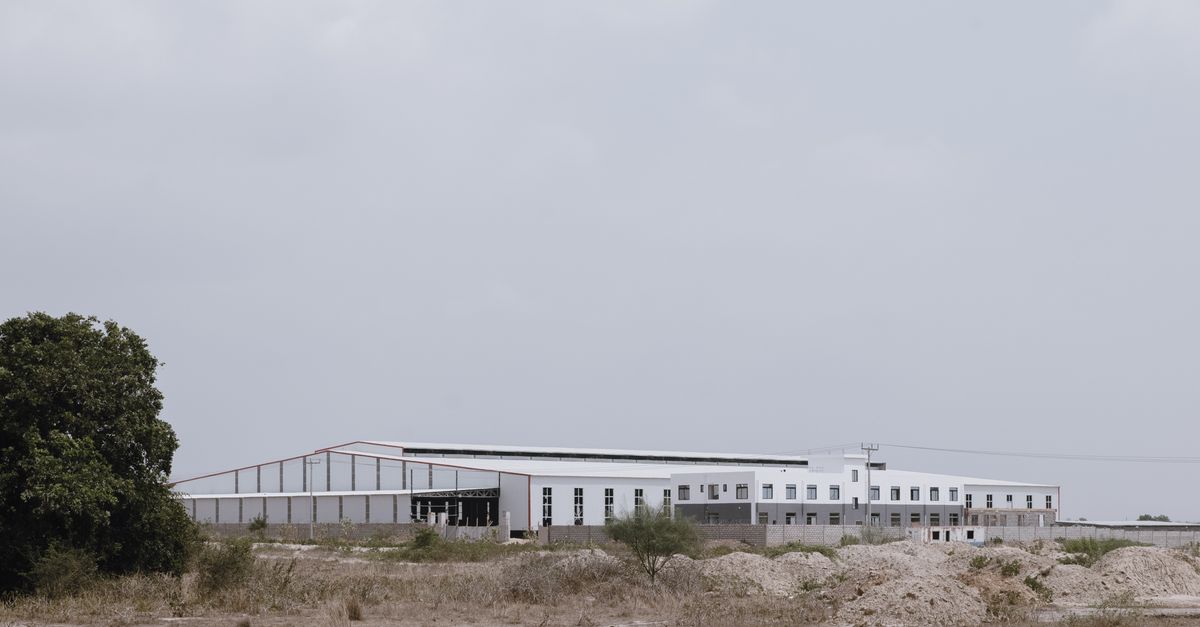
Photo by Mustafa ezz on Pexels
Data Centers Face Political Heat in Midterms
Candidates from the Senate to governors’ mansions are racing to be the most anti‑data‑center. The tactic has turned data centers into a wedge issue in races across the United States.
WIRED reports that the anti‑data‑center stance has become a litmus test for credibility on climate and land‑use policy. Candidates promise tighter zoning, higher fees, or outright bans on new facilities. The promises are concrete: they cite specific counties where new farms of servers have sparked traffic jams and water‑use disputes. Voters in swing districts hear the same line: “We will stop the data‑center boom that threatens our communities.”
The political calculus is simple. Data centers consume megawatts of power and draw water for cooling. In states where renewable targets are already tight, a new megawatt can tip the balance. Campaign ads now feature aerial shots of sprawling server farms juxtaposed with family farms. The rhetoric is aggressive, not tentative. If a candidate can claim to have stopped a data‑center project, the headline reads “victory for the people,” even when the project was only in planning.
Redwood Forests Show Climate Stress
A new study of California’s tallest and most iconic redwoods finds the trees are suffering a form of heatstroke. Researchers observed that the trees slow down photosynthesis when ambient temperatures climb.
The study, highlighted by WIRED, measured gas exchange in the canopy and linked the slowdown to a rise in leaf temperature that exceeds the species’ historic fog‑cooled range. Redwoods evolved under a cool, foggy climate, and the fog now retreats earlier in the day. When the canopy dries, the trees lose a key cooling mechanism.
The result is a measurable dip in carbon uptake during heat spikes. The authors caution that prolonged warming could erode the forests’ role as carbon sinks. The findings add a data point to a broader climate‑impact narrative that includes energy‑intensive data centers. Both stories illustrate how infrastructure and nature collide when heat becomes a limiting factor.
Japan’s Flip Phone Fade
Japan’s once‑celebrated flip phones are disappearing from store shelves. Engadget notes that the flip‑phone era, which outlasted its U.S. counterpart, is finally ending.
The shift stems from carrier upgrades to 5G and consumer demand for larger touchscreens. While flip phones once offered a tactile shortcut for texting, modern apps require high‑resolution displays and fast data streams. Japanese users, who prized compact devices, are now swapping to slab smartphones that promise smoother video calls and integrated payment services.
The transition is not just a fashion change; it reflects a broader acceptance of data‑heavy services. The devices that once limited data consumption now sit beside apps that stream 4K video and feed real‑time location data to cloud services. The cultural moment underscores how device form factors can lag behind, but eventually bow to network and software pressures.
Cars Are Becoming Data Factories
A joint study by Northeastern University and Consumer Reports reveals that many new cars share driver data with third‑party companies. The research tracked telemetry, location, and usage patterns that automakers transmit to advertising partners.
The study found that data flows enable advertisers to build in‑depth profiles of consumers without explicit consent. Sensors that monitor fuel efficiency, seat‑belt usage, and climate‑control settings also generate a digital fingerprint. When that fingerprint is sold, marketers can infer commuting routes, shopping habits, and even lifestyle preferences.
Automakers defend the practice as a way to fund connected‑car features, but the report highlights a privacy gap. Consumers receive a connected experience at the cost of a data trail that extends beyond the vehicle. The finding dovetails with the political battles over data centers: both illustrate how infrastructure—whether physical or digital—creates hidden externalities that voters and regulators must confront.
What to Watch
The midterm cycle will reveal whether anti‑data‑center rhetoric translates into policy. Track state legislation that tightens zoning for server farms and any federal bills that tie data‑center permits to renewable‑energy benchmarks. In California, monitor forest‑management plans that incorporate the new redwood photosynthesis data, especially any funding shifts toward fog‑restoration projects. In Japan, watch carrier roll‑outs of 5G‑only handsets, which will cement the flip‑phone exit. Finally, follow the Federal Trade Commission’s next steps on automotive data privacy after the Northeastern‑Consumer Reports study lands on Capitol Hill. Each of these threads will shape how technology, environment, and privacy intersect in the months ahead.
Related Articles

Google's Orbital Chip Highlights the 1,800‑Launch Hurdle
Google's first advanced chip in orbit underscores a 1,800‑launch target for Starship, while geothermal strides and Venus dust research reshape Earth‑space tech.
AirTrunk pours $30 B into 5 GW AI data centers in India
Australian operator AirTrunk commits $30 B to build 5 GW of AI‑focused data centre capacity in India, raising questions about supply, energy and competition.
Wind‑Solar Overtakes Gas as Data Centers Battle Water Use
April 2026 saw renewables outpace gas globally while hyperscalers confront growing water‑scarcity criticism, exposing a sustainability gap.