

When Tech Hype Collides with Everyday Reality

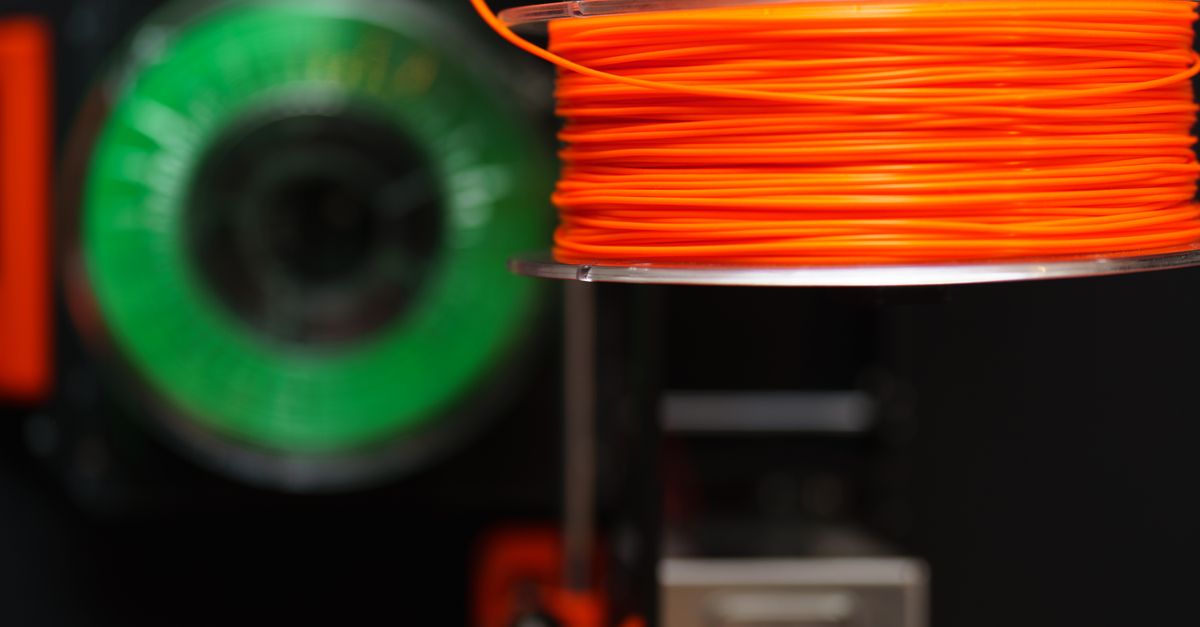
Photo by Jakub Zerdzicki on Pexels
A marathon documentary that drags its subject
Alex Gibney’s new four‑hour documentary on Elon Musk tries to cover the billionaire’s many ventures, but the runtime feels excessive. Ars Technica calls the film “overlong” and notes that it offers little new insight for readers already familiar with Musk’s public persona.
The length forces viewers to sit through repetitive anecdotes. The film splits into two distinct tones, as if two directors were at the helm. One half feels like a conventional biography; the other wanders into speculative territory. The result is a uneven experience that tests the patience of anyone who can spare a half‑day for a single title.
Bits, bytes, and the confusion that costs engineers time
A recent Engadget explainer reminds us that megabits per second (Mbps) and megabytes per second (MB/s) are not interchangeable. One megabyte equals eight megabits, a conversion that still trips up engineers and consumers alike.
The article stresses that network specifications often list speeds in Mbps, while storage devices advertise MB/s. Mixing the two leads to over‑promised performance and under‑delivered experience. When a cloud backup claims 100 Mbps, the actual file transfer rate tops out near 12.5 MB/s. That gap can derail project timelines that rely on precise throughput calculations.
3D printers in the bedroom: a safety checklist you didn’t ask for
Engadget’s safety guide points out that desktop 3D printers have become as common as coffee makers, but their placement still matters. The article warns against locating printers in confined spaces like a bedroom or a small office without ventilation.
Print filaments can emit ultrafine particles and volatile organic compounds. A well‑ventilated area or an enclosure with a filtered exhaust mitigates health risks. The guide also suggests keeping printers away from flammable materials and using fire‑resistant mats. Ignoring these basics turns a hobby into a fire hazard.
Photoshop clones that promise magic but deliver noise
A Hacker News post titled “Attack of the Vibe‑coded Photoshop clones” sparked a brief flare of interest, gathering 108 points and 132 comments. The piece critiques a wave of AI‑driven image editors that claim to replicate Photoshop’s power with a single click.
The article argues that many of these tools rely on shallow models that produce artifacts under complex edits. Users quickly discover that the promised “one‑click perfection” often requires manual cleanup. The community response highlights a growing fatigue with hype‑driven releases that prioritize buzz over robust performance.
Remote work surveillance reaches a new low
Inc. reported a case where a remote employee was asked to submit 160 webcam photos a day. The employee refused and was promptly terminated. The story illustrates how some employers push surveillance to absurd levels under the guise of security.
Requiring a photo every few minutes creates a hostile environment and raises legal questions about privacy and labor rights. The incident adds to a mounting chorus of criticism against intrusive monitoring tools that treat workers as data points rather than professionals.
What to watch next
The pattern emerging from these stories is clear: hype and overreach often outpace practical constraints. Keep an eye on how streaming platforms handle ultra‑long documentaries, whether network providers standardize clear unit labeling, and if regulatory bodies step in on workplace surveillance. The next wave of AI‑image tools will be judged not by their marketing slogans but by how they perform under real‑world editing tasks. Monitoring these developments will reveal whether the tech industry can align ambition with reality.
Updates
Related Articles
Apple’s Fall Blitz Mixes New Gear, TV Marathons
Apple drops a four‑week TV premiere marathon, launches Watch Ultra 4, Series 12 and AirPods 5, and faces app and listening concerns with the upcoming iPhone Duo.

Ember Mug, HTC Glasses, UGREEN Battery
Four hardware updates tighten control, privacy, cooling, and accessory reliability for everyday tech users.
AI's Frontiers and Backlashes: Robotics, Visual Models, App Rules
Robotics stalls in a Lego phase, visual AI models outpace rivals, and Apple clamps down on nonconsensual AI images amid rising misuse.