

Nathan Fielder’s Holmes Doc Pulls Back the Curtain on a Cult

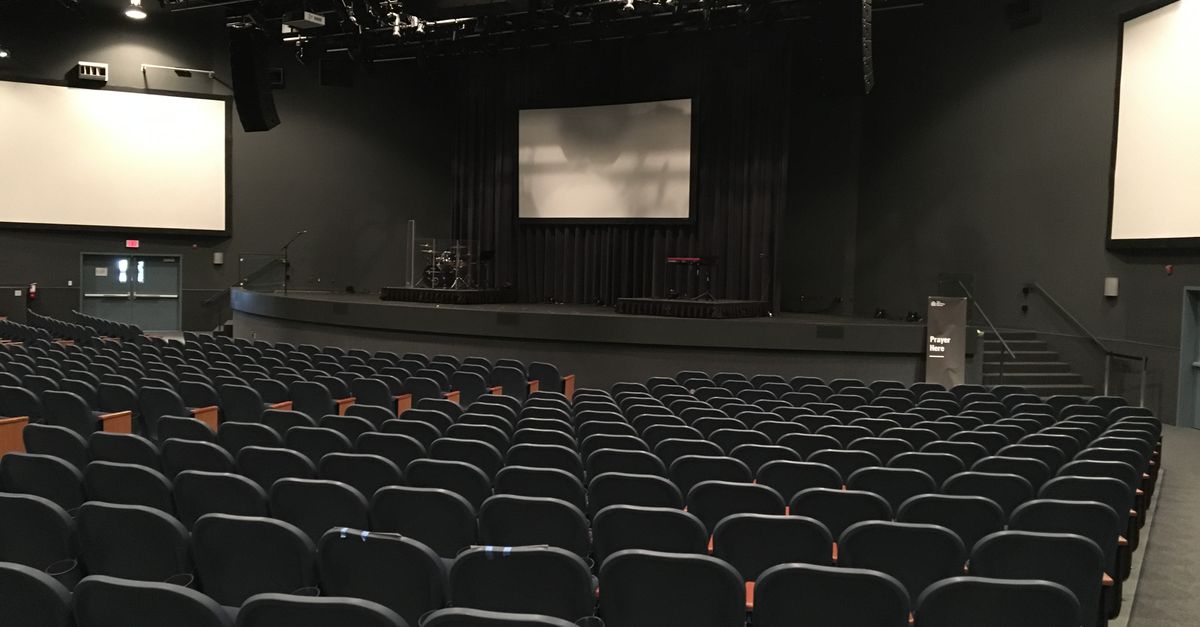
Photo by Grace Kusta Nasralla on Pexels
A secret screening that felt like a heist
The world premiere of “You Can See Everything” unfolded in a locked‑down theater at the Telluride Film Festival. Festival director Julie Huntsinger warned the audience to lock phones in pouches and warned guards with night‑vision goggles. The precaution was meant to keep the film’s identity hidden until the lights came up. The surprise slot was a Sunday evening slot that the festival kept under wraps until the crowd was already seated.
The film is co‑directed by Nathan Fielder and documentary maker Lance Oppenheim. It runs just under three hours and will be released by A24 in October. The Telluride crowd got a first look at a work that was filmed over three years in secret. Fielder, known for his deadpan reality‑bending shows, introduced the film with a self‑deprecating apology for any disappointment.
The premise: radical transparency in a prison house
The documentary opens 34 days before Elizabeth Holmes reports to federal prison. It follows Holmes, her partner Billy Evans, and their two young children as they agree to what they call “radical transparency.” The crew is given unprecedented access to their home. The cameras capture everyday moments that the family hopes will rewrite the public narrative.
Holmes and Evans present their home as a laboratory of honesty. They invite the filmmakers to watch their routines, hoping to convince viewers that the media has misunderstood them. The film’s title, “You Can See Everything,” reflects that promise. The premise is simple: let the audience watch everything, then judge.
Fielder’s documentary instincts clash with the Holmes mythos
Fielder’s previous work, from “Nathan for You” to “The Rehearsal,” thrives on staged absurdity. In this film, his style collides with the seriousness of a convicted fraudster’s final days. The result is a tone that feels both voyeuristic and uncomfortable. Where Alex Gibney’s “The Inventor” relied on archival footage and former employees, Fielder leans on the present‑day intimacy of the Holmes household.
The contrast is stark. Gibney’s documentary showed Holmes speaking at promotional events, dancing to MC Hammer, and reciting a story about her uncle’s death. Fielder’s film shows her cooking breakfast, playing with her kids, and answering the camera’s questions about the “radical transparency” experiment. The juxtaposition forces viewers to decide whether the new footage humanizes a fraud or simply adds another layer of performance.
What the film gets right – and where it falls short
The documentary succeeds at exposing the mechanics of Holmes’s self‑presentation. It shows how she and Evans curate every frame, from lighting to dialogue. It also reveals the logistical effort required to keep the project secret for three years. The film’s length allows moments of genuine tenderness to sit beside the underlying tension of an upcoming prison sentence.
However, the film does not break new ground on the technical failures of Theranos. The Edison device, the promise of a kitchen‑counter blood analyzer, and the 2015 MC Hammer‑backed party are left to the background. Viewers familiar with the scandal will find few new revelations about the company’s engineering shortcuts. The documentary’s focus on the present household means the historical context remains thin.
The broader cultural moment: documentaries as redemption arcs
Holmes has already been the subject of two high‑profile documentaries. Gibney’s HBO film framed her as a charismatic con artist whose ambition outpaced reality. Fielder’s entry adds a layer of personal intimacy that feels like a redemption‑seeking experiment. The two films together illustrate how the documentary form can swing between exposé and empathy.
The split in reception mirrors the split in public opinion. Some critics praise the film for its willingness to let Holmes speak unfiltered. Others argue that giving a convicted fraudster a platform risks normalizing her narrative. The debate highlights the tension between journalistic duty and artistic curiosity.
What to watch next
The October theatrical rollout by A24 will determine whether the film reaches a wider audience beyond festival insiders. Track box‑office numbers and streaming rights negotiations for clues about audience appetite for another Holmes story. Also watch for any legal pushback from Holmes’s legal team, as the documentary’s unprecedented access could become a point of contention in her ongoing appeals. The next public statement from Holmes or Evans about the film will be a litmus test for how much the “radical transparency” experiment actually shifted perception.
Related Articles
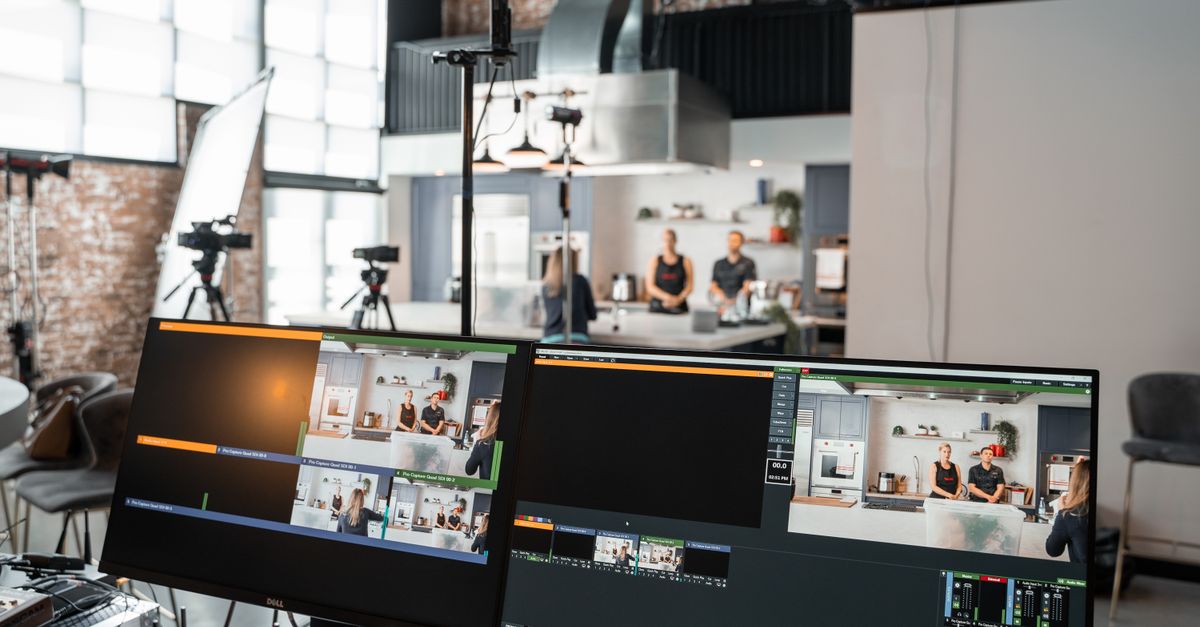
Telluride Premiere Shows Unprecedented Holmes Access
Nathan Fielder and Lance Oppenheim’s secret documentary offers rare, unfiltered footage of Elizabeth Holmes just weeks before her prison sentence.

Apple Expands Wallet Keys, Moves iPhone Duo Dates
Apple widens CarKey support to GM brands, advances iPhone Duo deliveries, and teases a touchscreen MacBook, reshaping its ecosystem.
Wyze scale COROS smartwatch and AppaMed shift health tech
Wyze adds a visible display and Google Health sync to its BodyScan Plus scale, COROS releases a 19‑day battery Pace 4 for runners, and AppaMed offers a free web‑based medication manager.