

UK regulator forces Apple to open iPhone NFC amid antitrust push

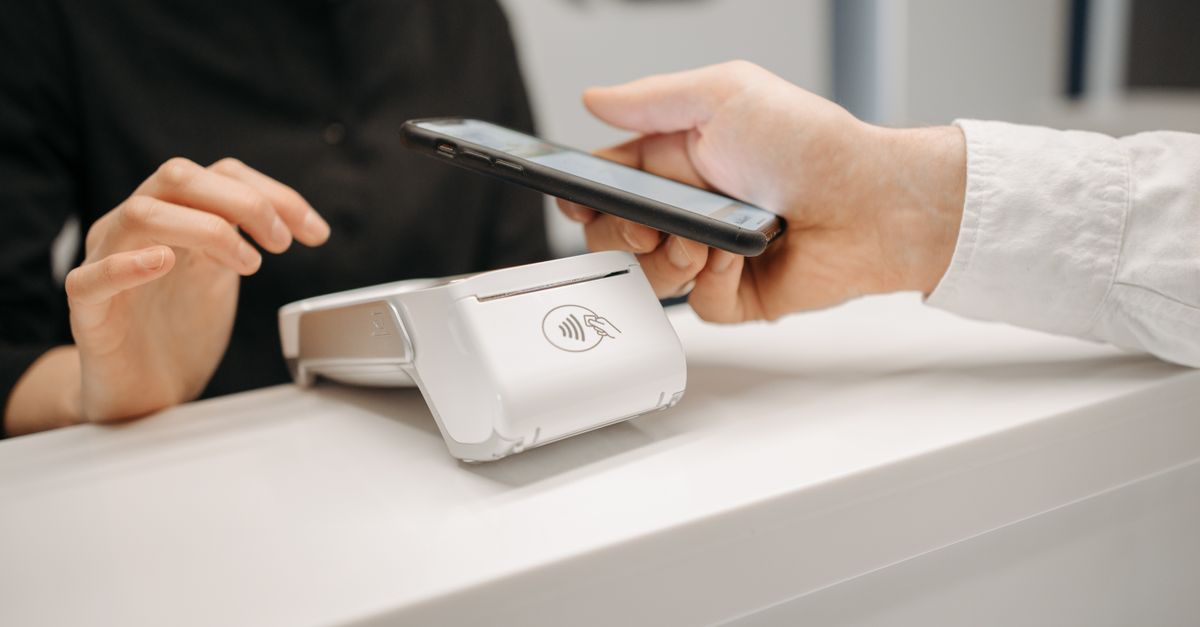
Photo by Pavel Danilyuk on Pexels
The regulator’s demand
The UK’s Competition and Markets Authority has asked Apple to open the iPhone’s NFC chip to third‑party payment apps. Engadget reported that the regulator views Apple’s closed NFC stack as a near‑monopoly on contactless smartphone payments. Apple currently restricts NFC use to its own Apple Pay service, blocking rivals from offering comparable experiences. The CMA’s request forces Apple to expose the hardware interface, a move that could reshape the mobile payments market.
If Apple complies, any Android‑style open NFC model could appear on iOS. The regulator argues that competition would drive lower fees and more innovation for merchants and consumers. Apple’s refusal would likely trigger a formal investigation and possible remedies, such as mandated API access or fines. The demand arrives as contactless payments account for a growing share of retail transactions in the UK.
Analysts see the request as a test of Apple’s willingness to cede control over a core revenue stream. Apple has defended its closed ecosystem as a security measure, but the CMA cites evidence that the restriction limits consumer choice. The outcome will signal whether European antitrust bodies can compel tech giants to share low‑level hardware functions.
Apple’s tightening grip on hardware
Apple is limiting iPhone Duo purchases to two units per customer worldwide, according to Engadget. The cap applies across all Apple Store channels and appears designed to manage scarce inventory rather than expand market access. By throttling supply, Apple retains leverage over a device that relies on the same NFC hardware the CMA wants opened.
The Duo, marketed as a dual‑screen iPhone, showcases Apple’s foldable ambitions while still using the standard iPhone NFC module. Restricting units forces buyers into a lottery‑style acquisition, reinforcing Apple’s control over who can experiment with new form factors. The policy also cushions profit margins by preventing bulk discounting.
When the same company that blocks third‑party NFC apps also caps device distribution, the regulatory pressure intensifies. Critics argue that Apple’s dual strategy—protecting its payment stack and hoarding hardware—creates a feedback loop that entrenches its market dominance. The CMA’s NFC demand directly challenges that loop.
Samsung’s counter‑move
Samsung announced plans to launch at least six foldable phones next year, a response to Apple’s iPhone Duo, 9to5Mac reported. The aggressive lineup aims to capture consumers interested in large, flexible displays without the scarcity Apple imposes. Samsung’s devices will ship with open NFC support, allowing any payment app to run natively.
By offering a broader portfolio, Samsung hopes to undercut Apple’s premium foldable narrative. The open NFC model could attract merchants and developers who view Apple’s closed system as a barrier. Samsung’s strategy signals that competitors are ready to exploit any regulatory win against Apple.
The rollout also tests market appetite for multiple foldable options. If Samsung’s phones gain traction, Apple may face pressure to loosen its NFC restrictions or risk losing a segment of power users who value flexibility over brand loyalty.
Legal pressures mounting
Following a $5.7 billion patent‑infringement verdict, Taction Technology is seeking additional damages, interest, and ongoing royalties on iPhone and Apple Watch sales through 2035, 9to5Mac noted. The lawsuit targets Apple’s hardware design patents, adding a long‑term financial burden to the company’s balance sheet.
Taction’s demand for royalties on future sales compounds Apple’s existing legal exposure. The prospect of recurring payments could make Apple more cautious about defending its closed ecosystems, including NFC. Ongoing litigation also distracts senior leadership from product roadmaps.
Combined with the CMA’s NFC request, the royalty claim illustrates a broader pattern: regulators and patentees are pressing Apple on multiple fronts. The cumulative effect may force Apple to renegotiate how it monetizes core hardware functions.
What to watch
The CMA has set a deadline for Apple to respond to the NFC request, though the exact date was not disclosed. Watch for a formal decision that could mandate API access or impose financial penalties. Apple’s next public statement will reveal whether it plans a limited‑access solution or a full open‑source API.
Track changes to the iPhone Duo purchasing policy. If Apple lifts the two‑unit cap, it may be an attempt to appease regulators while still controlling distribution. Conversely, a stricter cap could signal defiance.
Monitor Samsung’s foldable launches throughout the next year. Early sales figures and developer adoption of open NFC on those devices will indicate whether the market is shifting away from Apple’s closed model. Finally, keep an eye on any court rulings related to Taction’s royalty claim, as a favorable outcome for the patent holder could further pressure Apple to open its hardware interfaces.
Related Articles
Apple battles Brazil antitrust, Irish tax bill, and layoffs
Apple confronts a new Brazilian antitrust suit, a $17 billion Irish tax payment, and 200+ job cuts while rolling out a refreshed Watch and new TV content.

Apple faces relief pledge, chip ban, and OS rollouts
Apple announced wildfire aid, confronts US Senate chip ban, UK payment rule push, and rolls out iOS 27 Maps and macOS 27 features.

Court Makes Apple Exec a Custodian in Musk Antitrust Fight
U.S. court orders Apple SVP Craig Federighi to turn over documents in Elon Musk's xAI lawsuit, while denying Tim Cook and other discovery requests.