

Why Your Wi‑Fi 7 Router May Be Slowing You Down

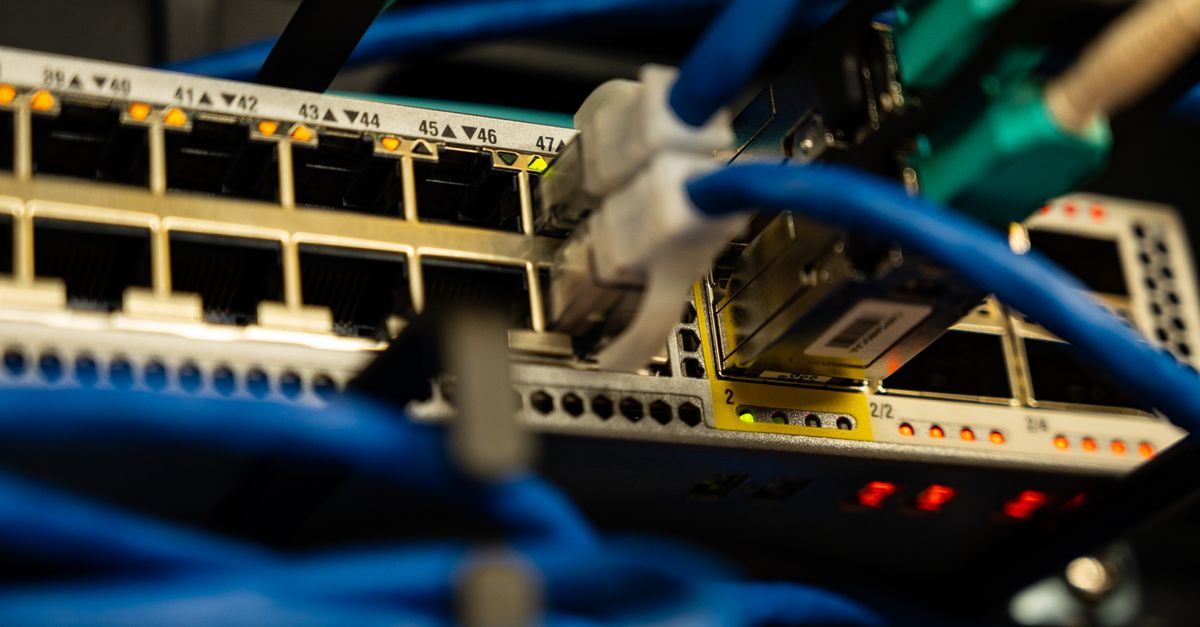
Photo by Brett Sayles on Pexels
Placement matters more than specs
A router tucked in a corner will sap speed. Engadget warns that the eyesore‑free placement still hurts performance. The radio needs line‑of‑sight to devices. Walls and furniture block the 2.4 GHz and 6 GHz bands. A router on a shelf behind a TV will lose more than a few percent.
The loss shows up in real‑world tests. A 2023 802.11ac matrix measured single‑stream throughput on a variety of routers. Results varied widely even when the hardware was identical. The data proves that environment trumps raw numbers. Users who spend $300 on a Wi‑Fi 7 box should first clear a path for the signal.
Multi‑Link Operation is the hidden performance lever
Wi‑Fi 7 adds Multi‑Link Operation, or MLO. Engadget explains that MLO lets a device split traffic across multiple bands and channels. The router can send a packet on 5 GHz while receiving on 6 GHz. This reduces latency and boosts aggregate throughput.
Enabling MLO is not automatic. Some firmware ships with it off by default. When turned on, a compatible client can see a 20‑30 % uplift in real‑world speeds. The uplift disappears if the client does not support MLO. The mismatch creates a false impression that the router is underperforming.
Beyond the box: hacking the radio
A community project repurposes the Gemtek W1700K Wi‑Fi 7 router as a 320 Msps software‑defined radio. The hardware uses a MediaTek MT7996 radio and an Airoha AN7581 SoC. The radio streams raw 14‑bit IQ samples over a 10 GbE link to a Linux host. The host renders a live spectrum and waterfall in a browser.
The hack requires a custom ROM patch, a 3.3 V USB serial adapter, and a 10 GbE NIC such as an X710 with a copper SFP+ module. The firmware boots the radio in about two seconds and then streams at 9.75 Gbit/s. The project is open‑source under MIT, GPL‑2.0, and BSD‑3‑Clause licenses. It shows that Wi‑Fi 7 silicon can double as a high‑speed SDR platform.
New hardware pushes the envelope
Banana Pi’s BPI‑R4 board brings Wi‑Fi 7 to the OpenWrt world. The board ships with MediaTek’s Filogic 880 platform, a quad‑core Arm Cortex‑A73 running at 1.8 GHz. The chipset claims penta‑band speeds up to 36 Gbps. Two configurations exist: one with dual SFP+ cages, another with a single SFP+ and a 2.5 Gbps RJ45 WAN port.
All four RJ45 ports and the WAN port support 1 Gbps. The board also offers 13 antennas, DFS support, and optional Wi‑Fi 7 NIC modules via mini‑PCIe slots. Power‑over‑Ethernet and a 26‑pin GPIO header broaden use cases to IoT and robotics. The R4 replaces the R3’s Wi‑Fi 6 module with a true Wi‑Fi 7 NIC, promising faster streaming and gaming.
What to watch
The next firmware releases for both the Gemtek W1700K and the Banana Pi R4 will expose more of the MT7996 and Filogic 880 radios. Watch for vendor updates that enable MLO by default and expose raw IQ streams. A stable open‑source driver could turn high‑end routers into cheap spectrum analyzers. If manufacturers lock down those features, the community will likely fork the firmware again. The real test will be whether end users can translate raw bandwidth into reliable home‑network performance.
Related Articles

Wi‑Fi 8 shifts focus from raw speed to reliability
Wi‑Fi 8 abandons the speed race, targeting steadier connections and forcing network tools to adapt.

Legacy games thrive as consoles get a second life
Neverwinter Nights still draws thousands, a canceled Assassin's Creed leaks, and old PlayStations find new purpose.

Ember Mug, HTC Glasses, UGREEN Battery
Four hardware updates tighten control, privacy, cooling, and accessory reliability for everyday tech users.