

Underground Servers, Water Rockets

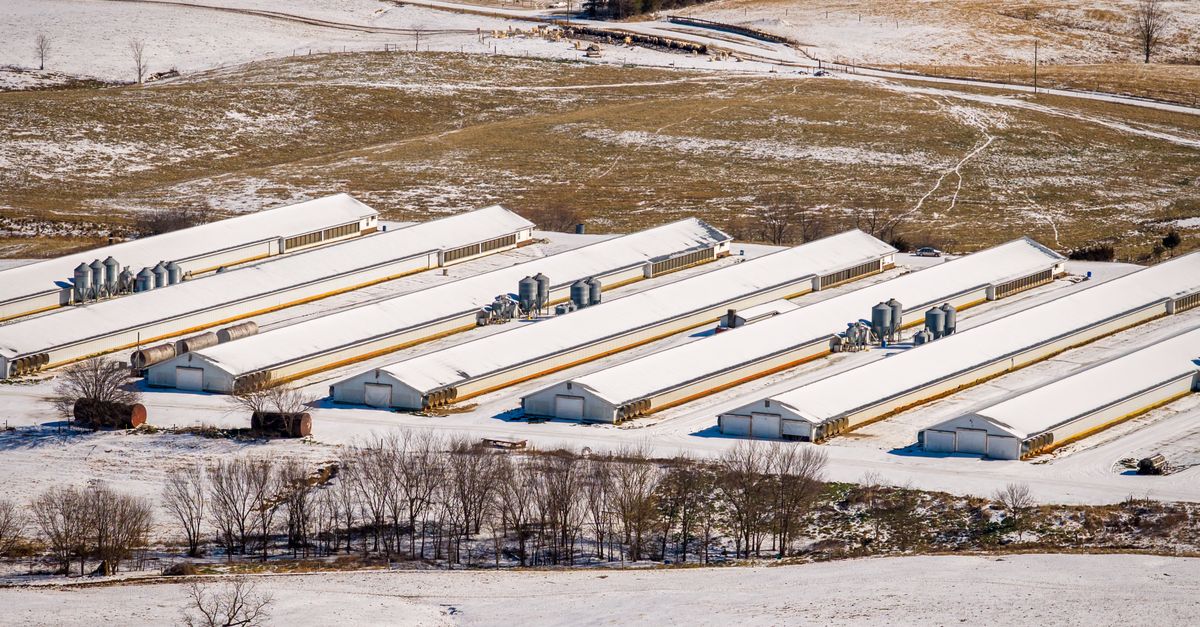
Photo by Mark Stebnicki on Pexels
Russia pushes underground data centers after Ukrainian drone strikes
Ukrainian drones knocked out a cluster of Russian data centers in early June, exposing the fragility of the country’s digital backbone. The damage forced Moscow to order a rapid shift to subterranean facilities, according to reporting by Ars Technica.1234
The plan calls for converting abandoned mines and deep‑bore tunnels into climate‑controlled server farms. Engineers will lay fiber links through reinforced shafts, shielding equipment from future aerial attacks. The move echoes Cold‑War bunker projects that housed military command posts, but the scale is digital rather than nuclear. Russia’s cyber‑war strategy now hinges on hiding compute power beneath the ground, a tactic that could set a precedent for other nations facing asymmetric threats.125
Critics argue that the rushed construction will strain logistics and increase power consumption in regions already grappling with grid instability. If the underground sites fail to meet latency requirements, Russian firms may lose market share in cloud services to Western rivals. The gamble highlights a broader tension: securing data through physical concealment versus investing in resilient, distributed architectures.125
A startup bets on water as universal rocket propellant
A private space company announced that its next launch vehicle will rely on liquid water as the primary propellant, a claim detailed by Ars Technica. The firm argues that water’s ubiquity and low cost could bypass the supply chain bottlenecks that have plagued traditional cryogenic fuels.67
The approach involves electrolyzing water on‑board to produce hydrogen and oxygen, then feeding the gases into a staged engine. The concept is not brand‑new—NASA experimented with water‑derived thrust during the Apollo era—but the company plans to integrate the system into a reusable launch platform. If successful, the technology could reduce launch costs and simplify ground infrastructure, especially for remote launch sites.678
Skeptics point out that the extra mass of electrolyzers and storage tanks may offset the fuel savings, and that the system’s thrust‑to‑weight ratio remains unproven at orbital velocities. The company’s engineers acknowledge the challenges but cite recent advances in high‑efficiency electrolyzers as a turning point. The industry will be watching the upcoming test flight for any sign that water can move beyond a laboratory curiosity.67
Smithsonian’s “At Home in Space” reopens the National Air and Space Museum
The Smithsonian’s National Air and Space Museum welcomed visitors back this week with the opening of the “At Home in Space” exhibition, as reported by Ars Technica. The show occupies the museum’s renovated west wing and showcases artifacts ranging from the Apollo command module to modern satellite constellations.
Renovation work, halted by the pandemic, included upgrades to climate control, interactive displays, and a new auditorium for live briefings. Curators emphasized that the exhibition not only celebrates past achievements but also frames current challenges such as orbital debris and commercial space traffic management. By juxtaposing historic rockets with contemporary small‑satellite launchers, the museum invites visitors to consider how quickly the frontier has shifted from government‑led missions to a crowded commercial arena.
Cultural analysts note that the museum’s resurgence mirrors a broader public appetite for space literacy amid rising private sector activity. The exhibit’s timing—just as the water‑propellant startup prepares its test flight—creates a narrative bridge between historic propulsion breakthroughs and modern attempts to democratize access to space.
Third human death from bird flu underscores lingering zoonotic risk
A third person has died from an avian influenza virus that has recently jumped from wild birds to livestock, according to Ars Technica. Health officials describe the threat as “still low,” but the fatality underscores the virus’s ability to cross species barriers.
The patient, whose identity remains confidential, was infected after close contact with a farm where the virus was detected in chickens. Epidemiologists warn that continued spread among domesticated animals raises the probability of further human cases, especially in regions with limited biosecurity measures. The World Health Organization has urged nations to intensify surveillance and vaccination of high‑risk livestock.
While the overall case count remains modest, the incident revives memories of the 2004 H5N1 outbreak that prompted global pandemic preparedness plans. Unlike that episode, the current strain appears less lethal, yet its persistence in animal reservoirs suggests that complacency could be costly. Policy makers now face a decision: allocate more resources to veterinary monitoring or focus on broader public health infrastructure.
What to watch
Russia’s underground data center rollout will be tested by the next wave of Ukrainian drone operations; any breach could expose the limits of physical concealment. The water‑propellant startup’s test flight, scheduled for early 2027, will reveal whether the chemistry scales to orbital demands. The Smithsonian’s exhibition will likely draw increased attendance as space tourism gains momentum, providing a cultural barometer for public interest. Finally, health agencies will monitor avian flu reports from farms in the coming months, with the next confirmed human case poised to influence funding for zoonotic research. Each of these threads converges on a single question: how will societies balance rapid technological ambition with the resilient infrastructure needed to sustain it?
Footnotes
Related Articles

Airbnb gala, solar backup, Vulcan launch, space tourism returns
Airbnb’s nonprofit gala sparked online bewilderment, a solar plant proved it can run on stored heat, ULA’s Vulcan readies six boosters, and space tourism rolls onto an Arizona runway.

Tesla’s Roadster revamp aims to fund Model 3 woes
Tesla unveiled a $200k Roadster with a $250k Founder Series, but the move masks shaky Model 3 production and cash burn.
Space Timelines Slip While Code Complexity Grows
NASA’s Artemis III rehearsal, Rocket Lab’s Neutron delay, and the tangled async/await landscape reveal how progress in space and software is often slower than hype.