

Apple HomeView launches with security patch amid ecosystem push

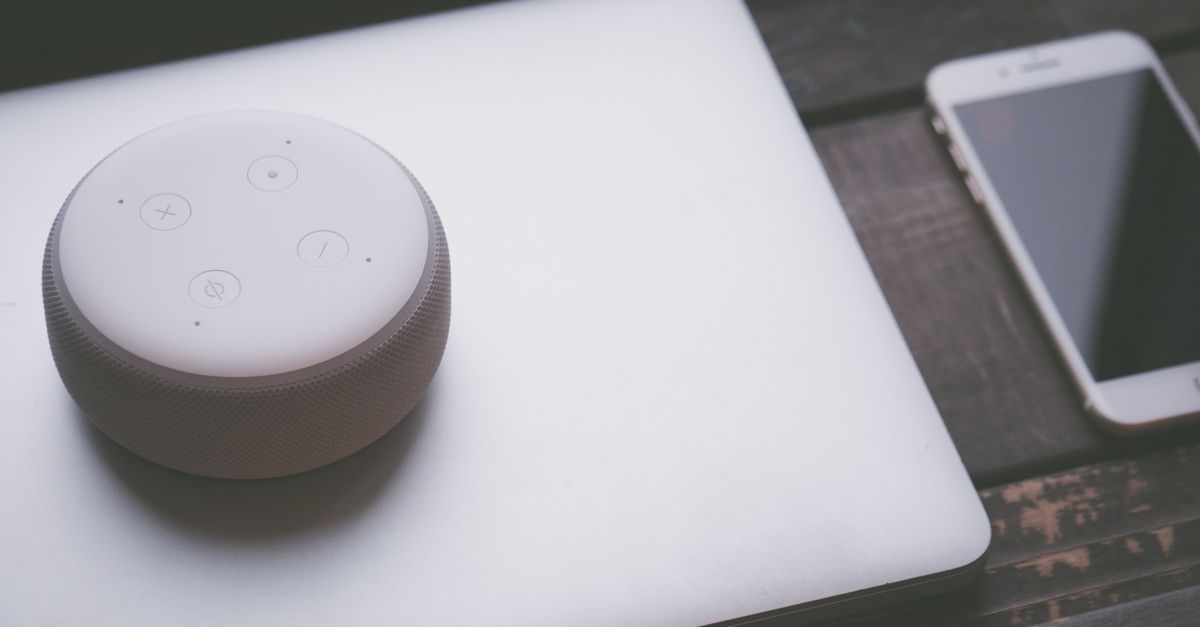
Photo by Jessica Lewis 🦋 thepaintedsquare on Pexels
HomeView ships tomorrow, security patch lands today
Apple is sending HomeView units to customers starting tomorrow, and the company has already pushed a software update that patches nine security flaws. The update arrived today, before any device has left the box. Apple disclosed the vulnerabilities and said the fix restores the expected privacy baseline for the new hub.
The timing feels deliberate. By sealing the security gap ahead of launch, Apple avoids the classic “launch‑day bug” narrative that haunts many hardware rollouts. It also signals that Apple treats HomeView as a core part of its privacy promise, not an afterthought. For early adopters, the patch means the first interaction with HomeView will be a clean one, assuming the device runs the latest firmware out of the gate.
HomeView leans on the iPhone for identity and control
Apple designed HomeView to be an extension of the iPhone, not a standalone controller. Engadget notes that the hub’s personal and communal functions converge on a single place – the user’s phone. When you set up HomeView, your iPhone supplies the authentication token, contacts, and preferences that the hub then broadcasts to other devices.
The reliance on the iPhone simplifies onboarding but also creates a single point of failure. If your phone is compromised, the hub inherits that risk. Apple’s security update addresses nine vulnerabilities across the HomeView firmware, but it does not touch the iPhone‑centric authentication flow. Users who prefer a fully independent smart‑home hub will find the design limiting.
In daily use, the integration feels natural. Voice commands issued to HomeView are routed through the iPhone’s Siri engine, and notifications appear on the phone as they would from any other HomeKit accessory. The experience is smooth, but the trade‑off is clear: HomeView is as secure as the iPhone it trusts.
Apple’s broader iOS 27 push: Maps, CarPlay, and AI on TV
Apple isn’t launching HomeView in a vacuum. iOS 27, released earlier this year, added a feature called Local Lists to Maps, delivering weekly updates that surface nearby points of interest. The addition feels modest, but it reinforces Apple’s strategy of keeping users inside its map ecosystem for local discovery.
iOS 27.2, which arrived last month, brought two CarPlay improvements. The updates streamline messaging interactions and tighten integration with Apple TV, reducing latency when switching between navigation and media playback. Those tweaks matter for HomeView owners who use CarPlay as a secondary hub while the iPhone handles the primary smart‑home duties.
Meanwhile, tvOS 27.2.1 is set to roll out Siri AI to older Apple TV 4K models. The move extends AI‑driven voice control beyond the latest hardware, echoing the same philosophy behind HomeView’s iPhone dependence. By unifying voice, navigation, and home automation under a common software stack, Apple deepens the lock‑in effect across its product line.
Market pressure: high‑end phones push price expectations
While Apple tightens its ecosystem, competitors are pushing the envelope on hardware specs and price. Engadget’s review of Motorola’s Signature 27 highlights a phone with a tandem OLED display, a massive 7,000 mAh battery, and a $1,600 price tag. The device positions itself as a “beast” for power users who demand all‑day endurance and top‑tier visual fidelity.
Motorola’s pricing illustrates a broader trend: flagship devices are no longer bound to the $1,000‑plus ceiling that once defined premium. Apple’s HomeView, by contrast, has not disclosed a price, but the lack of a clear cost advantage could make the hub feel pricey when juxtaposed with a $1,600 phone that offers tangible specs.
The market dynamic forces Apple to justify HomeView’s value through software integration rather than raw hardware specs. If the hub fails to deliver a compelling experience beyond what an iPhone can already do, the premium price (once announced) may deter the very power users who gravitate toward devices like the Signature 27.
What to watch
The next week will reveal whether HomeView’s launch narrative holds up. Track the first‑batch performance reports for any lingering bugs, and watch Apple’s next software release for additional security patches. Keep an eye on iOS 28 rumors – a deeper HomeKit overhaul could either cement HomeView’s role or expose its reliance on the iPhone as a weakness. Finally, monitor competitor flagship pricing; if high‑end phones continue to climb, Apple may need to adjust HomeView’s positioning to stay competitive.
Related Articles
Apple HomeView Gains Third‑Party AI Chatbots in iOS 27.3
iOS 27.3 beta shows HomeView will run ChatGPT and Claude, tightening Apple’s AI push and boosting Apple One Premier.
iPhone Duo apps, MacBook price plunge, CarPlay heat
Apple's foldable iPhone Duo fuels quirky dual‑screen apps, the MacBook Pro Max hits a record low price, and CarPlay reveals hidden thermal strain.
Apple HomeView adds iPhone widget support while EU launch stalls
HomeView can now show iPhone widgets and may run YouTube or Netflix, but Siri AI’s EU ban delays its rollout in Europe.