

Diesel Surge, SEC Quorum Shift

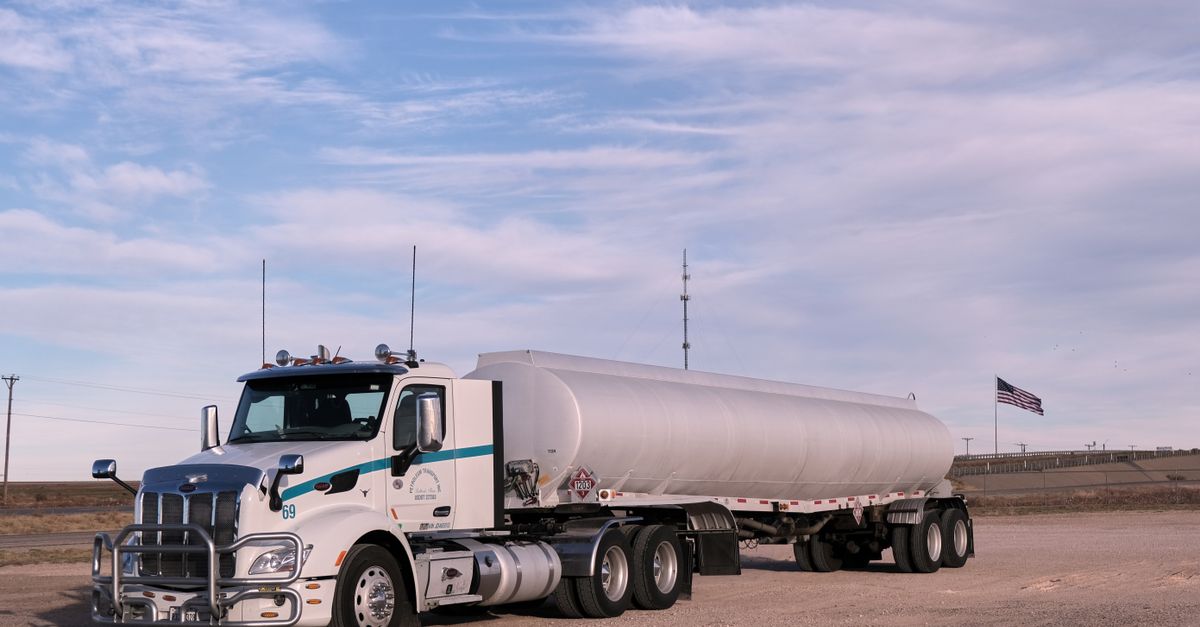
Diesel prices spiked enough to push sixteen trucking firms into bankruptcy within a month.
The price surge, which topped $5 per gallon in early June, left carriers with margins that could not cover fuel costs, according to The Drive’s analysis. The report notes that the bankruptcies occurred across the United States, from regional haulers in the Midwest to long‑haul operators on the West Coast. Drivers reported delayed loads, while shippers scrambled for alternative capacity, exposing how a single commodity price can destabilize an entire logistics chain.
The fallout is more than a balance‑sheet headache. Smaller carriers, already squeezed by driver shortages, now face a talent exodus as crews jump to firms that can guarantee consistent pay. Larger carriers, meanwhile, are forced to renegotiate contracts and absorb higher freight rates, a cost that ultimately lands on manufacturers and consumers. The episode underscores the fragility of a sector that runs on thin margins and volatile fuel markets.
What makes this episode different from past diesel spikes is the speed of collapse. Sixteen firms folded in just thirty days, a timeline the industry rarely sees. Analysts point to a confluence of factors: the lingering effects of pandemic‑induced capacity constraints, a tighter regulatory environment on emissions, and a lack of hedging tools for midsize operators. The lesson is clear—fuel risk management is no longer optional for anyone with a fleet larger than a handful of trucks.
The SEC announced a procedural overhaul that now allows a single director to constitute a quorum for board meetings.
The change, detailed in a filing with the Financial Times, removes the long‑standing requirement that at least two directors be present to make decisions. The rule applies to all SEC committees, meaning a lone member can now vote on matters ranging from rulemaking to enforcement actions. Proponents argue the shift speeds up decision‑making in an era of rapid market evolution.
Critics warn the new quorum rule could concentrate power in the hands of a few individuals, reducing the diversity of viewpoints that traditionally guard against regulatory capture. Investor groups have already filed comments, citing concerns that a single voice may lack the checks that a broader board provides. The debate echoes earlier governance fights over board composition and the balance between efficiency and accountability.
The practical impact will be felt in the next round of SEC rule proposals, where the agency often relies on committee votes to advance technical standards. With a single‑person quorum, the SEC can theoretically push through proposals faster, but the risk of oversight lapses grows. Market participants should watch how the agency calibrates speed against thoroughness in the coming months.
Norway is moving toward a partial ban on smart glasses that can record video or display augmented reality content.
The proposal, reported by Barron’s, targets devices that combine camera functionality with heads‑up displays, citing privacy concerns in public spaces and workplaces. Legislators argue that unregulated use of such glasses could enable covert recording, eroding personal privacy and raising security questions for critical infrastructure.
Opponents, including technology firms and civil‑liberties groups, contend that a blanket ban would stifle innovation and limit legitimate uses such as hands‑free navigation for field technicians. The debate mirrors earlier European discussions about facial‑recognition tech, where regulators grapple with balancing safety, privacy, and economic growth.
If enacted, the ban would likely carve out exceptions for professional contexts where employers can enforce usage policies. Enforcement mechanisms remain unclear, but the government has hinted at fines for non‑compliant manufacturers and users. The move places Norway among a growing list of nations testing the limits of wearable technology regulation.
These three stories illustrate a broader trend: regulators and markets are tightening the feedback loop between technology, cost, and policy.
The diesel crisis shows how commodity volatility can trigger rapid business failures, prompting calls for better fuel‑hedging tools and perhaps even government subsidies for essential logistics. Meanwhile, the SEC’s quorum shift reflects a desire for agility in a fast‑moving financial landscape, even at the expense of traditional governance safeguards. Norway’s smart‑glass restrictions reveal a growing appetite for pre‑emptive privacy safeguards as wearable tech matures.
Together, they signal that companies can no longer rely on legacy operating models. Logistics firms must embed fuel‑risk analytics into daily routing decisions. Financial regulators need to balance speed with transparency to maintain market confidence. And hardware makers must design products with privacy‑by‑design principles to survive emerging bans.
What to watch: diesel spot prices for the next quarter, the SEC’s first vote taken under the single‑person quorum rule, and Norway’s parliamentary vote on the smart‑glass amendment slated for early 2027. Each data point will reveal whether speed, cost, or privacy will dominate the next wave of industry adaptation.
Updates
- 2026-10-11 — PVX-001: open-source Covid-19 vaccine starts Phase 1 trial (source)
Related Articles

Porsche EV, Projector, Smart Glasses: Tech Shifts in 2026
A look at Porsche's 630‑hp electric Macan, a cinema‑challenging projector, lingering privacy worries in Ray‑Ban Meta glasses, Meta's AI‑focused TOS, and the latest Windows and Android laptops.

AI's Frontiers and Backlashes: Robotics, Visual Models, App Rules
Robotics stalls in a Lego phase, visual AI models outpace rivals, and Apple clamps down on nonconsensual AI images amid rising misuse.

Batteries Beat Gas Turbines as Data Centers Cut Power Costs
Data centers are swapping gas turbines for cheaper batteries, while Amazon drops NDAs and Google adds 1 GW of demand response.