

iPhone Duo cameras wow Pencil support lands Apple Music rebrands

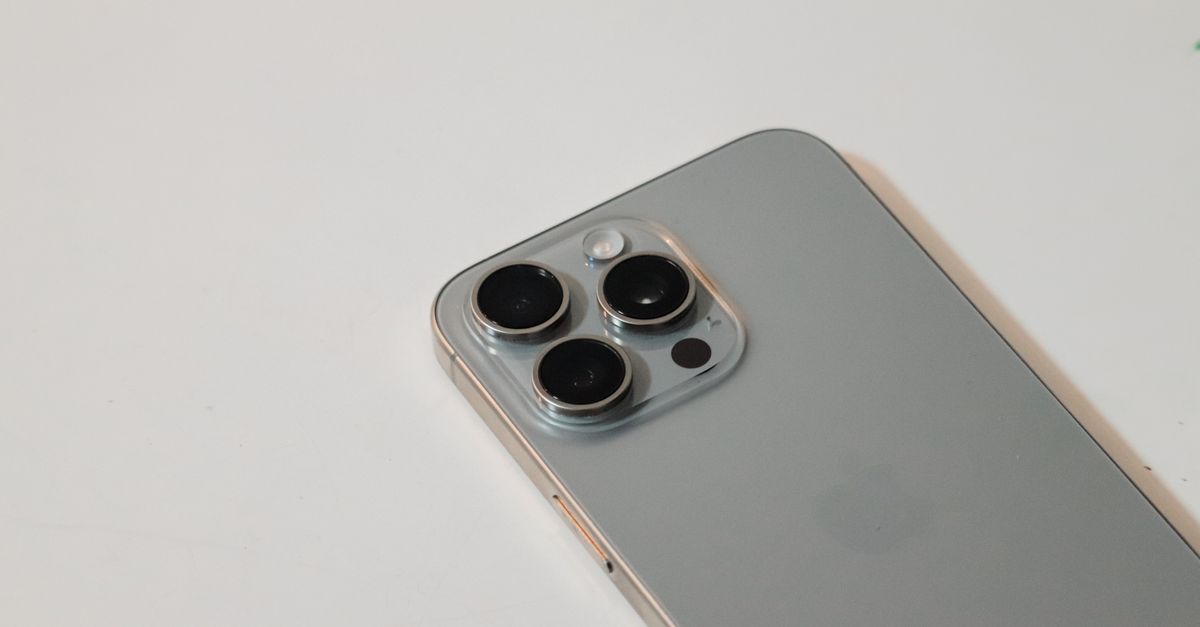
Photo by thiago japyassu on Pexels
iPhone Duo cameras earn a photographer’s nod
Tyler Stalman’s latest video shows the iPhone Duo’s dual‑lens system handling street‑level lighting the way a seasoned pro expects. The footage proves the hardware can capture sharp detail without the heavy‑hand processing that often blurs fine texture.
Stalman, whose work appears in major editorial spreads, walks through a day‑long shoot, swapping between the wide‑angle and telephoto lenses. He notes the phone’s ability to maintain color fidelity when moving from sunlight to indoor fluorescents, something many reviewers gloss over. The 9to5Mac review that accompanied the launch highlighted the same strengths, but Stalman’s hands‑on perspective adds a layer of practical validation that matters to creators who actually edit on‑the‑go.
The consensus among early adopters is that the Duo’s camera stack finally feels less like a novelty and more like a tool you can rely on for client work. That shift matters because the iPhone market has been saturated with incremental sensor upgrades; a genuine workflow win is rare.
Apple Pencil support arrives with iOS 27.2
Apple announced that iOS 27.2 will enable Apple Pencil input on the iPhone Duo next week. The update lands earlier than the roadmap hinted at in the initial launch notes, a surprise that caught several developers off‑guard.
The rollout means the Duo can now accept pressure‑sensitive strokes for note‑taking, sketching, and markup directly on the screen. For power users who already pair an iPad Pro with a Pencil, the added flexibility reduces the need to switch devices mid‑task. The timing also aligns with the upcoming release of several third‑party drawing apps that have been waiting for native Pencil support on iPhone.
Critics point out that the Pencil’s latency on the Duo still trails the iPad’s sub‑10 ms performance, but the improvement is enough to make the experience usable for quick annotations. Early testers report that the Pencil feels stable, and the iPhone’s larger display compared with older models gives a more comfortable drawing surface.
Apple Music’s sound‑driven redesign
Apple Music launched a visual overhaul today, swapping the familiar glyph for a logo the company describes as “made by sound.” The new design replaces the previous flat icon with a waveform‑inspired shape that animates when users play a track.
The rebrand is more than a cosmetic tweak; it signals Apple’s intent to tighten the audio‑first narrative across its services. In a short video, Apple explains that the logo’s shape was generated by analyzing the frequency spectrum of a curated playlist, then converting that data into a vector graphic. The move is a clever way to embed the brand’s core product—music—into its visual identity.
While the change is subtle, it does affect how the app appears on the home screen and within the iOS widget gallery. Users who rely on accessibility settings notice that the new icon retains high contrast, a point Apple highlighted in its rollout notes. The redesign does not alter any functional aspects of the service, but it does give the platform a fresher look that matches its ongoing push for exclusive releases and podcast integration.
Macs still trust revoked certificates, despite Apple’s block
Apple recently revoked eight web security certificates that scammers could have used to spoof legitimate sites. The certificates were removed from Apple’s trust store, preventing new installations from accepting them.
However, a cryptography engineer warned that macOS still trusts those certificates if they were previously cached, because the operating system does not perform real‑time revocation checks. In practice, a Mac that has already connected to a compromised site may continue to trust the malicious certificate until the user clears the cache or the system is manually refreshed.
The gap leaves a sizable portion of the Mac user base exposed to phishing attacks that rely on certificate spoofing. Apple’s decision to block the certificates is a step forward, but the lingering trust issue underscores a broader problem: macOS’s revocation infrastructure is outdated compared with iOS, which does perform timely checks. Security‑focused enterprises may need to deploy additional monitoring tools until Apple patches the revocation pathway.
What to watch next
The next week will reveal whether the iPhone Duo’s Pencil integration lives up to the hype in real‑world workflows, especially as third‑party apps roll out updates to leverage pressure data. Apple’s design team will likely release more visual assets for Apple Music in the coming months, testing whether the sound‑derived logo resonates with users beyond novelty. Finally, keep an eye on macOS updates that address certificate revocation; a patch that forces real‑time checks could close the lingering vulnerability that security researchers flagged this week.
Related Articles
Apple's OLED MacBook Pro, AT&T iPhone Fix, and DarkSword Threat
Apple's next MacBook Pro will push OLED notebook shipments, iPhone 18 Pro Max gets AT&T carrier update on iOS 27.2 beta, and a new DarkSword iPhone spyware variant emerges.
Apple’s $2,000 iPhone Duo sells out before 2027
Apple’s first folding iPhone launched at $2,000, immediately sold out and left most buyers waiting until 2027, while iOS 27.2 and HomePod updates add modest software polish.
Apple adds $5 monthly fee for iPhone Handoff on T‑Mobile
Apple bundles iPhone Handoff with iOS 27 but charges T‑Mobile users $5 a month, sparking debate over continuity costs and carrier lock‑in.