

AI breathes new life into a classic Nokia phone

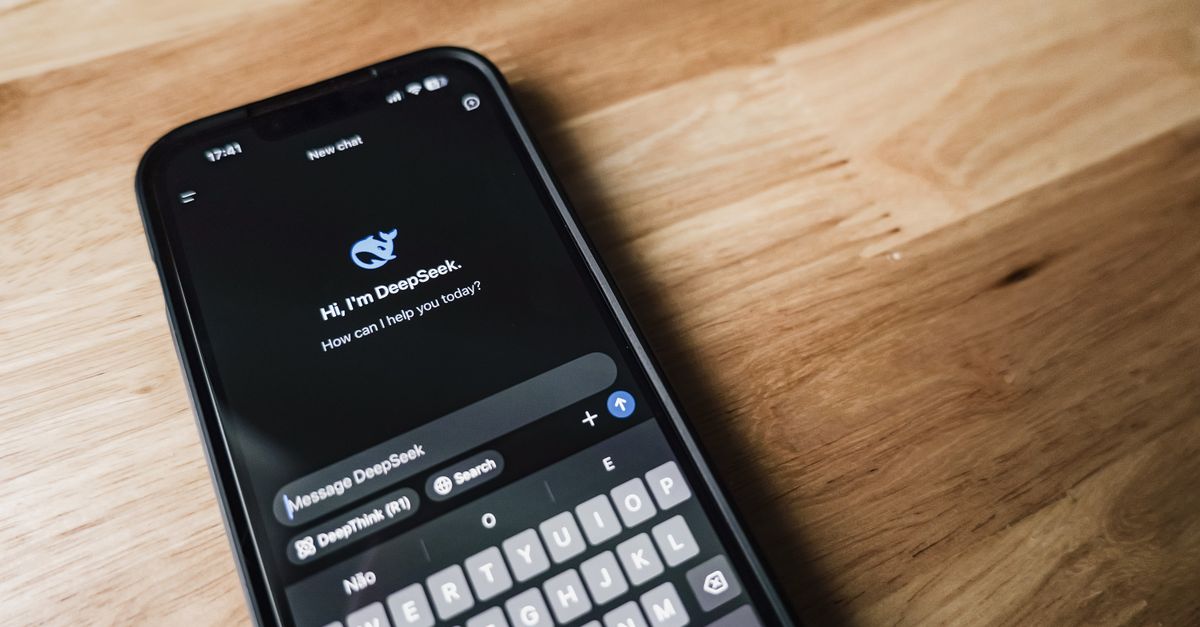
Photo by Airam Dato-on on Pexels
The Upgrade
Engadget reported that a hobbyist team has added an on‑device AI assistant to an old Nokia handset. The story calls the phone the “GOAT of dumb phones” and says the upgrade gives it a new lease on life.
The article does not claim the phone can run modern apps. It simply notes that the AI layer can answer basic queries without reaching out to the cloud. The project runs on the phone’s original processor, trading speed for locality.
How It Runs on Legacy Hardware
Running a language model on a device that predates smartphones is a technical stretch. The Survival LLM project, described on Hacker News, shows that a stripped‑down LLM can operate on a personal computer with no external API calls. The Nokia hack follows a similar approach: it swaps the stock firmware for a custom build that embeds a tiny inference engine.
The custom firmware is compiled for the phone’s 32‑bit CPU and limited RAM. It uses quantized weights to fit inside the device’s flash storage. No external server is contacted, so the assistant works offline. This mirrors the design choices of Survival LLM, which prioritizes privacy and resilience.
Edge AI in the Wild
Edge‑focused models are popping up across the tech ecosystem. Liquid AI announced LFM3, a multimodal model that can run on modest GPUs. The announcement, also shared on Hacker News, emphasizes “every modality for specialized intelligence.”
At the same time, police departments have begun deploying AI that flags drivers for “suspicious” behavior, according to a Gizmodo report. Those systems run on municipal servers but still illustrate how AI moves from data‑center to field.
Amazon recently gutted its internal AI division after a string of under‑performing projects, as reported on Futurism. The retreat underscores how fragile large‑scale AI investments can be, especially when the technology does not translate to product revenue.
Open Questions and Risks
Running an LLM on a 20‑year‑old phone raises legal and safety concerns. Anthropic’s Claude model was recently found to have been trained on illegally obtained Stanford professors’ books, a controversy reported by the Stanford Daily. That case shows how data provenance can bite even well‑funded labs.
The Nokia hack inherits the same provenance problem: the model’s training data are not disclosed. If the assistant reproduces copyrighted text, liability could follow the hobbyist group. Moreover, the phone’s limited safety checks mean a malformed query could crash the device.
Performance is another open question. The phone’s CPU cannot handle large context windows, so the assistant likely truncates conversations. Users may experience abrupt cut‑offs, a trade‑off that the original project accepts in exchange for offline operation.
What to Watch
Watch for a follow‑up release from the developers. If they publish the firmware publicly, the community will test its stability and legal compliance. Also monitor regulatory discussions about AI on legacy hardware, especially any guidance from consumer‑protection agencies. The next data point—whether the phone’s AI can handle real‑world queries without breaking—will determine if this experiment stays a novelty or sparks a broader retro‑AI movement.
Related Articles
Rivian’s AI Bet and 1Password’s Credential Shield Highlight
Rivian acquires Third Dimension, 1Password rolls out AI login agents, and Canva opens its image model as AI tools reshape hardware and software markets.
AI agents, renamed driver aid, and grief tech reshape tech use
Microsoft adds AI agents to Windows, Tesla rebrands its driver assistance in Europe, and LumenUs automates grief paperwork, highlighting a shift toward pragmatic AI.
AI funding, hardware, and safety clash in 2024
New capital, custom AI laptops, and safety tools reshape the AI ecosystem as firms race to monetize and regulate the technology.